Farm Europe: Danish plan to cut agri production 'a major mistake'

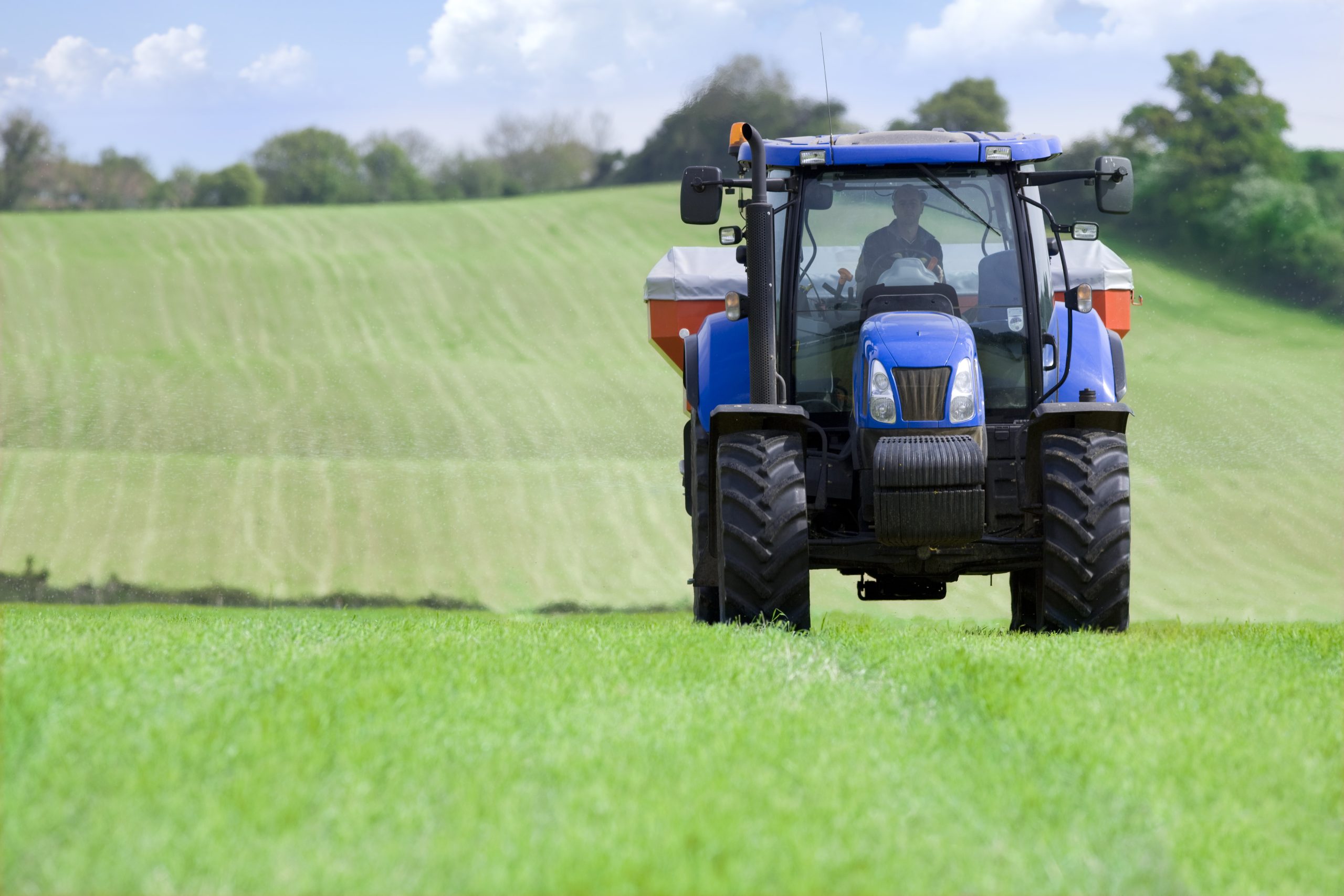
A scheme supporting the removal of agricultural land from production in Denmark is a "major mistake", according to Farm Europe.
On Friday (February 13), the European Commission approved the €1 billion Danish State aid scheme supporting landowners who voluntarily remove agricultural or forestry land from production.
The scheme aims to reduce agricultural greenhouse gas (GHG) emissions, as well as nitrogen and phosphorus deposits into water courses.
Danish scheme
The project involves the "permanent extensification of farming", meaning that the land will not be tilled and no pesticides or fertilisers will be used.
Under the scheme, forestry land that is permanently set aside cannot be included in forest production again.
Participants in the scheme will be compensated for the permanent loss of income caused by the setting-aside of land and the restrictions imposed.
The European Commission said the measure will contribute to achieving the objectives of the EU's Common Agricultural Policy (CAP) "by strengthening environmental protection and contributing to climate change mitigation and adaptation".
Farm Europe
However, Farm Europe, the think tank focused on European agriculture and rural economies has slammed the scheme.
"Spending public money to reduce agricultural production is a major mistake, at a time when the EU needs to secure strategic autonomy and global influence, including through a strong presence on global markets.
"Climate strategy should focus on performance: boosting production potential while reducing impacts at the same time.
"Economic and environmental performance must go hand-in-hand.
"The focus of the climate strategy should be on sustainable intensification, not extensification that leads to carbon leakages, land use change and deforestation," the organisation said on social media.