Explainer: What the EU-India deal means for agri-food trade


The EU and India have concluded negotiations for a significant free trade agreement (FTA), the largest such deal ever concluded by either side.
The EU and India already trade over €180 billion worth of goods and services per year, supporting close to 800,000 EU jobs.
This deal is expected to double EU goods exports to India by 2032 by eliminating or reducing tariffs in value of 96.6% of EU goods exports to India.
Overall, the tariff reductions could save around €4 billion per year in duties on European products.
The European Commission has said this is the "most ambitious" trade opening that India has ever granted to a trade partner.
According to the commission, it will give a "significant competitive advantage" for key EU industrial and agri-food sectors.
It will grant companies "privileged access" to the world's most populous country of 1.45 billion people and fastest growing large economy, with an annual GDP of €3.4 trillion.
What trade does the EU already do with India?
The EU is India’s largest trading partner, accounting for trade in goods worth €120 billion in 2024, or 11.5% of India's total trade.
India is the EU’s ninth largest trading partner, accounting for 2.4% of the EU’s total trade in goods in 2024, well behind the USA (17.3%), China (14.6%) or the UK (10.1%).
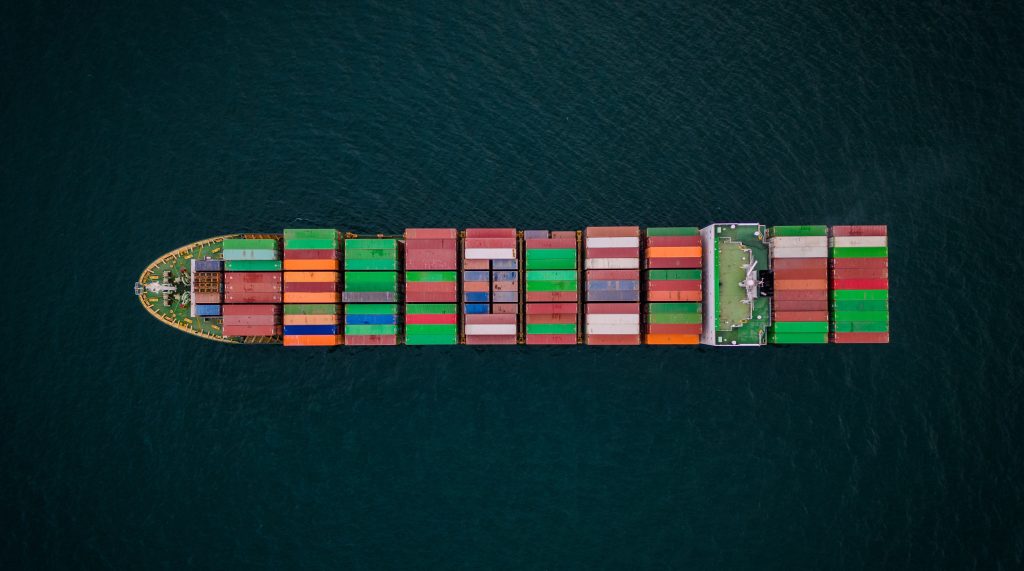
Trade in goods between the EU and India has increased by almost 90% in the last decade, commission figures show.
The EU’s imports from India comprise mainly machinery and appliances, chemicals, base metals, mineral products and textiles.
The EU's main exports to India consist of machinery and appliances, transport equipment and chemicals.
When did deal negotiations start?
The EU and India had first launched negotiations for a deal in 2007.
The talks were suspended in 2013 and then relaunched in 2022.
The 14th and last formal negotiating round took place in October 2025, followed by intersessional discussions at technical and political level.
At the same time as FTA negotiations were relaunched, the EU and India also launched negotiations for a Geographical Indications Agreement and an Investment Protection Agreement.
Negotiations for these agreements are still ongoing.
Is agri-food trade affected under this deal?
In 2024, EU agri-food exports to India amounted to €1.3 billion, or 0.6% of the EU's total agri-food exports.
The new agreement removes or reduces often prohibitive Indian tariffs (over 36% on average) on EU exports of agri-food products, opening a massive market to European farmers, according to the European Commission.
For example, Indian tariffs on wines will be cut from 150% to 75% at entry into force and eventually to levels as low as 20%.

Tariffs on olive oil will go down from 45% to 0% over five years, while processed agricultural products such as bread and confectionary will see tariffs of up to 50% eliminated.
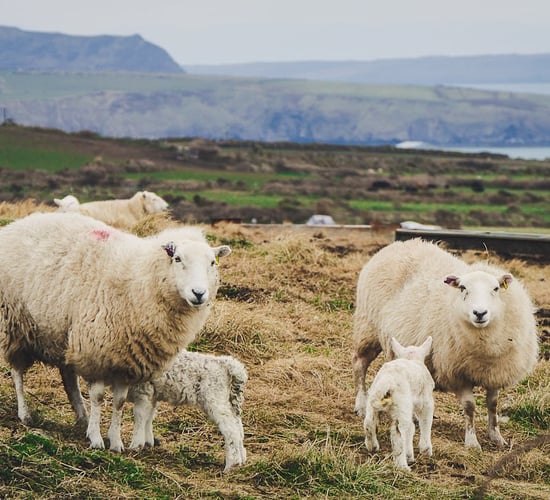
The current tariff on EU sheep meat of 33% will go to 0%, while current tariffs of up to 110% on sausages and other meat preparations will be 50% in the future.
Will sensitive agricultural sectors be protected?
The European Commission said both sides have agreed to exclude the most sensitive agricultural products from liberalisation.
The EU is to maintain its current tariffs on sensitive products such as beef, sugar, rice, chicken meat, milk powder, honey, bananas, soft wheat, garlic and ethanol.
The EU will open calibrated quotas for imports of sheep and goat meat, sweetcorn, grapes, cucumbers, dried onions, rum made of molasses and starches.

The agreement includes a bilateral safeguard mechanism, providing a targeted response in what the commission said is the unlikely event of market disruption arising directly from the deal.
Sensitive European agricultural sectors will be fully protected, according to the commission.
Under the deal, all Indian imports will continue to have to respect the EU's strict health and food safety rules.
What reaction has there been to the deal?
There has been a lot of reaction to the deal.
European Commissioner
According to European Commissioner for Agriculture and Food Christophe Hansen, EU agri-food exports to India have "so far been held back by extremely high tariffs".
"Under this agreement, European wines, spirits, beers, olive oil, confectionery and other products will enjoy preferential access to the rapidly growing Indian market," he said.
"Front and centre to these negotiations was maximising new opportunities for our unmatched European products, while protecting European farmers.
"That is why the tariffs on the most sensitive products such as beef, sugar, ethanol, rice and poultry will remain in place.
"As in any trade agreement, our high food safety standards are fully maintained. The safety of EU consumers is non-negotiable."
Eucolait
Other European reaction includes from Eucolait, the European Dairy Trade Association, which represents the interests of the dairy trading community in Europe.
Eucolait said: "We strongly regret the apparent exclusion of the dairy sector from the scope of the agreement.
"While we await the publication of the legal texts, dairy products do not appear to be among the agri-food products benefiting from improved market access.
"This represents a clear missed opportunity for our industry. India is home to the world’s largest population and is also the world’s largest milk producer.
"Its dairy policy is firmly anchored in self-sufficiency, with high import tariffs remaining the norm.
"As a result, EU dairy exports to India are currently limited, largely to lactose and whey powders, which are subject to comparatively lower tariffs of around 20–30%."
Copa Cogeca
Copa Cogeca, the umbrella group representing European farmers and agri-cooperatives, said the conclusion of the deal is a "significant and carefully balanced step forward for agri-food trade".
"The agreement strengthens access to a key growth market while clearly recognising the need to protect the most sensitive sectors of European agriculture and its production model," it said.
"By substantially reducing or eliminating previously prohibitive tariffs on a targeted range of products, the agreement creates meaningful new export opportunities for competitive EU farmers and agri-cooperatives.
"Importantly, Copa and Cogeca acknowledge the commission’s efforts to ensure that market opening does not come at the expense of agricultural resilience."
Irish Whiskey Association
The director of the Irish Whiskey Association Eoin Ó Catháin, said the deal "marks a milestone for Irish whiskey and Irish drinks exporters".
He said it will "greatly ease trade with the biggest whiskey market in the world, and it facilitates market diversification at a pivotal time for our sector".
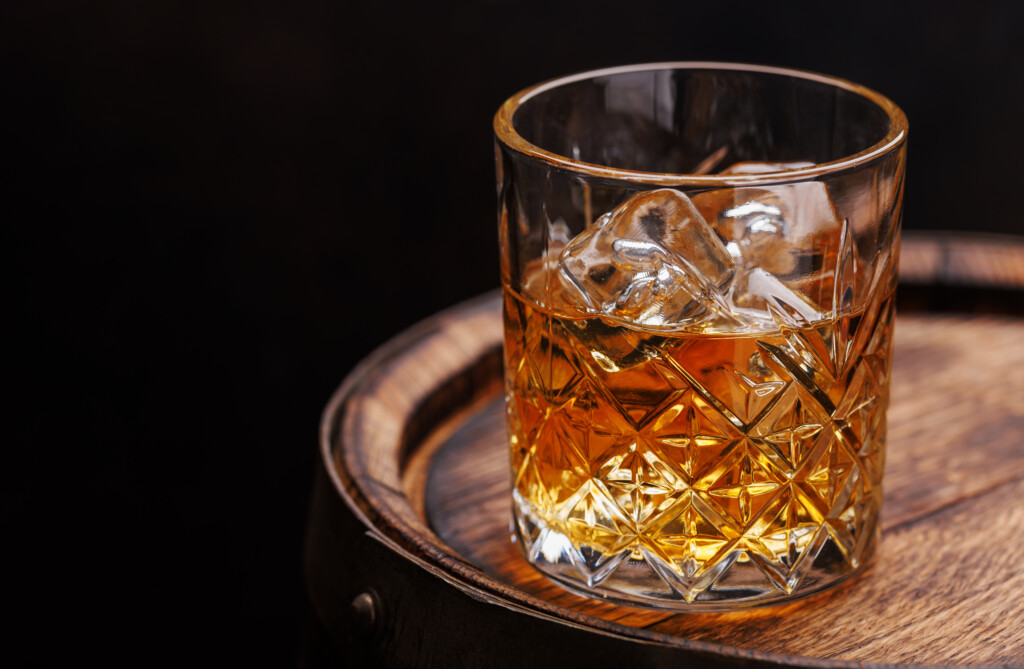
Key highlights of the deal for Irish whiskey include that the current 150% tariff will be halved immediately upon implementation, and tariffs will further decrease to 40% over the next seven years.
Irish MEP
Fianna Fáil MEP for the Midlands North West and member of the European Parliament’s International Trade Committee, Barry Cowen said this is a "genuinely historic agreement".
"It sends a powerful signal that rules-based trade, openness and partnership between democracies still matter and still deliver," he said.
Cowen added that the agreement has "clear potential" for Irish industries including spirits, medtech and food and drink, "while also strengthening Europe’s ability to diversify trade relationships beyond an increasingly volatile global environment".
What are the next steps for this deal?
On the EU side, the negotiated draft texts will be published shortly.
The texts will go through legal revision and translation into all official EU languages.
The European Commission will then put forward its proposal to the European Council for the signature and conclusion of the agreement.
Once adopted by the council, the EU and India can sign the agreements.
Following the signature, the agreement requires the European Parliament's consent, and the council's decision on conclusion for it to enter into force.
Once India also ratifies the agreement, it can enter into force.