Explainer: Outdoor recreation and walker responsibilities

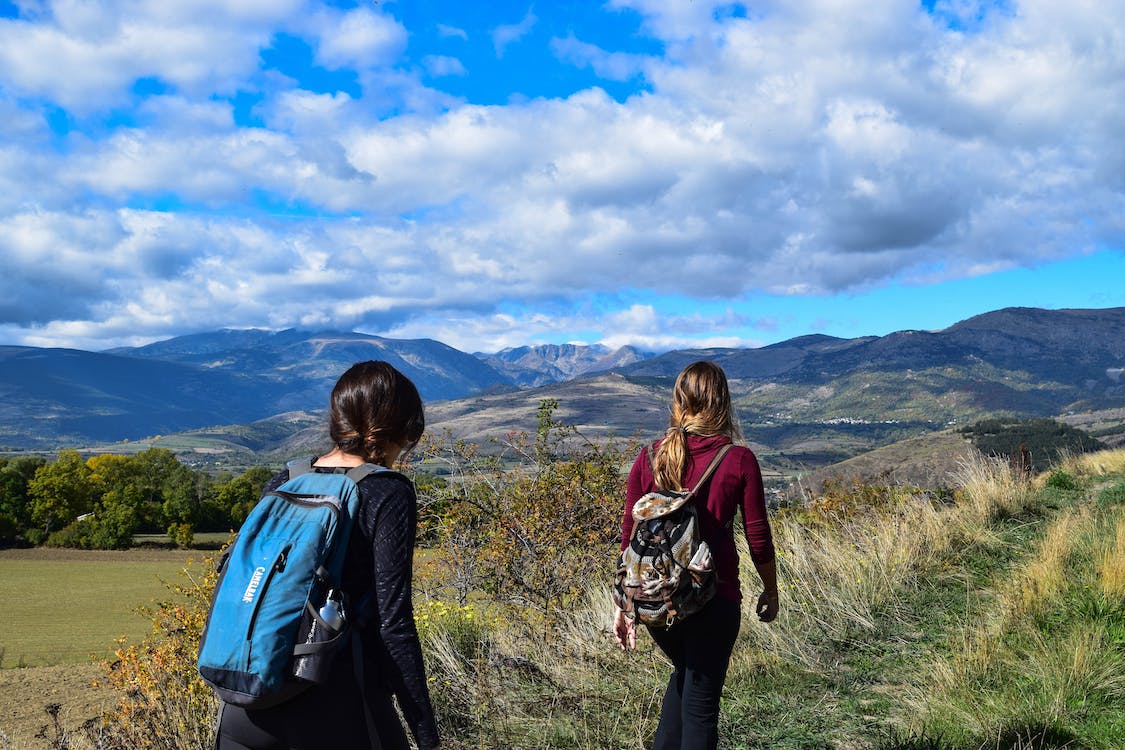
As spring and summer months approach, more people will be outdoors walking and taking part in other recreational activities.
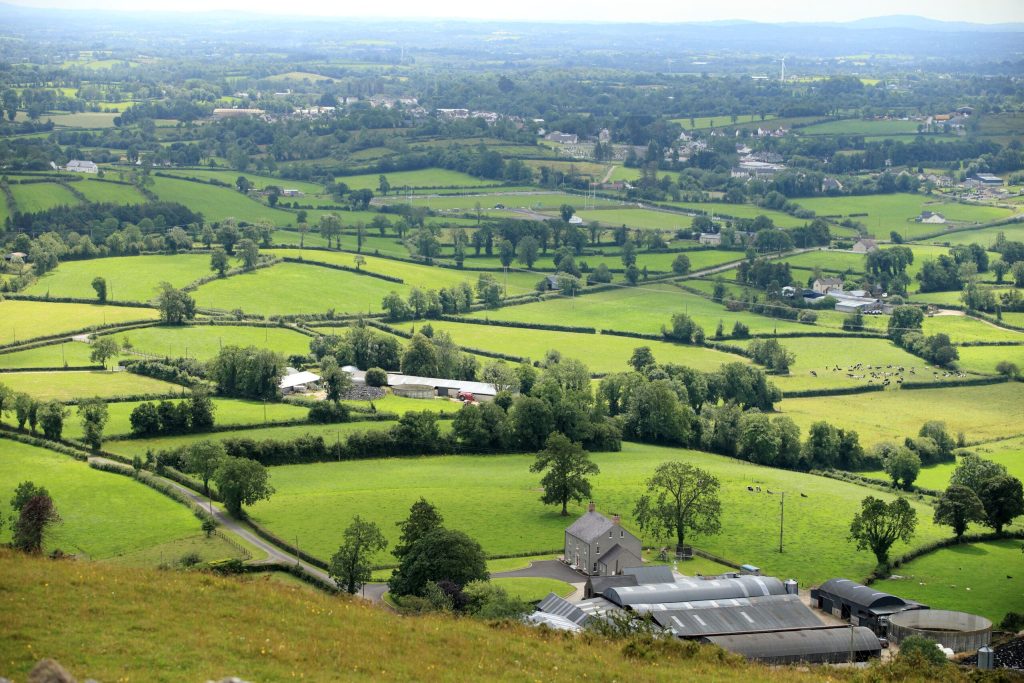
Given that around 78% of Ireland's land is privately owned, in many cases, recreational activities take place on privately owned lands.
This includes, for example, many walking trails going through privately owned farmland in Ireland.
As there is no legal right of access for users to private land, access depends on the goodwill of landowners.
While access is widely available, the lack of clarity around access and land ownership is an issue for recreational users, particularly for people from outside the local area.
A booklet was published last year to provide landowners with an understanding of their position around access and liability.
It also provides information for recreational users on their personal responsibility for their own safety.
The Recreation in Ireland’s Outdoors booklet was developed through Comhairle na Tuaithe and launched by Minister for Rural and Community Development, Dara Calleary.
What are farmers' concerns?
Farmers have a number of concerns when it comes to outdoor recreation, as outlined in the Recreation in Ireland’s Outdoors booklet.
Key concerns are around liability.
Landowners also have concerns around livestock worrying by dogs and general disturbance to farm animals and wildlife, alongside issues such as littering, irresponsible car parking, trampling on vegetation, damage to fences, and more.
Overall privacy and safety is also a worry for farmers.
Is there legislation in this area?
Concern amongst landowners that they might be liable if people engaged in recreation activity were injured on their land was one of the factors that prompted the introduction of the Occupiers’ Liability Act in 1995.
The Occupiers’ Liability Act applies to all property, both land andbuildings.
The act is mainly concerned with the state of the premises, and the landowner’s responsibility, or duty of care, that stems from that.

"The Occupiers’ Liability Act contains important provisions that significantly limit the legal obligations owed to people enjoying the outdoors," the booklet said.
"Amendments to the Occupiers’ Liability Act which came into effect at the end of July 2023 further limit the duty of care that landowners and occupiers owe to people who enter onto property.
"The amended act also embeds in legislation a long-established principle that participants in outdoor recreational activities take responsibility for their own actions and their own safety."
Participants in recreational activities must be aware that there is no legal right of access to the Irish countryside, the booklet outlines.
"Those who enter onto land owned by others, for the purpose ofrecreation, do so due to the goodwill and tolerance of landowners," according to the guide.
"Where a landowner or occupier asks you to leave the land, you should do so."
What duty of care do landowners have?
Where a recreational user is given permission to enter land, this does not increase the duty of care to that owed to a visitor, the booklet advises.
"However, a landowner charging recreational users for entry (other than a parking charge) does increase their duty of care to the higher level that is owed to visitors," according to the guidance.
"The occupier of land owes a very limited duty of care to a recreational user. It is a duty that concerns the state of the premises.
"In terms of the outdoors, the occupier is not required to make land safer than it is in its natural state, be it farmland, forest, or the open countryside."
The duty has three aspects:
- A duty not to injure the recreational user intentionally;
- A duty not to act with ‘reckless disregard’;
- Where a structure is provided for use primarily by recreational users, the occupier has a duty to take reasonable care to maintain the structure in a safe condition.
Do recreational users have responsibility for their own safety?
Recreational users have a responsibility for their own safety.
The guidance reads: "A degree of risk is inherent to all outdoor recreation activities, arising from a combination of the activity itself, changeable weather conditions and the natural features of countryside, mountain and coastal terrain.
"Outdoor recreation activities are based on an ethos of recreational users being aware of and accepting these risks and taking responsibility for their own actions.
"Therefore, it is important to have the right clothing and equipment, and the appropriate knowledge, skill and experience before setting out."
With the incorporation of voluntary assumption of risk in the 2023 revisions to the Occupiers’ Liability Act, the ethos of personal responsibility has become part of Ireland’s legislation, according to the booklet.
"Recreational users should recognise their personal responsibility to be aware of risks associated with accessing land, including various farming operations and livestock (particularly recently calved cows, bulls), etc."
What is responsible behaviour?
To promote responsible outdoor recreation, Leave No Trace Ireland "encourages a sustainable approach to recreation, urging individuals and communities to reduce their environmental footprint".
This programme is focused on "protecting Ireland’s natural landscapes through education, research, and collaborativepartnerships".
The seven principles of Leave No Trace guide individuals on how to recreate responsibly:
- Plan ahead and prepare;
- Be considerate of others;
- Respect farm animals and wildlife;
- Travel and camp responsibly;
- Leave what you find;
- Dispose of waste properly;
- Protect nature from fire.
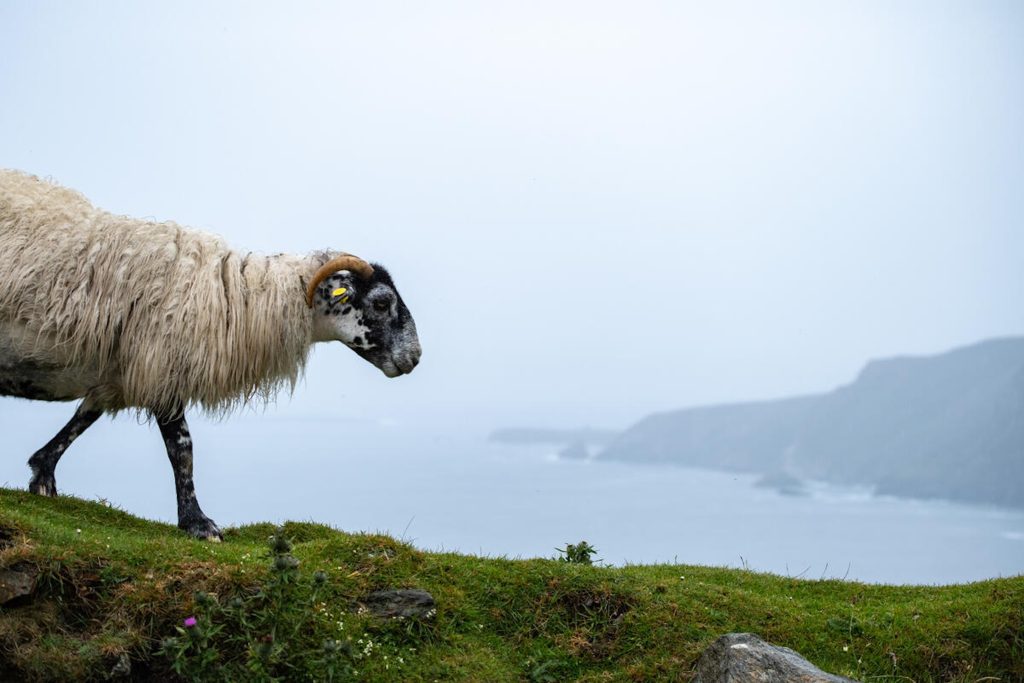
Dog worrying or attacks on livestock can have devastating impacts for farms.
Dog ownership carries legal, ethical, and practical responsibilities.
Dog owners must ensure the dog’s welfare, abide by licensing and control laws, and consider the animal's potential impact on the wider community.
The presence of a dog, even on a lead, can cause stress to farm animals.
Where a dog is off-lead, animals may be chased and hurt.
What is Comhairle na Tuaithe?
Comhairle na Tuaithe (The Countryside Council) was established in February 2004 as a non-statutory body.
It is made up of representatives from farming organisations, recreational users of the countryside, and state bodies with a responsibility or interest in the countryside.
According to the department: "Since the inception of Comhairle na Tuaithe, there has been significant growth in the numbers engaging in outdoor recreation.
"In June 2019 a new mandate was given to Comhairle na Tuaithe by the Minister for Rural and Community Development which will reinforce and strengthen its advisory role in relation to the sustainable development of the outdoor recreation sector in Ireland.
"Comhairle na Tuaithe developed the National Outdoor Recreation Strategy to provide a vision and framework for the growth of the sector.
"Comhairle will also identify opportunities to develop rural enterprises based on outdoor recreation activity."
Access to the countryside - which is an ongoing issue for private landowners, state landholders, recreational users and tourists alike - has "been progressed" through the efforts of Comhairle na Tuaithe and the introduction of the the Walks Scheme in 2008, the department added.