Explainer: Newcastle disease and the risk to poultry farmers

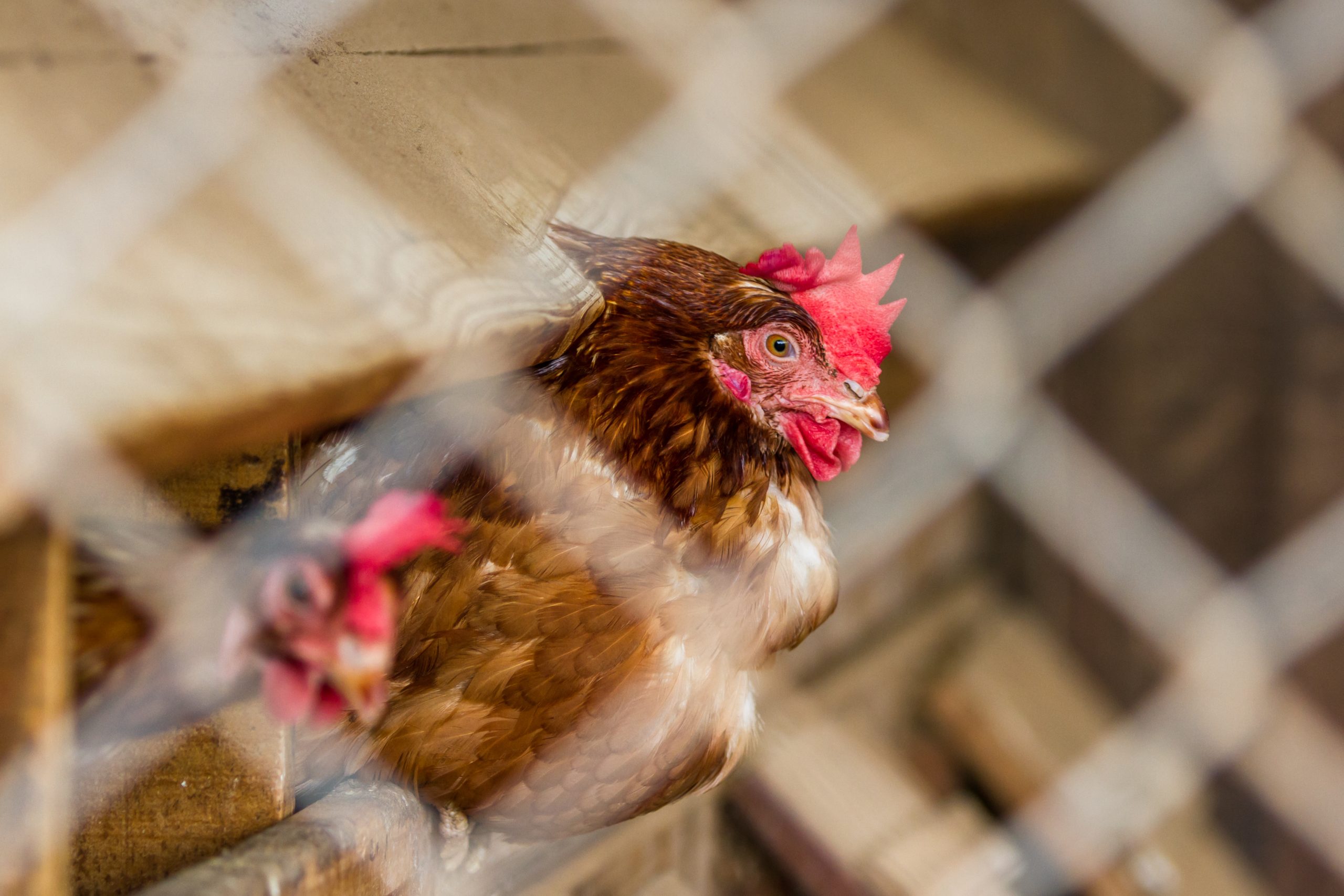
On February 20, Newcastle disease (ND) was detected on a turkey fattening farm in Brandenburg, Germany.
According to the Federal Research Institute for Animal Health in Germany, Friedrich Loeffler Institut, this is the first occurrence of the disease in Germany since it was eradicated from poultry in 1996.
ND is a disease of major importance for poultry and other birds.
The state authorities have initiated epidemiological investigations into the possible cause of the outbreak.
What is Newcastle disease?
It is a highly contagious and often severe disease that affects birds - including domestic poultry - and other bird species - including pet, zoo, and wild birds.
According to the Department of Agriculture, Food and the Marine (DAFM), the disease is caused by virulent strains of 'avian paramyxovirus type 1' (APMV-1) of the 'genus Avulavirus belonging to the family Paramyxoviridae'.
The disease can appear in several forms, ranging from mild to virulent.
The disease is characterised by respiratory and/or nervous signs, partial or complete cessation of egg production or misshapen eggs, greenish watery diarrhoea and oedema (swelling caused by build-up of fluid) of the tissues around the eyes and the neck.
ND, in its highly virulent form, is a World Organisation for Animal Health-listed (notifiable) disease and suspicions of presence of the disease must be reported to DAFM.
The disease can present a clinical picture very similar to avian influenza, so laboratory testing is important to confirm the diagnosis, the department said.
How does the disease spread?
It is transmitted most often by direct contact with diseased or carrier birds, DAFM explained.
Infected birds may shed the virus in their faeces, contaminating the environment.
Transmission can then occur by direct contact with faeces and respiratory discharges or by contaminated food, water, equipment and clothing.
ND viruses can survive for several weeks in the environment, especially in cool weather.
Generally, virus is shed during the incubation period and for a short time during recovery.
The incubation period is two to 15 days, with an average of five to six days.
Birds in the pigeon family can shed the virus intermittently for a year or more.

Other wild birds, such as cormorants, have also been shown to have caused outbreaks in domestic poultry.
The virus is present in all parts of the carcass of an infected bird.
The disease is very contagious. When the virus is introduced into a susceptible flock, virtually all the birds may be infected within two to six days, the department said.
What are the signs of disease?
The clinical signs vary widely and are dependent on factors such as: the strain of the virus; the species of bird infected; the age of the host (young birds are the most susceptible); concurrent infection with other organisms; environmental stress; and immune status.
In some circumstances, infection with the extremely virulent virus strains can result in high numbers of birds found dead with comparatively few clinical signs, according to DAFM.
The disease has a rapid onset with symptoms appearing between two and 12 days after exposure, and can spread rapidly through the flock.
Some virus strains attack the nervous system, others the respiratory or digestive systems.
Clinical signs outlined by DAFM include:
- Respiratory signs - gasping, coughing, sneezing, and rales/rattles;
- Nervous signs - tremors, paralysed wings and legs, twisted necks, circling, spasms, and paralysis;
- A partial or complete drop in egg production may occur. Eggs may be abnormal in colour, shape, or surface, and have watery albumen;
- Digestive signs;
- Diarrhoea;
- Mortality is variable but can be as high as 100%.
Many strains remain asymptomatic or cause milder signs, but sometimes they can evolve into highly virulent strains, the department warned.
How can you protect your flock?
Strict biosecurity standards help to protect your flock against all poultry disease, not just ND, DAFM said.
However, flock owners must remain vigilant, as there is the possibility of the virus being present in the environment or being transmitted to their flock by wild birds.
Farmers can protect their flock against ND by vaccination.
DAFM said it recommends that all laying birds are vaccinated against the disease.
Broilers and other fattening birds may also be vaccinated, depending on the disease situation that prevails.
Your veterinary practitioner will be able to advise you on this, DAFM said.
What countries have outbreaks?
Infection with ND virus is currently absent in poultry in Ireland, according to the DAFM.
The last known case of the disease in Ireland was in 1997.
The ND virus in Brandenburg is said to be highly similar to ND viruses from outbreaks in Poland.
Poland has experienced a large amount of outbreaks recently, with countries such as Slovakia and Spain also reporting outbreaks in recent months.
What should you do if you suspect infection?
ND is a notifiable disease.
In Ireland, if you have any concern that your flock has it, take immediate action.
DAFM said keepers must house or confine the birds away from other birds immediately and report the suspect case to the department.
How does the disease affect humans?
ND is a minor zoonosis (disease of animals that can also infect humans) and can cause conjunctivitis in humans, but the condition is generally very mild and self-limiting.
Occasional human ND-associated disease (conjunctivitis, pneumonia) has been reported in humans after exposure to large quantities of virus.
The disease poses no food safety risk to consumers of well-cooked poultry products, including eggs.
General advice from DAFM is that people should not pick up or touch sick, dead, or dying birds and keep their pets away from them.
Dogs should be kept on a lead in areas where sick or dead wild birds are present.