Explainer: Knowing which cattle are factory fit
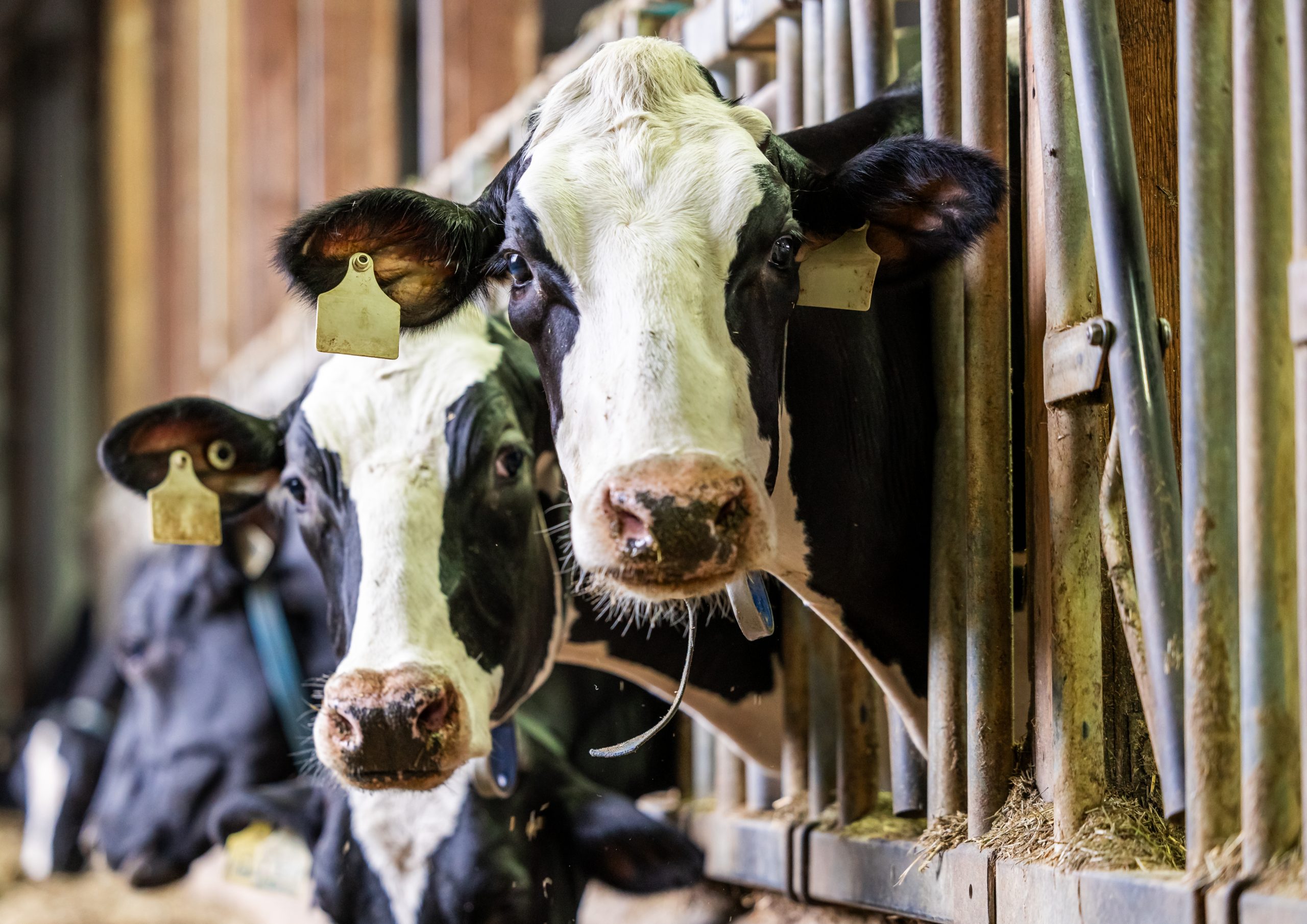
It is that time of the year where many farmers will be starting to draft factory-fit cattle from the shed.
Judging, selecting and drafting animals is a crucial part of the process to ensure that animals are at the desired weight and fat score.
According to Teagasc, drafting animals too early when they do not have adequate fat cover, or too late, when they are too fat, results in a price reduction.
Market specifications require animals between 2+ and 4= for carcass fat score.
A price reduction occurs when animals do not meet market specifications and penalties will be applied, with bonuses lost on the Quality Payment Scheme (QPS) or through breed-specific schemes.
Teagasc says that it is common for a high percentage of animals to be marketed as excessively high fat scores, resulting in additional feed days and associated costs.

Once cattle reach the desired fat score of a 3+, the carcass-weight potential of the animal is maximised.
Putting animals into any higher levels of a fat cover reduces their efficiency significantly in terms of average daily gain.
According to Teagasc, it will take approximately 90 days to fatten steers and heifers to the desired finish with the correct nutrition, and up to 120 days for bulls.
Keeping and feeding animals longer than required will provide little in return.
Key points Teagasc highlights are:
- Monitor and assess animals regularly;
- Weigh animals every four weeks throughout the finishing period to monitor performance and determine any health or nutrition changes needed to reach the target daily live weight gains;
- Different breeds will finish at various stages, i.e. early maturing breeds such as Hereford and Angus will fatten quicker than continentals;
- Handle, select and draft animals every 10-14 days near the end of the fattening period to ensure animals do not become over-fat;
- It is particularly important when selecting factory fit cattle to handle them individually and safely in a crush to assess cover rather than just judging by eye;
- Keep a record of your judging - i.e. your estimate of the animal’s conformation and fat score - and then compare this to what results are on the factory kill sheet. This will help improve your judging going forward.
Weight and visuals are a general guide to an animal's readiness for market; however to ensure accurate selection, handling the live animal is a must.
Knowing and understanding the key handling points will also help you to be able to assess the potential carcass classification, so as to consistently meet the market specifications.

The organisation lists five key handling points that give the best indication of level of finish and fat class:
- The round or hindquarter;
- The loin;
- The shoulder;
- The pin bones at either side of the tail head;
- And the ribs.
When assessing the fatness of steers and heifers, the primary areas to focus on handling are the shoulders, loin, ribs, and the tail head.
For bull beef producers, fat cover can be slightly more difficult to determine.
However, other areas that give a good indication of fat cover in bulls are the cod, the area above the scrotum, and the brisket, the area between the front legs of the animal.
Once fat starts to be laid down in these areas, bulls are ready for slaughter.
The grid payment scheme
Farmers that market their cattle through the grid system receive a base price per kg of cold carcass.
The current base price on offer for steers and heifers is in the region of €7.10/kg.
Teagasc explains that if you take an under-30 month, in-spec animal from a quality assured herd with a conformation of U= and a fat score of 3, they will receive an extra 18 cent/kg on top of base price and also a 20 cent/kg quality assurance bonus.
The total payment that would be received by the farmer in this case would be €7.48/kg.
If you now take the same animal, however this time they have become over-fat so now grade U=4+, they will receive an extra 12 cent/kg on top of base price on the grid structure and will only receive a quality assurance payment of 12 cent/kg coming to a total of €7.34 per kg.
In this scenario of two cattle grading the same but one being over fat, there is a price difference of 14 cent/kg.
On a 350kg carcass, this would equate to a reduction in payment of €49 due to the animal being over fat, not to mention the extra feed costs that were entailed by over feeding the animal.
This shows a significant price difference, one that is fixable through proper monitoring.