Exotic disease threat higher than 'any time in the modern era’ - DAFM

The deputy chief veterinary officer at the Department of Agriculture, Forestry and Marine (DAFM), Dr. Eoin Ryan, has warned of increasing risk of tropical and exotic diseases on the island of Ireland.
Speaking at the Oireachtas today (January 14) at a meeting of the Joint Committee on Agriculture and Food, Dr. Ryan said: “In recent years, the threat to Ireland posed by exotic animal diseases has become higher than at any time in the modern era.
“Biosecurity is a critical element in protecting Ireland’s agri-food sector and our public health from the many disease threats we face.
"Our animals, plants, fish and forests are crucial to Irish society, Irish employment and the wider Irish economy, yet they are at risk from a range of diseases.”
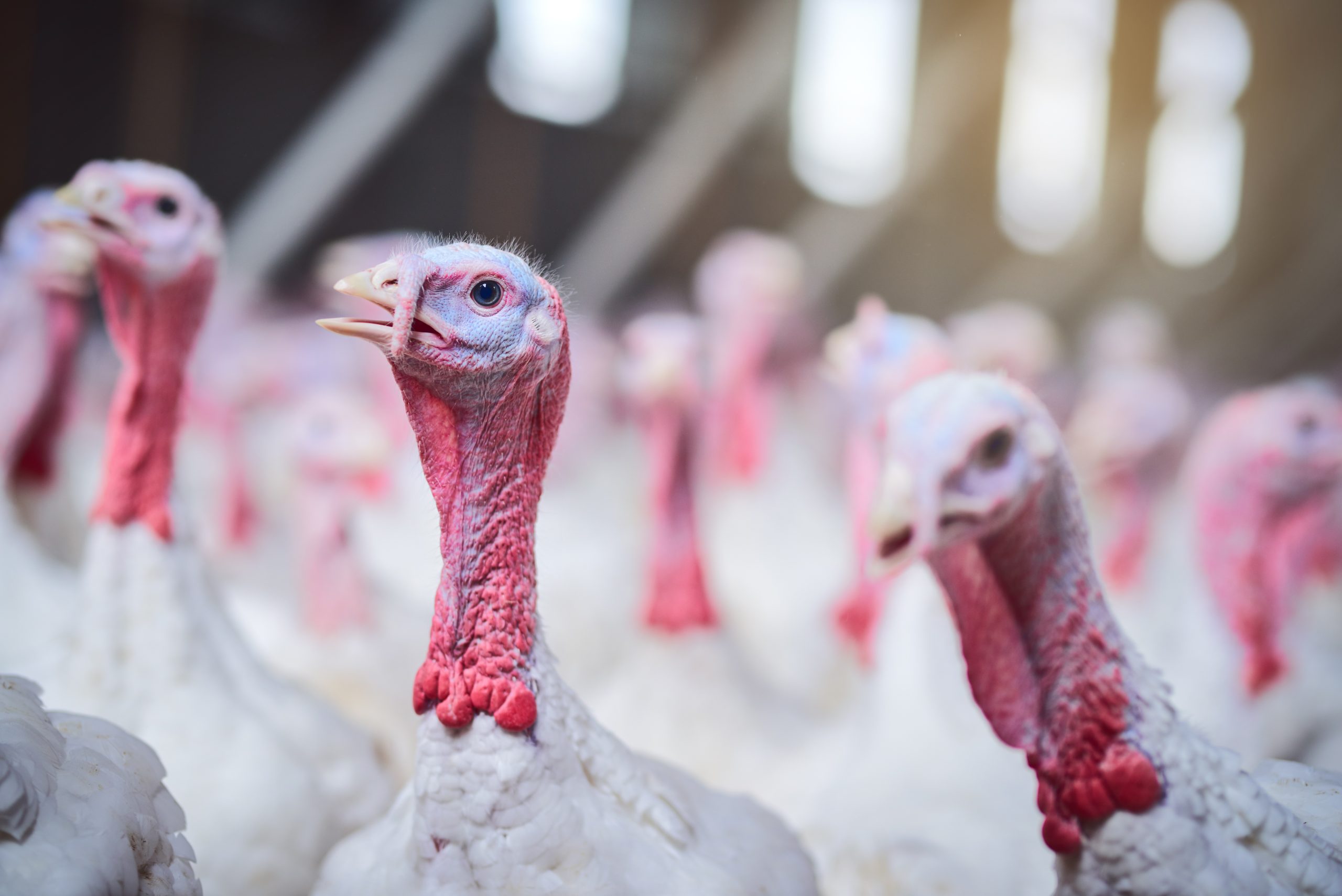
On the subject of bird flu, he said: “Since 2020, highly pathogenic avian influenza [bird flu], once a rarity, now circulates in our wild bird population each winter, brought in by migrating birds, resulting in five outbreaks of highly pathogenic H5N1 avian influenza in turkey flocks in Ireland in November 2025.”
“It is in this context that the Department of Agriculture, Food and the Marine has taken a range of actions to strengthen our preparedness for an outbreak of such a disease, and to protect where possible Irish animals from these risks," Dr. Ryan continued.
All-island approach
Dr. Ryan added that government biosecurity officials are taking an “all-island approach to disease prevention”.
He said: “The second National Farmed Animal Biosecurity Strategy (2025-2030) was launched in December 2025. It centres around the ‘ABC of Biosecurity’: awareness, behavioural change and consistency.
“The strategy will complement the Plant Health and Biosecurity Strategy (2026-2030) that will be launched in quarter one 2026 and which will build on the success of the first Plant Health and Biosecurity Strategy 2020-2025 in the areas of risk anticipation, risk surveillance and management and risk awareness and communication.”
On the subject of an all-island approach, he said: “These strategies acknowledge the importance of the department working closely with the Northern Ireland Department of Agriculture, Environment and Rural Affairs on an all-island approach to disease prevention and control of animal and plant pests and diseases.”
Dr. Ryan cited a number of "tangible outcomes" of the previous (2021-2024) and current National Farmed Animal Biosecurity Strategies.
“To date, biosecurity Codes of Practice have been produced for poultry, pigs, and dairy cattle, while a beef cattle Code of Practice is currently being finalised and will be published during 2026.
“Furthermore, the number of farmers availing of the DAFM-funded Targeted Advisory Service for Animal Health (TASAH) biosecurity reviews for pigs and poultry increased by 105% from 2021 to 2024, which reflects the improved engagement from stakeholders in this regard.”
“Biosecurity is a critical element in tackling animal diseases such as BVD (bovine viral diarrhoea), bovine TB (tuberculosis), salmonella in pigs and poultry, and Johne's disease.”