European farming groups call for measures to reduce fertiliser prices

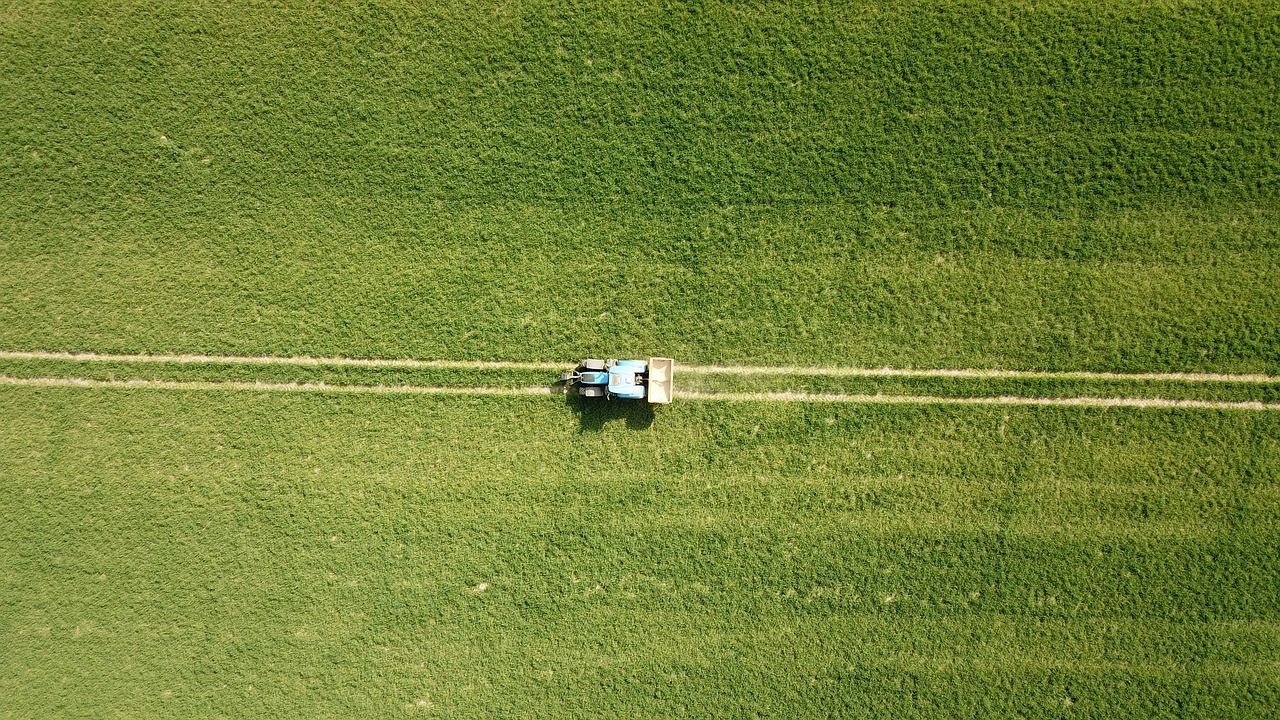
Copa Cogeca and Farm Europe have both called for measures to reduce the price of fertiliser, including examining the Carbon Border Adjustment Mechanism (CBAM) for related products.
The two groups were among European farming organisations and representatives from EU agriculture, tax and growth departments that attended a meeting convened by European Commission yesterday (April 13).
Described by the EU as "a high-level dialogue", the meeting's aim was to analyse the impact of the geopolitical and economic crisis triggered by conflict in the Middle East on European agriculture and European fertiliser production.
It was titled 'Securing a Sustainable, Competitive and Fair EU Fertilisers System'.
At the meeting, Elisabeth Werner, director-general for the Directorate-General for Agriculture and Rural Development (DG AGRI) said the EU's Fertiliser Action Plan - set to be released in the second quarter of the year - is intended to improve the availability and affordability of fertilisers for farmers and for food production.
The plan will also "strengthen Europe’s domestic production and resilience; and accelerate the transition towards decarbonised, low-fossil and circular fertilisers", according to a DG AGRI social media post.
However, since the outbreak of hostilities in the Middle East, there are calls for the CBAM to be suspended when it comes to fertiliser.
The CBAM is effectively a tax on imports of carbon-intensive products into the EU, including fertiliser. It requires importers of fertiliser to pay for certificates to import products.
Farm Europe
According to Farm Europe, a think tank focused on European agriculture and rural economies, the war has "only exacerbated a fertiliser challenges that farmers, certain member states and members of Parliament have been warning about for months".
It said in a statement following yesterday's meeting: "The challenges are structural, not cyclical.
"To limit the explanation solely to events in the Middle East would be to demonstrate a culpably short-sighted vision or a refusal to address the root of the problem."
Farm Europe said by integrating fertilisers into the Emissions Trading System (ETS), the EU has "chosen to achieve its green transition by structurally increasing the prices of fertilisers for European farmers together with a carbon border tax designed to equalise CO2 pricing between EU producers and importers via CBAM.”
However, the organisation said this framework "focused on greening supply rather than stimulating low carbon demand", and was proving ineffective.
The statement said: "Europe is losing its conventional fertilisers (10 million tonnes of EU production capacity have been shut down or placed on hold), its agricultural production with a reduction of four Mha in cereal area.
"At the same time, transition toward low carbon fertilisers is not taking place in the EU; most low-carbon projects having been cancelled or requiring heavy subsidy to survive."
Farm Europe noted that the commission "still refuses" to suspend the CBAM on imported fertilisers.
“There is an urgent need for a real paradigm shift in the financing model of the transition for the fertilisers-cereals value chain that lays down the conditions for a competitive, sustainable and resilient value chain in Europe," the statement said.
Farm Europe called for the current ETS-CBAM model to be revisited before 2030 "to create a credible financing pathway for agricultural transition toward low carbon value chains".
Copa Cogeca
Copa Cogeca, the umbrella organisation representing European farmers and agri-cooperatives, said it utilised the meeting to stress the need to reduce the price of fertilisers for farmers.
Francie Gorman, the organisation’s vice president, and the president of the Irish Farmers’ Association, said: “Our main ask was that CBAM would be suspended.
“We also raised the issue of supply lines to ensure that we have a continued supply of fertiliser into Europe.
“The Fertiliser Plan is going to be published by Commissioner (for Agriculture Christophe) Hansen in the next number of weeks. And we look forward to seeing those issues being addressed in it.”