EU young farmers support mobilisation against Mercosur trade deal

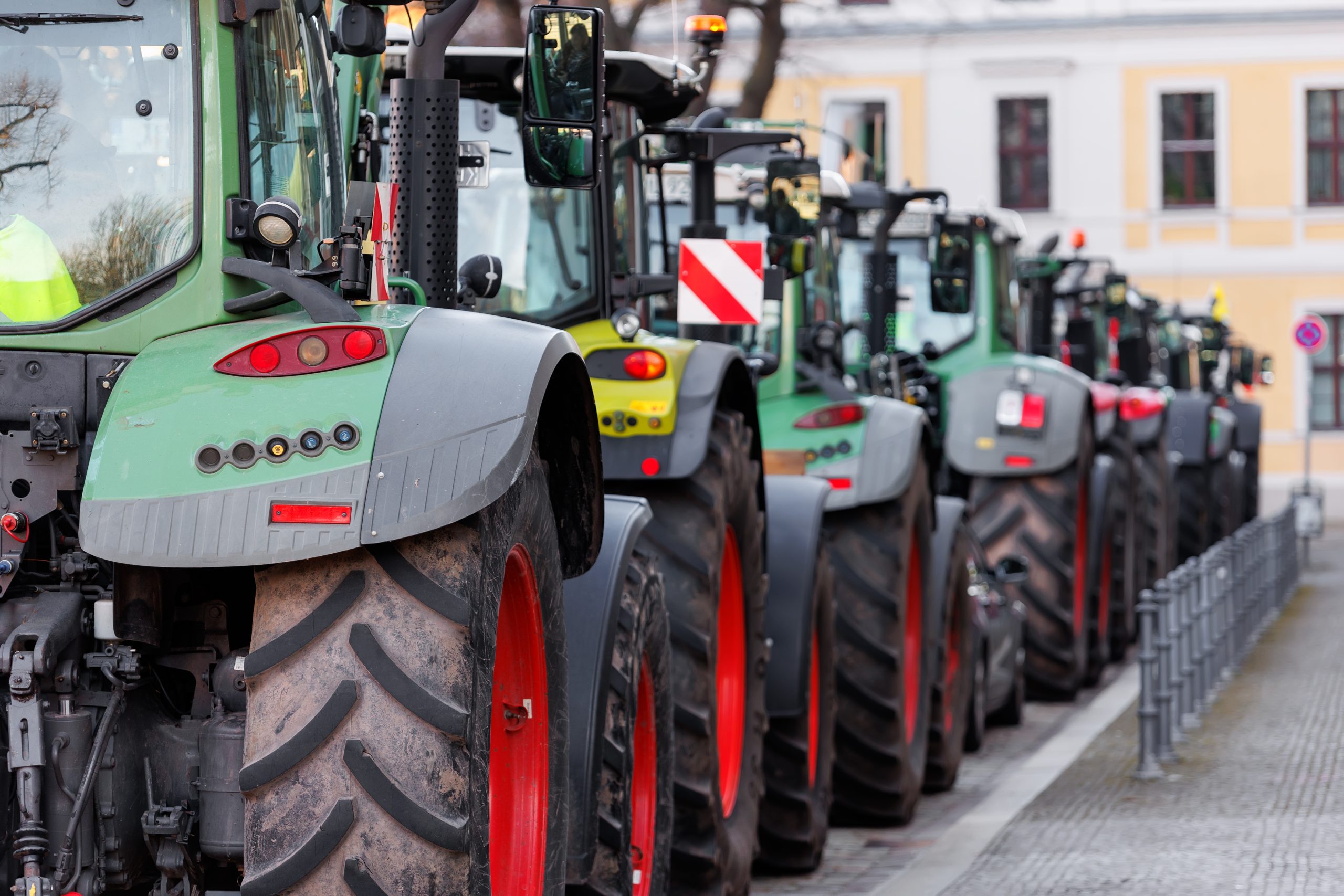
CEJA which represents young farmers across Europe is lending its support to mobilisation action planned for the European Parliament sitting in Strasbourg, France next week.
On Tuesday January 20, farmers will protest in Strasbourg during the plenary session of the European Parliament, organised by union representatives JA and FNSEA, to express their opposition to the EU-Mercosur Partnership Agreement.
The trade deal is the biggest deal ever negotiated by the EU and would eliminate tariffs on 91% of all products exported between the two regions, primarily machinery and automobiles going to Mercosur countries and a quota of beef and poultry coming from Brazil.
CEJA, which has voiced the concerns expressed around this agreement, said that it supports the mobilisation and has called for peaceful proceedings.
Young farmers concerned
CEJA has also expressed support for the scheduled vote on the seizing of the Court of Justice during the plenary session next week, claiming that the agreement, since the resumption of the negotiations in 2016, has crystallised the concerns of the European farming community, both in its content and procedural aspects.
The young farmers' organisation added that the signature of the agreement by the European Commission president Ursula von der Leyen with the Mercosur countries, planned in the next few days and scheduled ahead of the European Parliament’s vote, sends the wrong signal.
In a statement, it outlined: "Over the last years, Europe’s young farmers have particularly highlighted the cumulative impacts on the most sensitive sectors already vulnerable in the markets (i.e., beef, poultry, sugar, ethanol and rice), the differences remaining on the front of sanitary and phytosanitary standards and labour conditions, as well as the fact that sustainability commitments remain 'in good faith' in the additional protocol.
"In parallel, CEJA continues to voice its specific reform needs in the post-2027 Multiannual Financial Framework [EU Budget], and calls on members of the European Parliament to accelerate the work to improve the funding of the future Common Agricultural Policy [CAP] and re-establish the minimum budget allocated to young farmers."