EU member states officially adopt Mercosur deal safeguards

Member states of the EU have officially adopted the safeguard regulation for agricultural products that could be impacted by the EU-Mercosur Trade Agreement.
The adoption of the safeguards comes in the same week the European Commission confirmed that the controversial trade deal will be provisionally applied, despite the deal not having the approval of the European Parliament yet.
The commission's decision to provisionally apply the deal came after Argentina and Uruguay became the first Mercosur countries to ratify the deal.
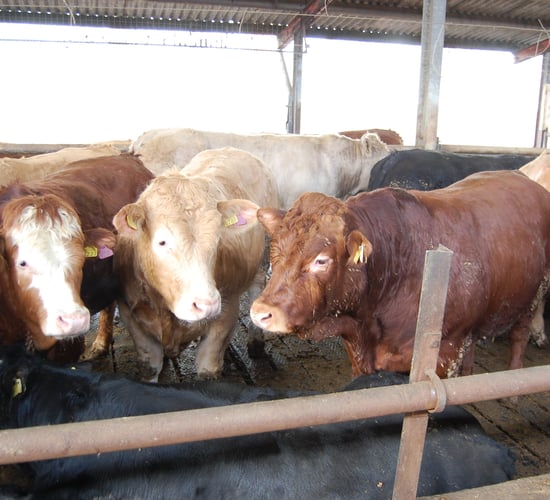
As part of the agreement, 99,000t of Mercosur beef will be allowed to enter the EU market with a 7.5% duty.
EU farmers have major concerns about this aspect of the trade deal which led to some EU member states, including Ireland and France, opposing the agreement.
For that reason, and to shore up support for the trade agreement, the commission proposed 'safeguards' that would allow investigations to be carried out and corrective measures implemented, if there is reduction in prices and an increase of imports for a particular product over a certain number of years.
This safeguard regulation had already been approved by the European Parliament, and now, with the adoption by member states in the Council of the EU, it has cleared the final hurdle to becoming EU law.
The council said that the regulation aims to strengthen protections for EU farmers by allowing safeguard measures to be "swiftly applied" in cases where imports Mercosur countries threaten to cause serious injury to EU producers.
The council said the regulation builds on existing EU safeguard mechanisms while introducing "faster procedures and simplified triggers" for action.
The finalised regulation will use 5% as the threshold figure for price decreases that will trigger the safeguards.
The safeguard regulation will now come into force in the next few weeks.
It will apply not only to the EU-Mercosur interim trade deal (which are the trade aspects that were provisionally applied this week) but also the EU-Mercosur Partnership Agreement when it comes into force.
The partnership agreement is the wider political agreement between the two blocs, and it still has to be ratified by the parliament.