EU Commission: No decision yet on provisionally applying Mercosur trade deal

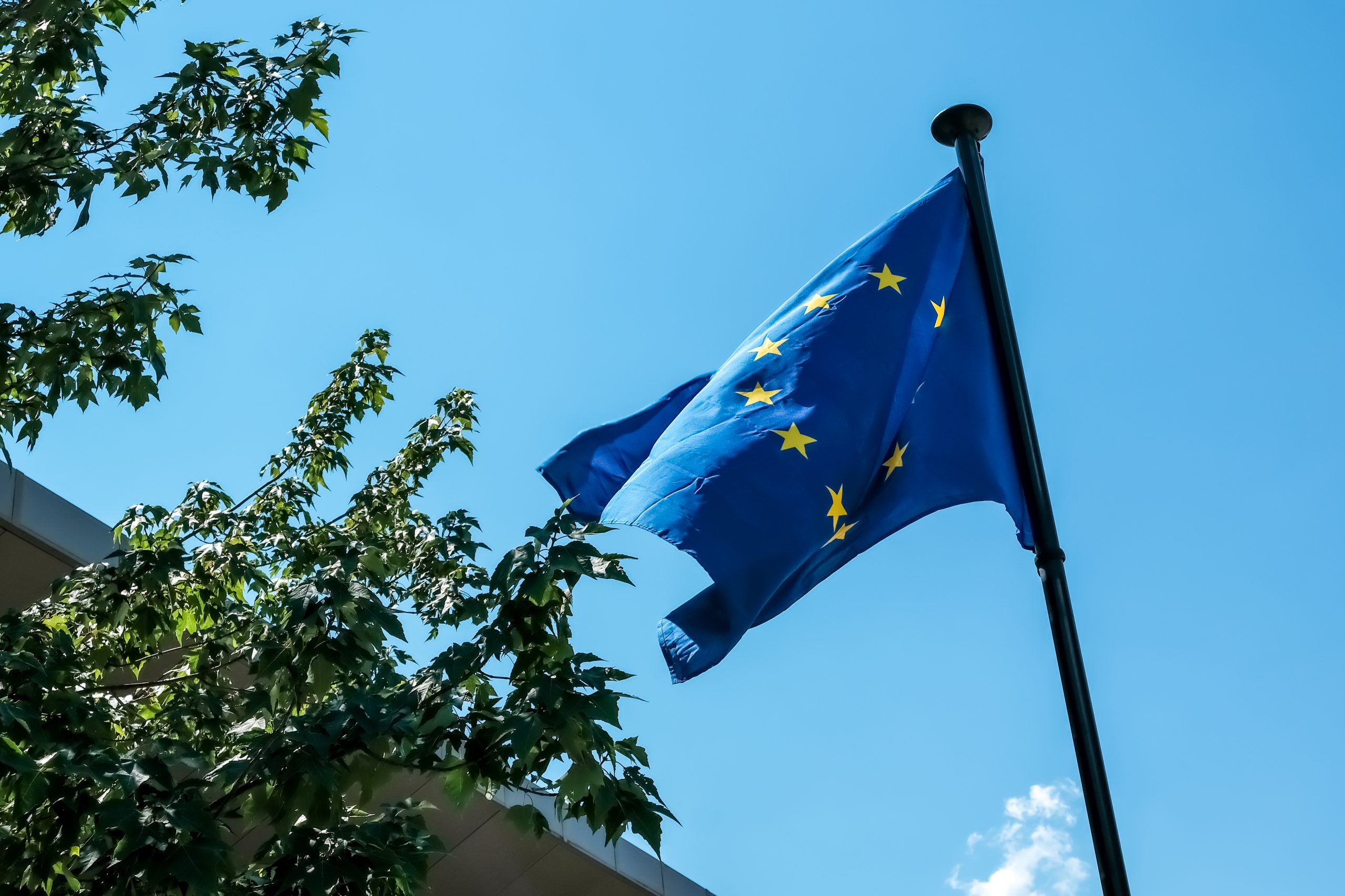
The European Commission has confirmed that it has not, as yet, decided to provisionally apply the conditions of the EU Mercosur trade agreement, before the European Parliament votes on the deal.
In a statement to Agriland, the commission said: "This agreement is essential for the EU – for our economic prospects, job creation, trade diversification, and as a geopolitical signal. The [European] Council has already endorsed it.
"[Commission] President von der Leyen will travel to Paraguay on Saturday to sign it. To be clear: no decision has been taken on the provisional application of the Mercosur agreement.
"The commission’s focus in the coming weeks will be to engage with MEPs to win their support, ahead of their final consent vote on the agreement.
"We believe this is a deal the European Parliament can support with full confidence. The EU-Mercosur agreement creates the largest free trade zone in the world."
The commission added that it is expected to bring great opportunities for EU companies and citizens in every EU member state and gas emphasised that it has built in necessary protection for farmers.
If the process continues as it normally would for such trade agreements to be go through the correct channels. It is expected that it would come before the European Parliament for a decision on the full agreement in April or May.
EU-Mercosur Partnership Agreement
The EU-Mercosur Partnership Agreement (EMPA) is made up of two elements - political and cooperative partnership on things like policy, research, tackling climate change, etc., and the second element - the trade deal, currently referred to as the Interim Trade Agreement (iTA).
The majority of EU member states voted in favour of the agreement earlier this month at the EU Council, with just Ireland, France, Austria, Hungary, and Poland voting against.
The trade deal between the EU and the South American countries which make up the Mercosur bloc (Brazil, Argentina, Uruguay, Paraguay) would eliminate tariffs on 91% of all products exported between the two regions.
A maximum limit (quota) will be put on the amount of agri-food products imported from Mercosur that benefit from lower tariffs:
- 99,000t for beef;
- 25,000t of pigmeat;
- 180,000t for poultry.
In exchange, the EU will be able to export goods to the Mercosur countries at much more favourable tariffs, such as machinery and cars, but also agri-food produce such as olive oil and dairy products.
Safeguards were included in the deal to ensure that EU farmers are not injured economically as a result of the deal, such as a trigger clause for investigation should the volume and prices of sensitive products in the EU market drop by 5% as a result of South American imports.

President of the European Commission, Ursula von der Leyen, is in Rio de Janeiro today (Friday, January 16), starting a trip to Brazil and Paraguay that will finish with the signature of the EU-Mercosur trade agreement in Asuncion.
The signature concludes 25 years of talks between the EU and Mercosur, formally creating one of the largest free trade zones in the world, encompassing over 700 million people.
Maros Sefcovic, Commissioner for Trade and Economic Security, will be also travelling to Brazil and Paraguay.
Today, in Rio de Janeiro, President von der Leyen will meet with the president of Brazil, Luiz Inacio 'Lula' da Silva.
Tomorrow, von der Leyen will travel to Asuncion along with Antonio Costa, president of the European Council, where she will meet with the president of Paraguay, Santiago Pena.
When will the trade deal come into effect?
Essentially, once the deal is signed by all parties and is ratified by at least one Mercosur country, the European Commission technically has authority to provisionally apply the terms of the deal.
However, a senior EU official told Agriland that there is a long-standing institutional arrangement between the institutions of the EU and that the commission would wait for the approval of the European Parliament before implementing the deal.
However, while that may be the case and outlook at the moment, a referral of the deal to the EU courts of justice (CJEU) could change the perspective of the commission.
Officials have said that the interim trade deal could potentially be provisionally applied, should there be undue delay in the formal ratification of the deal by the parliament.
What would constitute such a delay? Well, the deal being referred to the CJEU which could take between 18-21 months to complete, would certainly result in such a delay, but whether the commission would push on with the deal's provisional application in the meantime, will not be confirmed until that scenario could or might arise.
The European Parliament president, Roberta Metsola from Malta, is expected to decide whether she will put the motion forward at next Wednesday's plenary session in Strasbourg, France on whether the deal should be referred to the CJEU to analyse if it abides by the treaties.
If the deal is not referred to the EU Courts and the European Parliament approves it in April or May, it is expected that the agreement will be implemented in full by the end of the this year, the second half of which see Ireland host the EU presidency.