EU affairs minister backs Ireland's 'old school' view of CAP

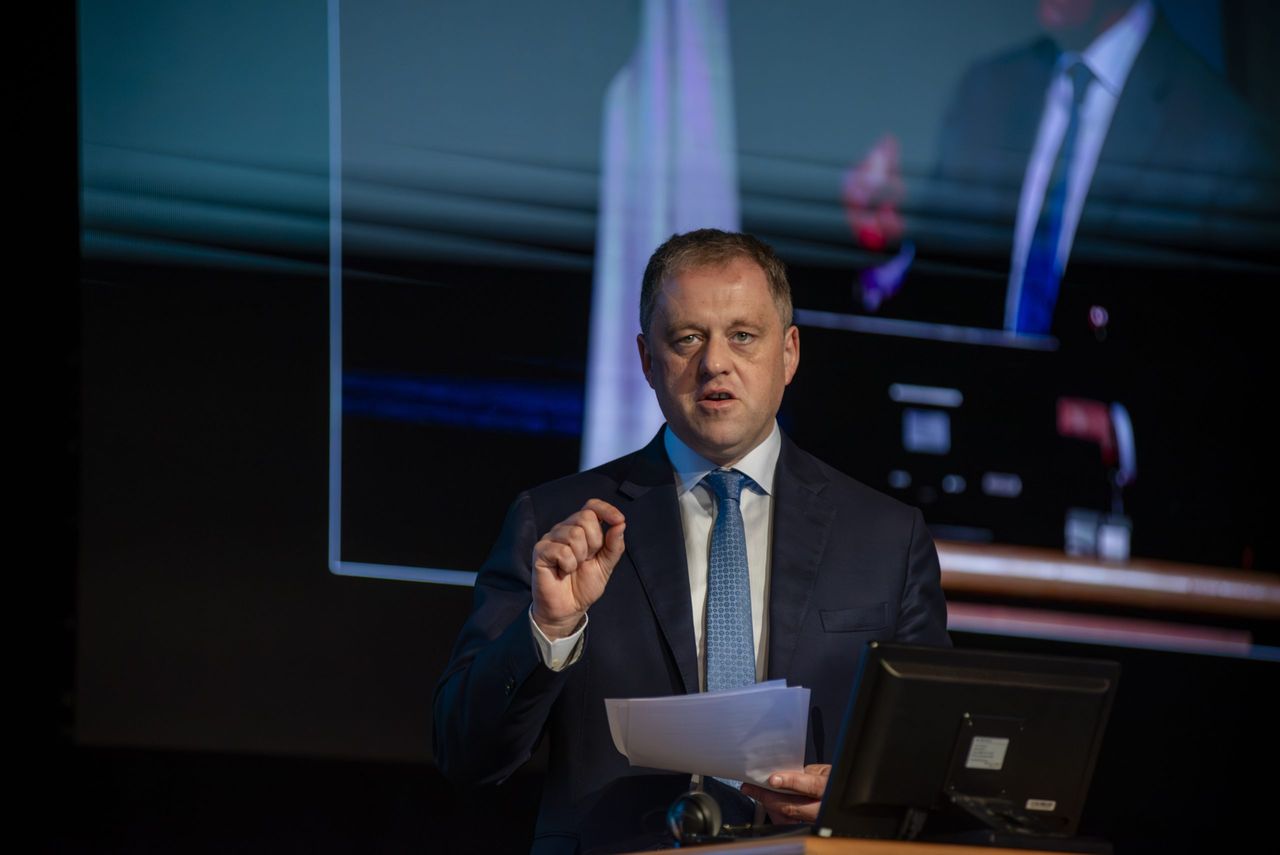
Ireland's Minister of State for European affairs has defended what he called Ireland's "old school" understanding of the Common Agricultural Policy (CAP).
Minister Thomas Byrne said that the CAP is about food production and "retaining small farmers".
He was speaking at a meeting of the highest-ranking members of a key advisory committee to the EU institutions.
The European Economic and Social Committee's (EESC's) top members, from several EU member states, met in Dublin Castle today (Wednesday, June 10) ahead of Ireland's presidency of the Council of the EU.
The EESC is made up of representatives of employers, workers and civil society groups across the EU. Its president is Ireland's Séamus Boland, former CEO of Irish Rural Link.
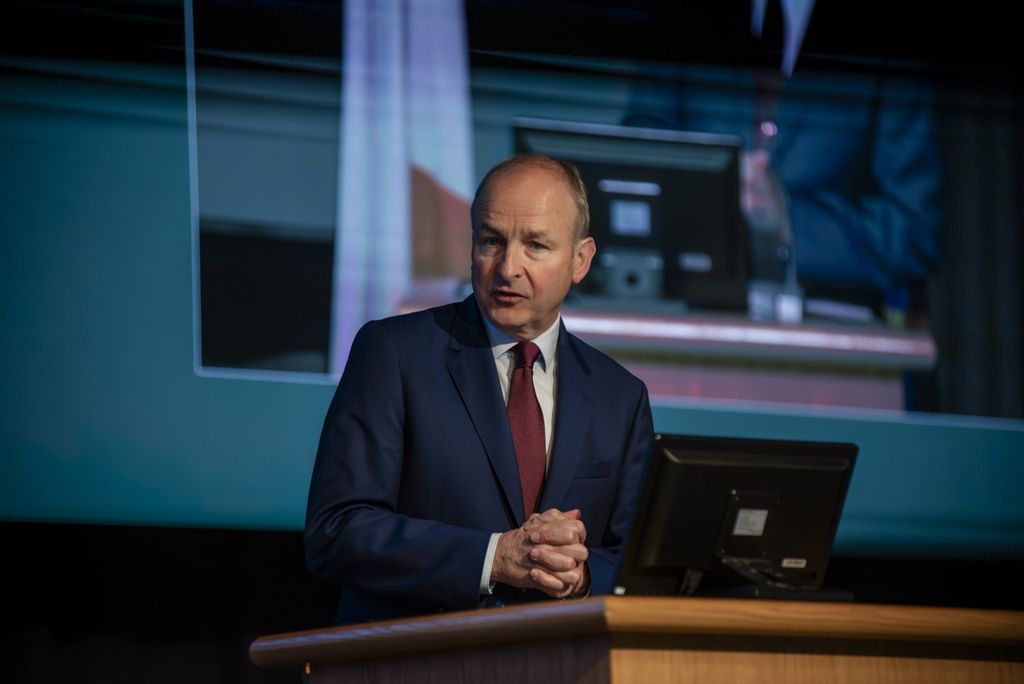
The event this today was attended by Taoiseach Micheál Martin, as well as Minister Byrne.
Ahead of Ireland's EU presidency, the EESC will prepare eight 'exploratory opinions' on behalf of the Irish presidency on areas of "mutual interest and priority".
One of those opinions is on the EU Livestock Strategy, which is set to be presented by the European Commission sometime during the six months that Ireland holds the council presidency.
Commenting on this strategy and the EESC opinion on it, Minister Byrne said the EESC exploratory opinion on will "support our presidency's work in agriculture and rural development, as the commission's livestock strategy is published during our term".
"The EESC is ideally placed to balance environmental objectives, animal welfare standards, rural livelihoods and global competitiveness in a way that reflects the full range of stakeholder respects," Minister Byrne added.
He was also quizzed from the floor as to how Ireland intends to support agriculture during the the EU presidency.
The minister said: "The biggest priority for Ireland, I would say, would be the Common Agricultural Policy (CAP)…for agriculture and for fisheries as well.
"We're old school on the Common Agricultural Policy.
"We believe that it's about food production, it's about retaining small farmers, the type of farm Séamus [Boland] grew up on, and my mother grew up on, with very, very small farms, [like] where my wife's from," he said.
"These are small places, but they’re essential to society, and essential to the food supply as well, and we can't always take that for granted. So agriculture would be a very high priority," Minister Byrne added.
EESC
The EESC has been requested by the Irish government to work on several joint priorities including housing; competitiveness; digital regulation; tackling poverty; and the EU’s approach to livestock, to ensure that the voices and expertise of civil society, employers and workers are heard in EU policy making during the Irish council presidency.
The next six months will mark the first time that the EESC will have an Irish president while Ireland holds the EU council presidency.
Speaking at the meeting, Taoiseach Micheál Martin said: "The ability of governments, employers, trade unions and organised civil society to engage constructively with one another is fundamental to democratic stability and to effective policymaking. The EESC is a vital link between civil society and the European Institutions.
"The voice of civil society matters. It matters because Europe cannot succeed through institutions alone. It succeeds when citizens feel ownership of the European project, when workers, farmers, entrepreneurs, voluntary organisations and local communities all feel that they have a stake in shaping Europe’s future," he added.