Embracing new technologies 'essential for increasing output' in tillage

Embracing new technologies is "essential for increasing output and offsetting rising costs" for tillage farms, Teagasc has said.
Teagasc has highlighted the importance of upskilling farmers and the wider industry to become "early adopters of new technologies, including improved crop varieties and alternative crop types".
In a new report looking to the medium-term future for the tillage sector, Teagasc added that effective cost control measures will be "crucial to maintaining the current crop mix and ensuring farm profitability".
Roadmaps
Teagasc has published a new series of 'Enterprise Roadmaps' looking forward to 2030 across seven agricultural enterprise areas.
These are: dairy; beef; sheep; pigs; tillage; horticulture; and forestry.
These documents provide an update to the previous version (published in 2020) and are a “best estimate projection” of where each sector is headed.
Projections are based on the current known mix of economic, social and policy drivers, according to Paul Maher, head of international relations and corporate strategy in Teagasc who co-ordinated the roadmaps update.
Each document sets out some key sectoral statistics, trends and key performance indicators.
Tillage sector roadmap
Teagasc outlined in the tillage document that in recent years, the total land area under tillage crop production has varied due tovolatility in profitability, extreme weather events and increased competition for rented and leased land.
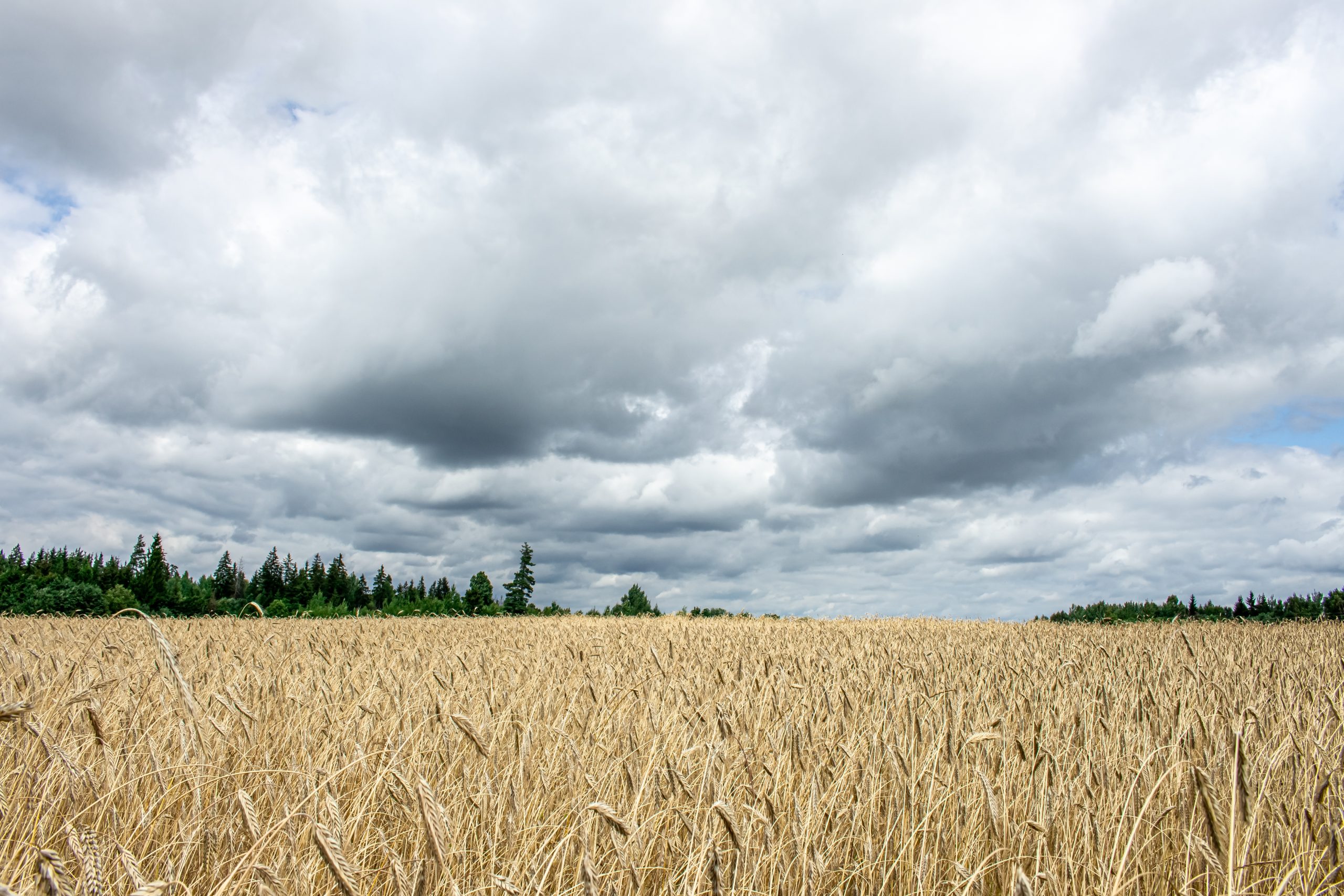
"Over 85% of tillage land area is under cereal production although there has been a substantial increase in land sown to beans and oilseed rape particularly in the last two years," the report reads.
"There may also be some potential for other cereal crops such as rye into the future."
Within cereals, barley is the largest crop (70%) followed by wheat (20%) and oats (10%) with some variation each year due to factors such as weather and responses to market signals.
There is also variation in crop sowing date with two-thirds of the barley sown in spring, while 90% of the wheat is winter-sown and it is more evenly-balanced for oats.

Challenges and responses
Teagasc has outlined a number of challenges the tillage sector faces in the coming years.
"The tillage sector will see continued volatility due to global production swings in response to consumption, climate changes, international conflict," it said.
"Teagasc is focusing on the development of profitable, low carbon, climate adapted systems which are resilient in the face of international market fluctuations and offer the potential for added-value into premium markets."
This is for the primary yield but also via the valorisation of crop residues or processing waste products, Teagasc said.
The report outlines that market demand "continues to grow" for plant-based products which "has yet to be exploited fully".
Teagasc said it is working to provide "innovative solutions for new product formulations and novel processing technologies to support the generation of plant-based ingredients for the food and feed industry".
Development
Teagasc also highlighted that successful tillage farming will be "key" to the balanced development of agriculture and rural economies.
It said a "new and more diverse range of crops will need to begrown for food and non-food use".
The report also notes that the public is becoming "increasingly concerned" with issues regarding the best use of pesticides.
"Robust integrated pest management is central to Teagascprogrammes through modern approaches to crop breeding and management to support the safe and judicious use of pesticides to preserve crop yield and quality," it added.