Eight field work priorities for tillage farmers

With land starting to dry out, Teagasc has confirmed eight field work priorities that can be addressed by tillage farmers over the coming days.
Job number one is to apply compound fertiliser to winter wheat and oat crops. Many of these are starting to show signs that they are getting hungry.
While ground is only starting to dry out, this is where ploughing will have a benefit.
In reality, ploughed ground will dry out quicker than min-till or direct drill.
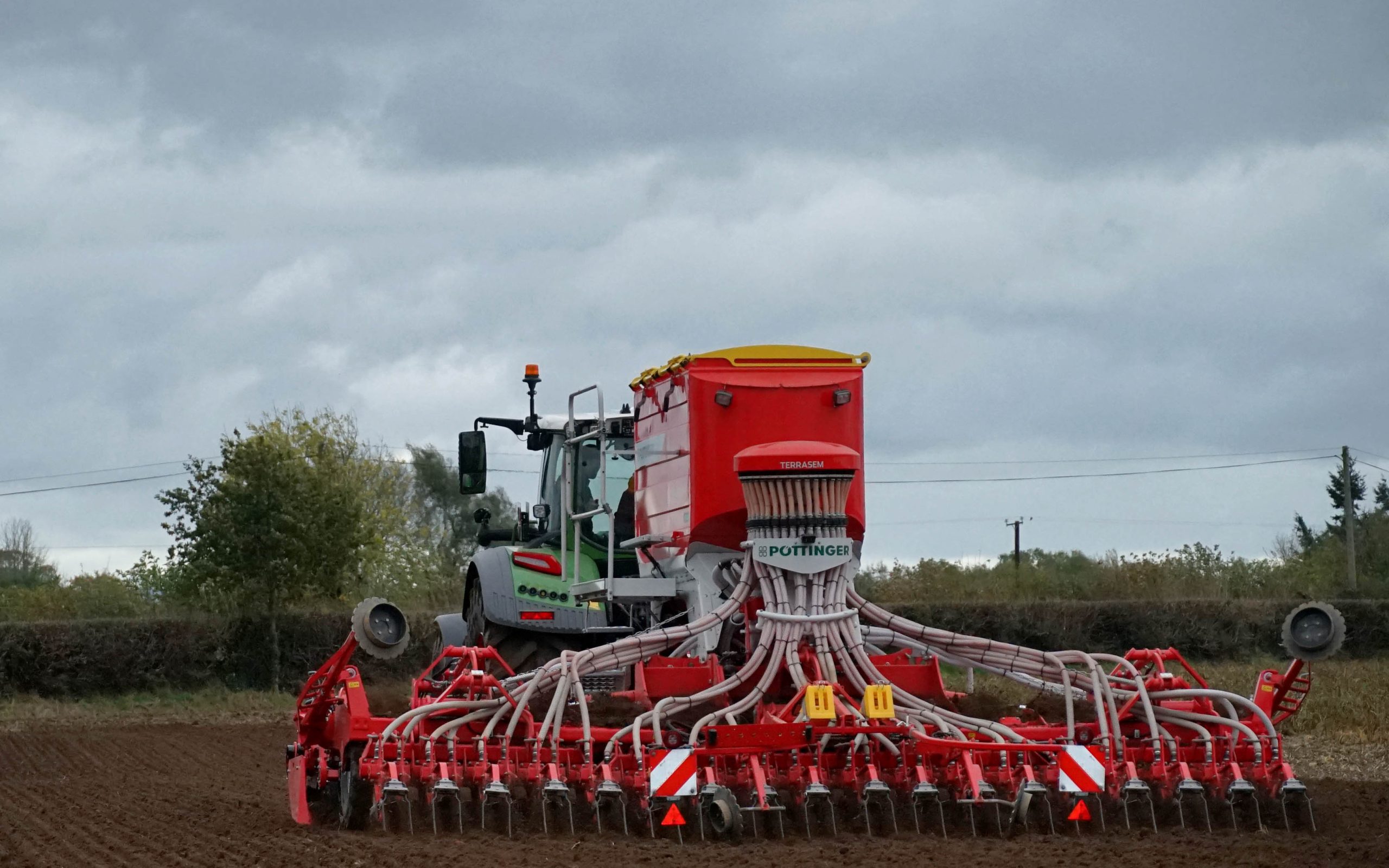
This paves the way for the establishment of spring beans, spring barley and spring oats.
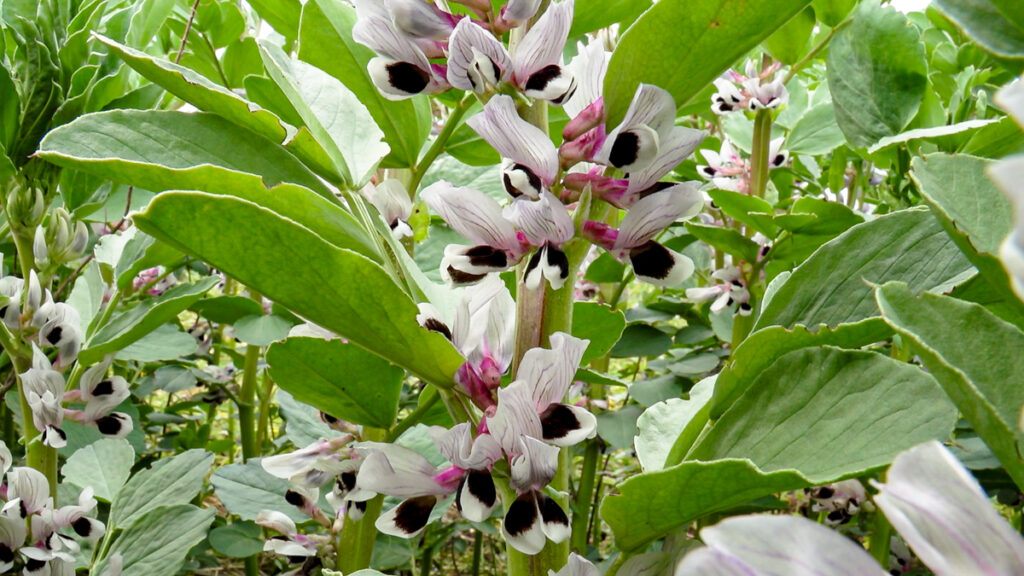
Ideally, all three crops should be sown before the end of the month.
However, it should be noted that ground conditions are particularly important when it comes to this type of field work being carried out, especially with reduced cultivation systems.
Oilseed rape
Meanwhile, many winter oilseed rape crops will start to flower in the coming days and weeks.
So, it is a case of getting the main split of nitrogen applied, if this has not already been done.
Where growers do not have access to high clearance spreaders or access to liquid nitrogen, this will probably be the last application of fertiliser to the crop.
Winter barley
The main split of nitrogen should be applied to winter barley over the coming days.
Crops are moving into stem extension phase now and the big demand for nitrogen is only a few weeks away.

Another priority job is that of tidying up weeds and applying growth regulators (PGRs) on winter barley crops
Some of the early developing varieties - for example, Joyau - are now at growth stage (GS) 30 and so will benefit from a PGR application.
Herbicide
Crops will also need a wild oat herbicide and possibly also a tidy up of broadleaf weeds plus or minus a trace element, depending on the field.
Growers should try to split the applications in two so as not to stress the crop too much with the wild oat application going in the first application.
In this context, it can be partnered with either the broadleaf weeds or PGR.
Growers should also be aware of the detrimental impact that can be caused by frosty nights, where this work is concerned.
Spreading organic manures is also important at this time of the year.
However, this can often be a slow job as contractors are under significant pressure at the moment, so growers should make sure to contact the contractor in time to give them a chance to catch up on their work.
Spring barley
Drilling spring barley crops as early as possible is important, but ground has only just started to soak out and warm up.
Spring barley likes to hit the ground running, so conditions at drilling time are more important than the date.
Winter wheat and oats
And, finally, now is the time to address outstanding weed control issues in crops of winter wheat and oats.
Many crops have received nothing since they were sown, so growers should try to get weeds under control before they get too big: especially where grass weeds are a problem in wheat.
It’s also a good time to apply the first application of a PGR but again, it is a case of watching tank mixes.
Growers should also keep an eye out for yellow rust on wheat varieties like Champion, Graham, etc. that are susceptible as the weather dries out.
In these cases, a T0 fungicide will have to be applied.