Early signs of price recovery in European pig market - report

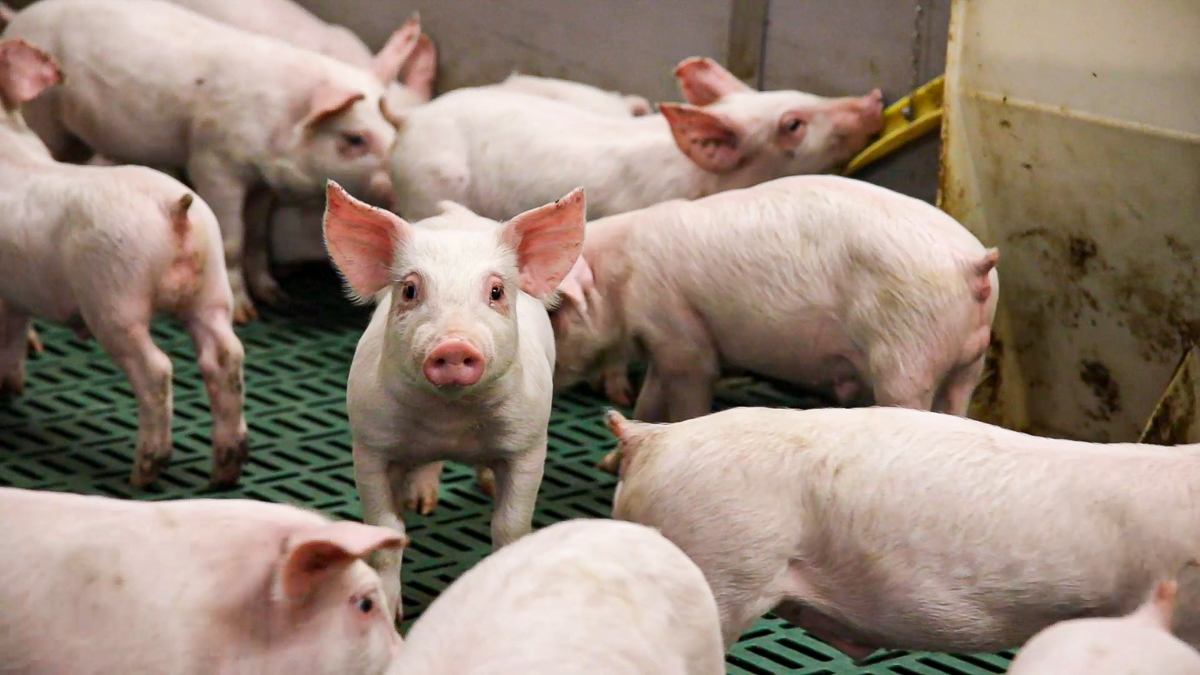
The European pig market is showing early signs of price recovery as seasonal demand starts to build in parts of the supply chain, according to a new report.
Dutch firm, DCA Market Intelligence has launched new benchmark pork price indices to provide further information on market developments.
The piglet price index developed by the price reporting agency draws on data from Belgium; Germany; the Netherlands; Spain and Denmark.
The live pigs and pork price indices are based on information from Denmark; Germany; the Netherlands; Spain; France and Poland.
According to DCA, these country data sets are intended to "reflect a significant share of EU production, movements, and slaughter activity".

The latest readings of the DCA EU pork indices point to "stabilisation across several parts of the market".
Piglet prices have risen by nearly 47% since week 3, reaching €56.20/head by week 9, as producers secure piglets ahead of expected slaughter demand later in the year.
The report shows that price increases have been particularly noticeable in Spain (€68.75/head) and Denmark (€56.46/head).
Pig market
DCA said that carcass and live pig prices are also moving higher, but "at a more gradual pace".
Since week 3, the carcass price has increased by 5.2%, with stronger weekly gains recorded in weeks 8 and 9.
Live pig prices followed a similar trend, including a 2.8% increase in week 9.
The report shows that carcass prices have reached €1.63/kg in Poland and €1.60/kg in Germany, with the Netherlands also showing a similar upward trend.
Despite the recent recovery, DCA said that prices across the region remain below their five-year averages, which suggests there may still be room for adjustment in the coming weeks.
Eric de Lijster, head of PRA at DCA Market Intelligence, said these new indices aim to strengthen price transparency by consolidating fragmented national prices into a consistent European benchmark framework.
"European pork markets are highly interconnected, but price discovery still largely takes place through national quotations.
"These indices provide the market with a structured reference point for monitoring price developments across Europe," he said.