€200k to help west Kerry farmers achieve greater carbon efficiency

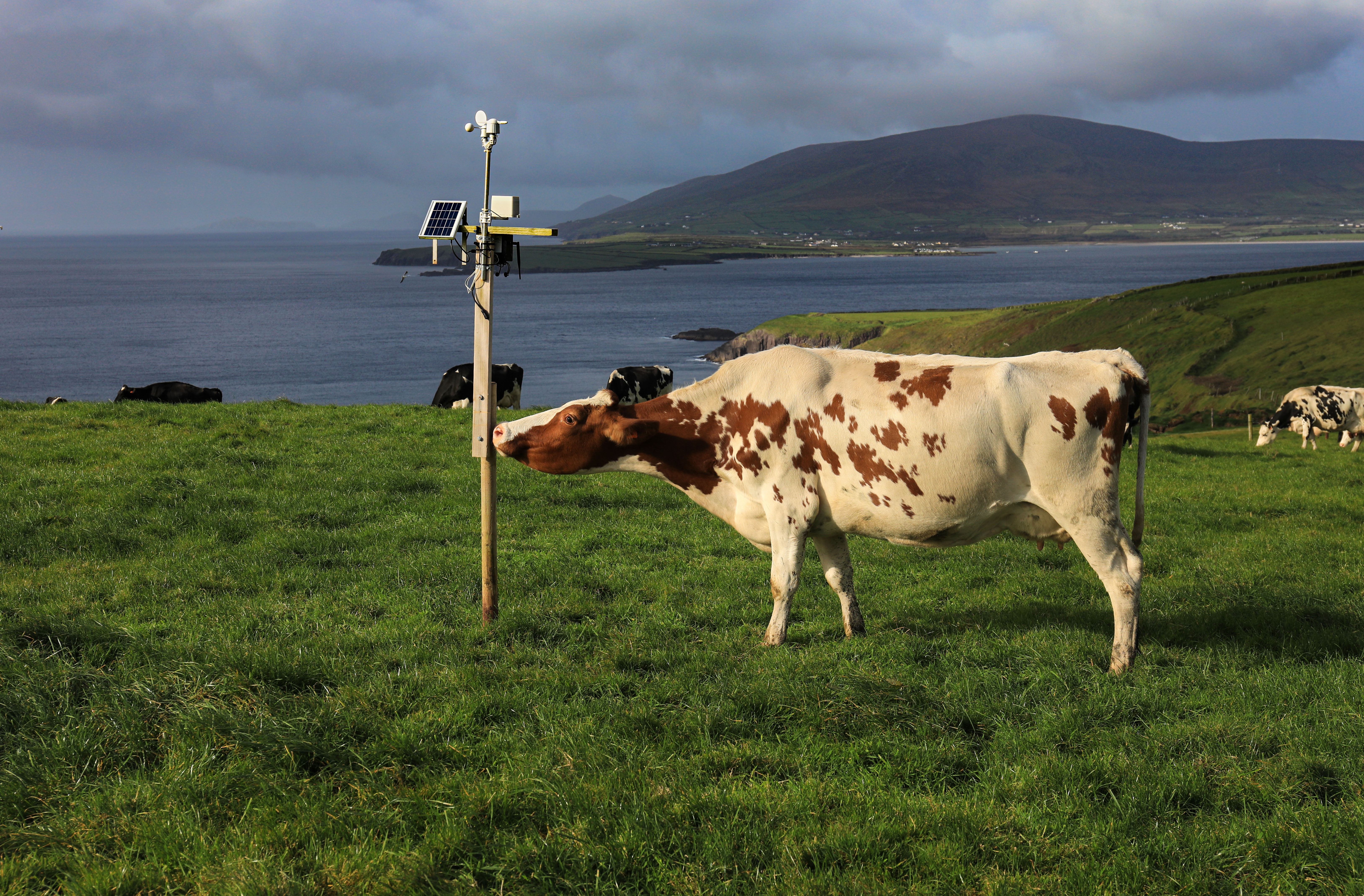
Dingle Creativity and Innovation Hub has been awarded €220,000 EU Horizon 2020 funding to enable west Kerry farmers to participate as a Sustainable Innovation Pilot (SIP) for the next three years.
This will see the roll-out of sensor technology to 30 farms to achieve greater carbon, cost and labour efficiency. Increased carbon efficiency will be achieved by extending the grazing season.
Starting this month (October), the Dingle Hub will collaborate with Teagasc, the Irish Farmers’ Association (IFA), local Dingle hub-based technology provider Net Feasa and Kerry agri-business to roll-out the sensor technology currently being piloted through the Farm Ambassador Project to a further 30 farms on the peninsula.
The ‘real-time’ data collected describes current and predicted weather and soil conditions, grass growth rates and key environmental indicators.
This SIP will integrate farming enterprises with related value chains, such as agri-tourism and/or food tourism, through enabling farmers to work with technology providers, data analysts and marketing teams.
It is hoped that facilitating collaborations across the value chain will support and enable co-created, innovative solutions to both address climate change and support the financial viability of farms.
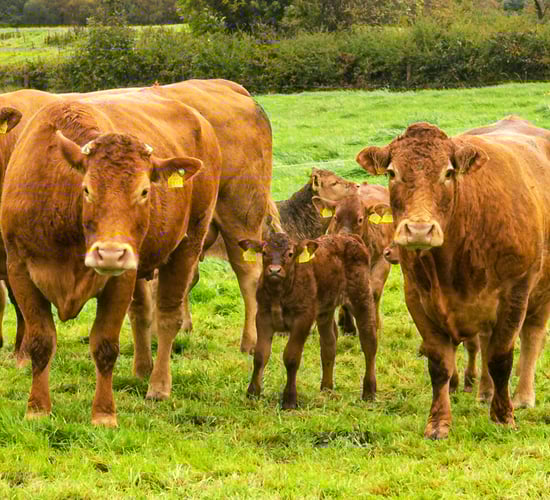
Specifically, increased carbon efficiency will be achieved by extending the grazing season; for every 10-day extension in the grazing season there is a 1.7% decrease in greenhouse gas (GHG) emissions.
It is anticipated that the grazing season could be extended by 10 days on the Dingle Peninsula through good grassland management achieved through use of the sensor technology.
This 10-day extension of grazing will also mean increased profit for the farmer; for every 10-day extension in the grazing season, profit is increased by €27.00 per dairy cow (source: Teagasc Dairy Carbon Navigator).

The Dingle Hub will be advertising Expressions of Interest in the coming months for members of the farming community who wish to get involved in the SIP.
Food miles are a way of attempting to measure how far food has travelled before it reaches the consumer. It is a good way of looking at the environmental impact of foods and their ingredients.