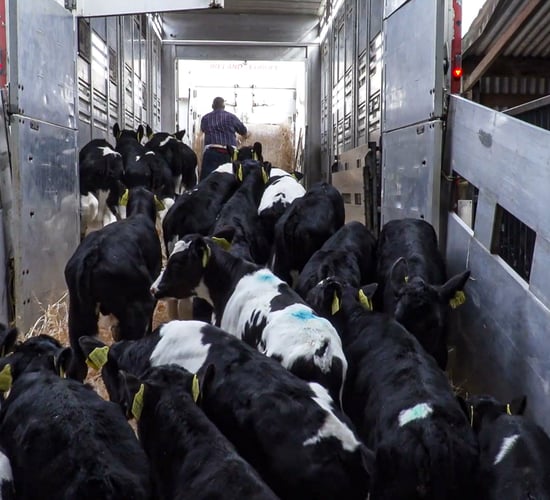
Don't let scour catch you off guard late in the season

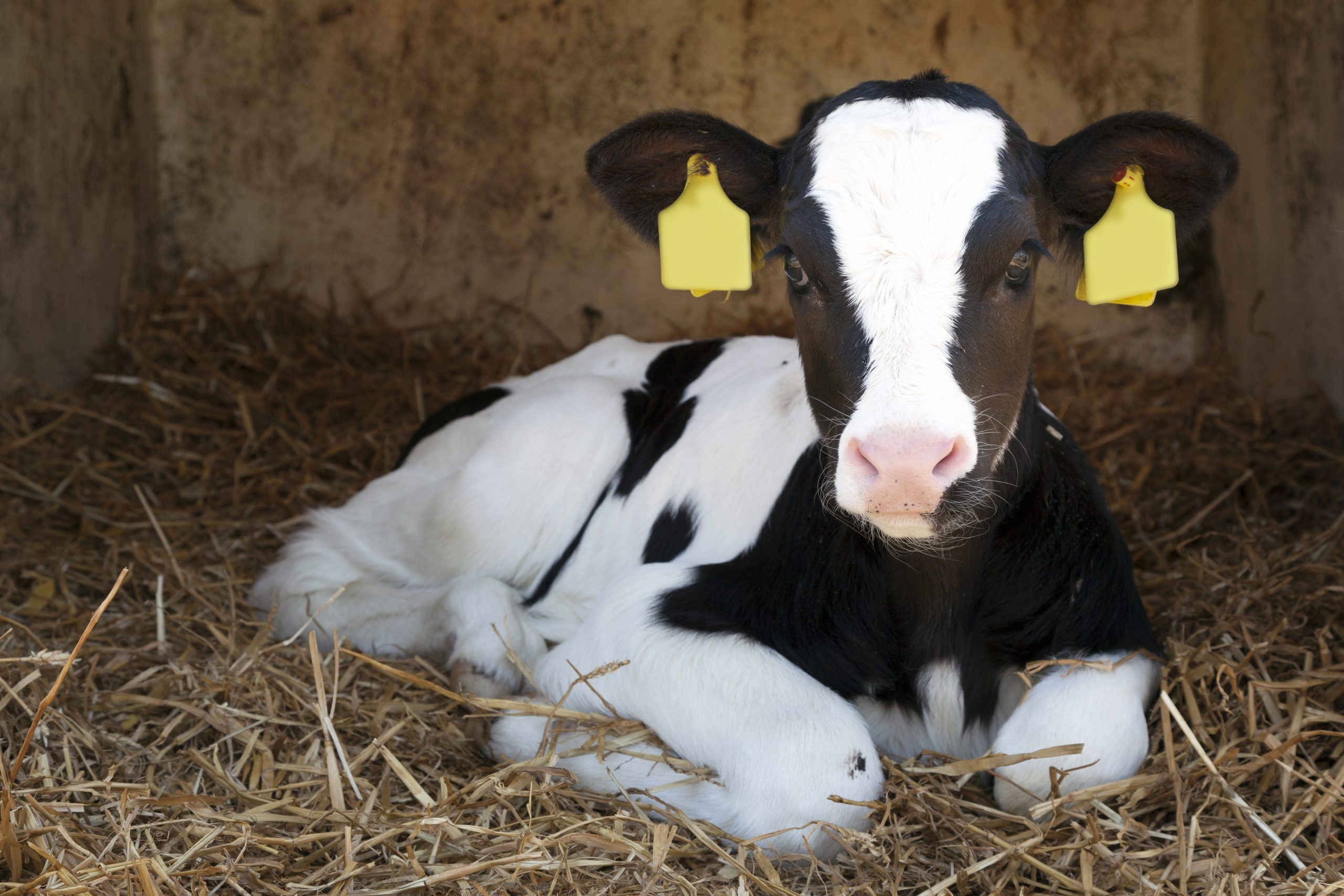
There may not be as many cows calving down at this stage of the season, but the threat of calf scour is still growing as pens fill and the bacterial load multiplies.
Although it seems to have been short-lived, we finally got some warm sunny weather at the end of last week.
While it may be good for grazing, it could also prove dangerous for calves, considering that bacteria thrives in mild conditions.
On the upside, scour-causing bacteria typically need damp conditions as well as warm temperatures to thrive in.
Therefore maintaining a high standard of hygiene in the calf shed may be enough to keep the deadly infection as good as out.
This is generally easier said than done, especially with how hectic the season is - it can be easy to take the foot off the pedal in terms of cleaning out bedding.
With the weather set to turn damp yet again this week, but remaining relatively mild, upkeeping hygiene must be considered crucial.
Calf scour
Scour is the result of a badly damaged gut, and although eliminating scour is virtually impossible, it is possible to reduce the number and severity of cases, which is important considering the infection is the biggest killer of young calves.
Make sure the calf is in a pen that is dry and comfortable by carrying out the knee test; if your knee comes back up damp from kneeling in the bedding, there is not enough straw being allocated to the calves.
It may seem like a hassle but clearing out pens regularly and putting in new deep beds of straw can be life saver. Take an hour or two to do a pen rather than lose a calf or two to disease.
A setup such as the following allows for calves to be held in the feeding area, while a tractor can quickly pull in and clean out the bedding.

At this stage of the season, it is important not to let the cleanliness of the feeding equipment slip either.
Make sure that all teats and buckets are thoroughly washed with hot water after every use, and cleaned with a detergent and descaler after every few feeds.
If a calf does go down with scour, it should be removed from the group immediately in a bid to stop the spread of the infection to the rest of the calves.
While the calf scours, it looses large volumes of water leaving it susceptible to dehydration.
Therefore the calf should be fed their usual 4L of fluid, as well as an additional 4L to replace the fluids already lost, feeding an extra 2L of electrolytes is also recommended.
If the calf is too weak to suck or drink the electrolytes, the calf should be stomach tubed to get something into the system.
It is important to remember that electrolytes should not replace milk feeds and the calf should continue to receive her milk throughout the day which will help with recovery and help with the healing of the intestine while continuing to hit growth targets.