Detections of bird flu start to decline across Europe - report

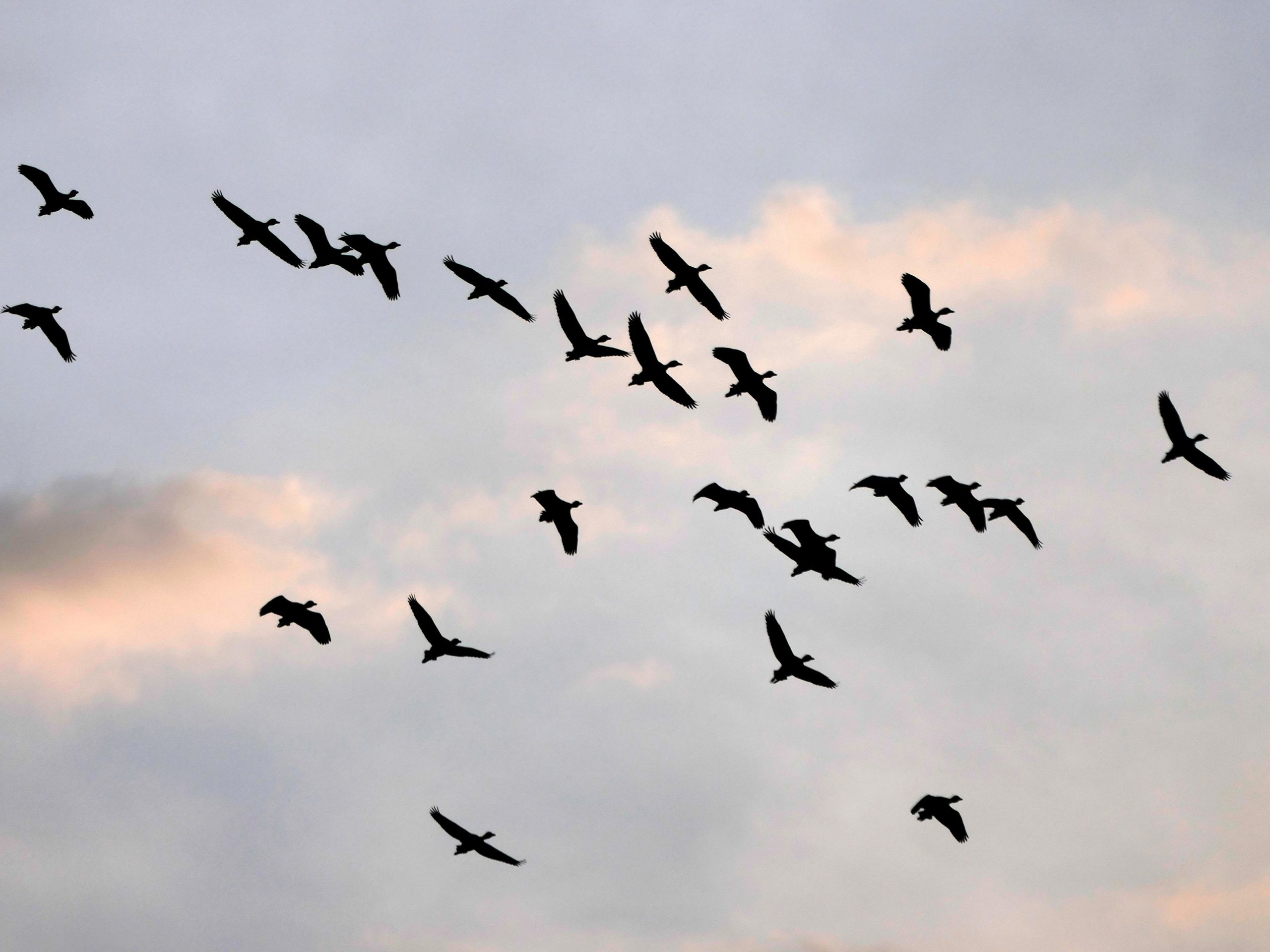
Detections of avian influenza (bird flu) in birds in Europe have begun to decline, according to a new report from EU health officials.
This follows an autumn and winter period in which bird flu circulation in waterfowl reached its highest level in five years.
According to the latest quarterly monitoring report from the European Food Safety Authority (EFSA), the European Centre for Disease Prevention and Control (ECDC) and the EU Reference Laboratory (EURL), the number of recorded outbreaks is higher overall than recent years for the same period.
The report noted that the risk posed by bird flu to the general public remains low.
Bird flu
Between November 29, 2025 and February 27, 2026, authorities reported 406 outbreaks of bird flu in domestic birds and 2,108 in wild birds across 32 European countries.
The report states that cases in domestic birds were similar to the same quarter in the past two years.
However, detections in wild birds were three times higher than last year and almost five times higher than two years ago.
Since December, detections have moved onto a downward trajectory, "in line with the expected seasonal pattern towards spring".
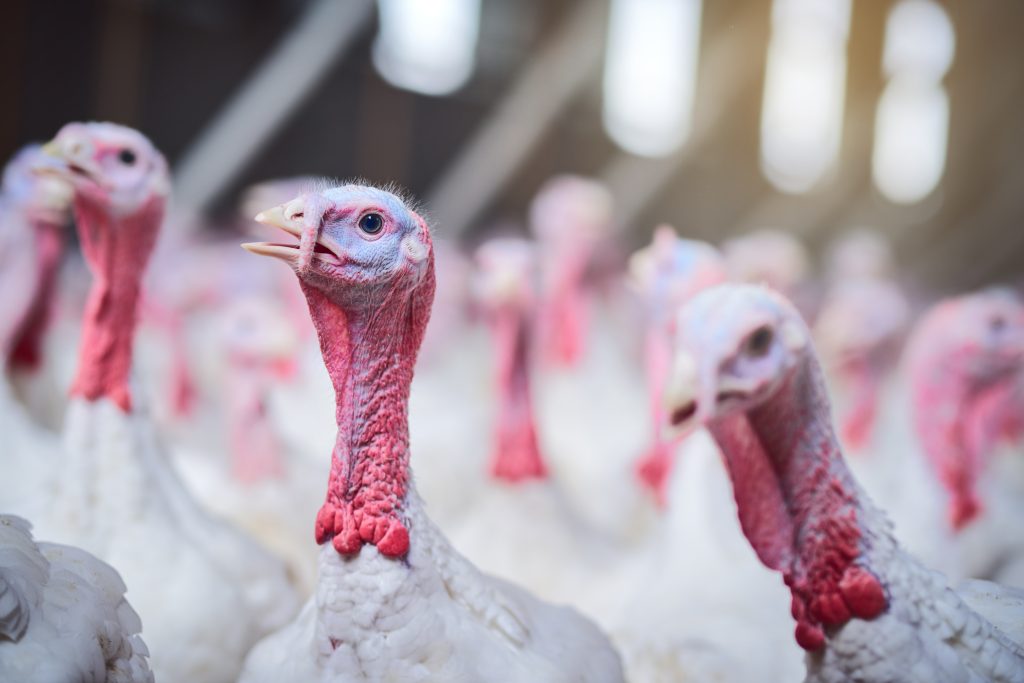
The officials said that most infections on poultry farms stemmed from indirect contact with wild birds and with from farm-to-farm spread being rare.
"These findings underscore the importance of applying strong biosecurity measures to limit introduction from wildlife and farm-to-farm spread," the report said.
Although the overall trends in cases in birds have declined since December, there has been a small rise in detections in mammals.
In January, antibodies against bird flu were found in a cow on a farm in the Netherlands.
This marked the first time bird flu had been confirmed in cattle in Europe.
Tyrone
Last week, the Department of Agriculture, Environment and Rural Affairs (DAERA) confirmed a new outbreak of bird flu within a poultry flock in Co. Tyrone.
A Temporary Control Zone (TCZ) has been established around the poultry premises near Omagh.
The chief veterinary officer (CVO) for Northern Ireland, Brian Dooher said the decision to enforce the TCZ was based on a number of factors, including the clinical signs and preliminary results provided by the Agri-Food and Biosciences Institute (AFBI).
An order to humanely cull all poultry on site was also made by the CVO as a precautionary measure to mitigate onward disease spread.