Designing this spring's nutrient management plan

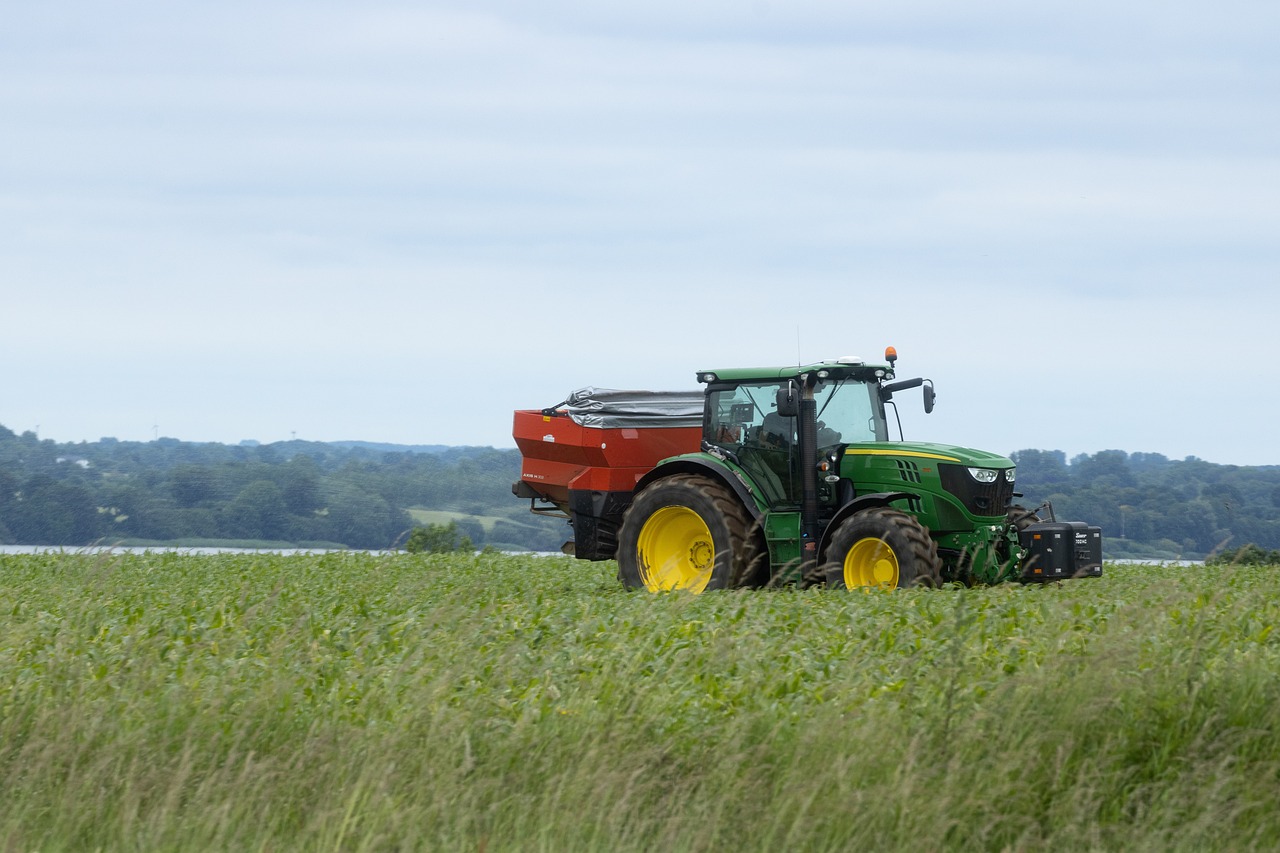
Despite the heavy rain and housed cows, it may be worth preparing a nutrient management plan now ahead of spreading fertiliser.
Completing a nutrient management plan has become an essential task on dairy farms in the past few years.
Given the unpredictability of the weather, and the constraints around how much fertiliser can be used, a well-designed plan can help farmers maximise grass growth efficiency and reduce fertiliser wastage.
Reducing wastage will be crucial for farmers this year, as milk prices stay low and the cost of fertiliser begins to rise again, with the Carbon Border Adjustment Mechanism (CBAM) well and truly in place.
This rise is clear, as a tonne of protected urea has gone from approximately €545 to €600 over the last month alone, and it is looking like prices may continue to rise.
Nutrient management plan
Nutrient management plans are second nature to derogation farmers at this stage, as they have been obliged to create them for the past number of years.
However, farmers who are not in the derogation often do not create nutrient management plans and end up using their fertiliser budget inefficiently.
Completing a nutrient management plan will allow you to balance nutrient inputs (mainly N, P, K and lime) with crop requirements.
The plan will help you choose the most suitable fertiliser types and amounts for your farm.
Been prepared will let you get out with fertiliser as early as possible, which is crucial as grass covers continue to build in the wet conditions, depleting nitrogen resources.
Half a bag/ac will cost you about €14.25, but it will grow the feeding equivalent of one high quality bale of silage, which costs approximately €50.
Nitrogen response in early spring can come in anywhere around 10kg dry matter per 1kg nitrogen applied.
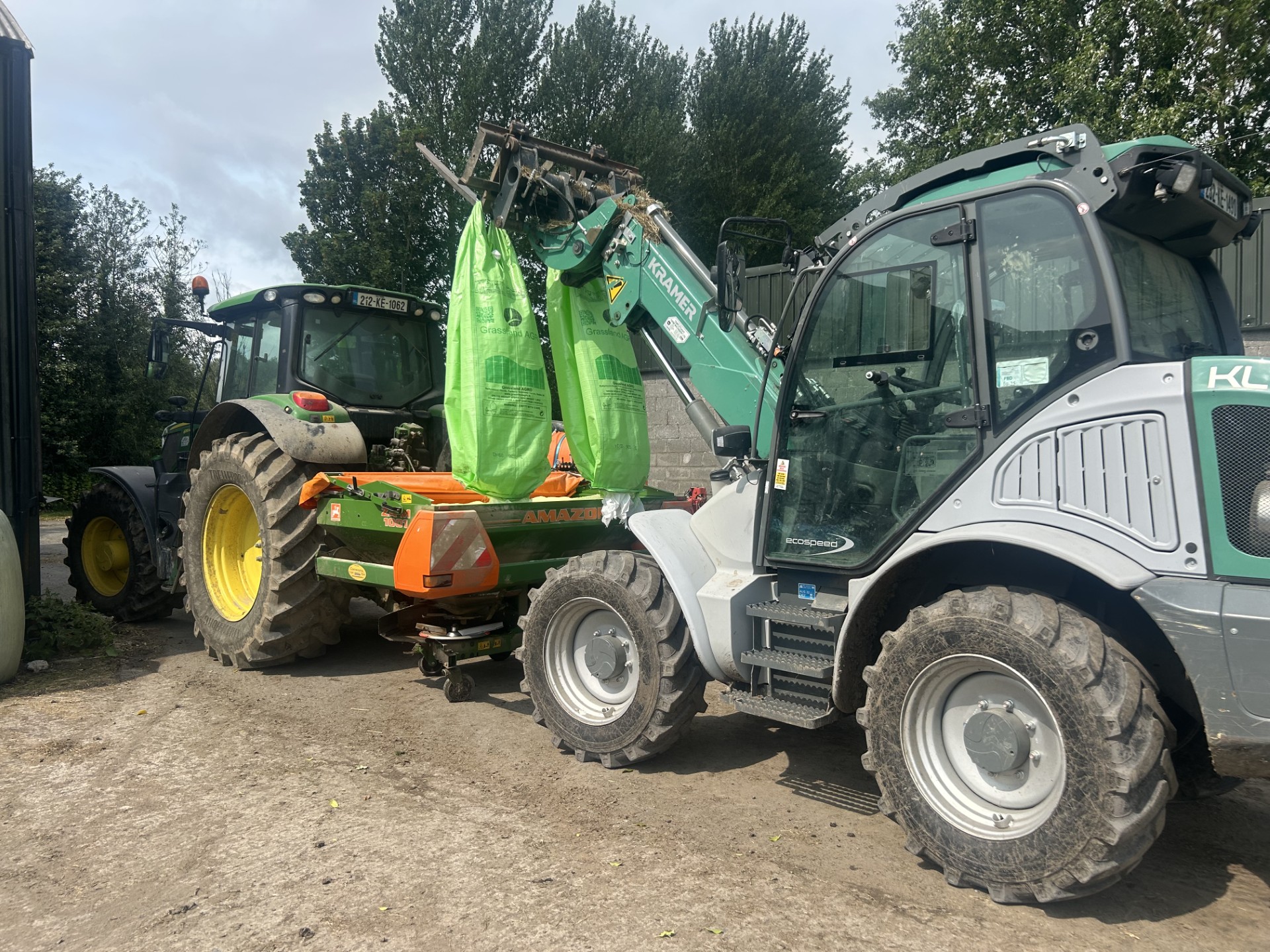
Nutrient planning allows farmers to maintain appropriate soil fertility by applying the right fertilisers in the right place and at the correct rate.
Most farms used to aim to have near 100 units of nitrogen spread by May 1, but with fertiliser constraints aiming for 80 may be more suitable.
And even though the weather is poor, soil temperatures are adequate for spreading fertiliser, so at the next break of 3-4 days of dry weather, farmers should be trying to get it out if pasture conditions allow.
Soil samples
The nutrient plan will be directly linked to the farm's soil samples, so remember, where soil samples are not taken, Index 4 for P will be assumed, which means no chemical P or imported P can be used on these farms.
Soil samples are only valid for four years and if they are out-of-date, an index 4 will be assumed.
It is important to get them updated if necessary in the coming days before more nutrients go out.
N and P allowances are not always straightforward and can often be confusing to calculate, which means your limits and a plan should be discussed with your adviser.
Preparation
Farmers will need their previous year's grassland stocking rate (GSR) to work out their 2026 allowances for N and P.
This is calculated by getting the total N from grazing livestock and dividing it by the grassland area in 2025.
You will need to provide the total tonnage of concentrates fed to grazing livestock in 2025 and the total N from grazing livestock.
Every farm is unique, so careful assessment will be needed to ensure the correct measures are implemented. Speak to your local adviser if you have any concerns.