Dairy Focus: Preparing for dry-off on an award-winning farm

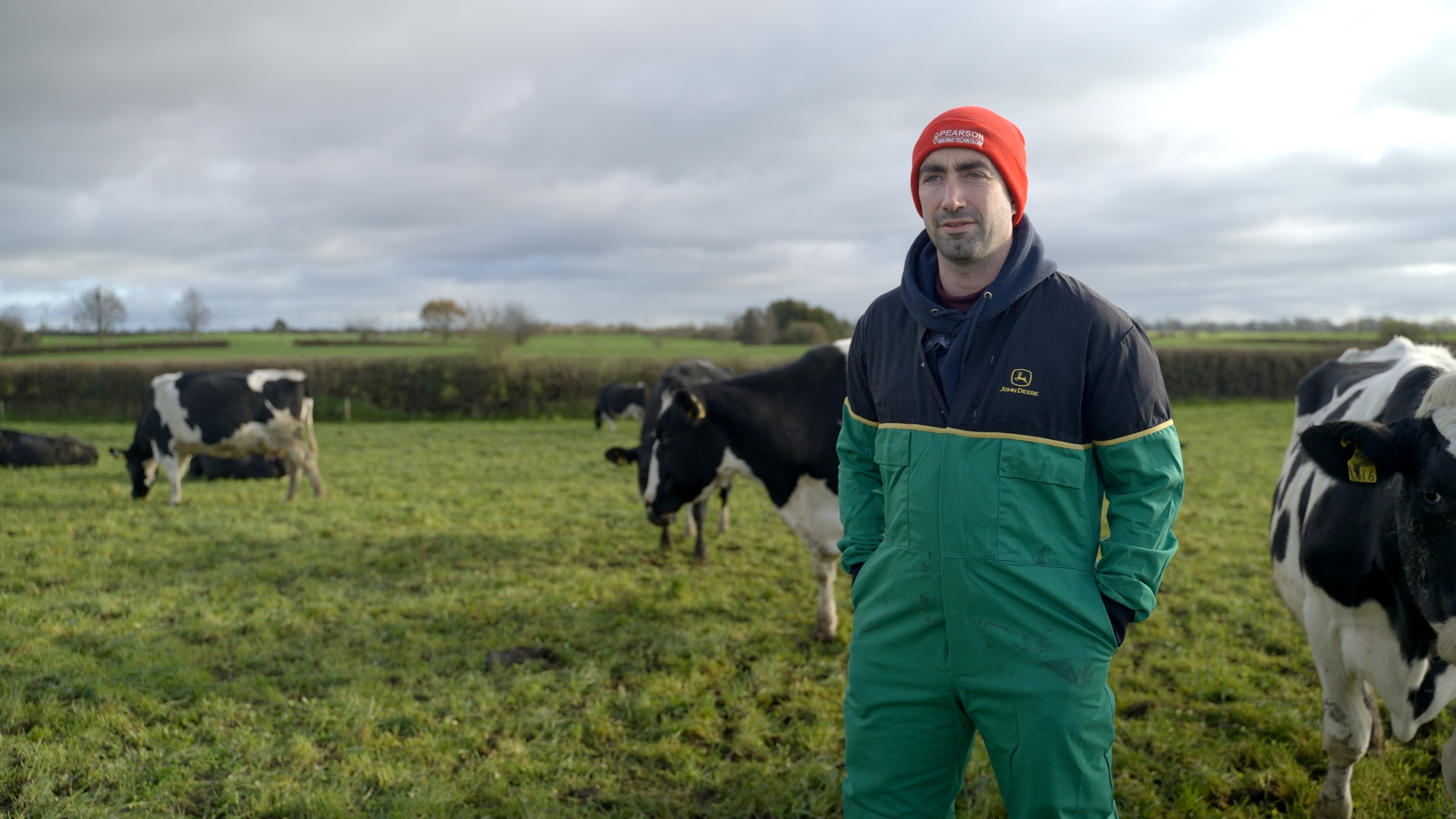
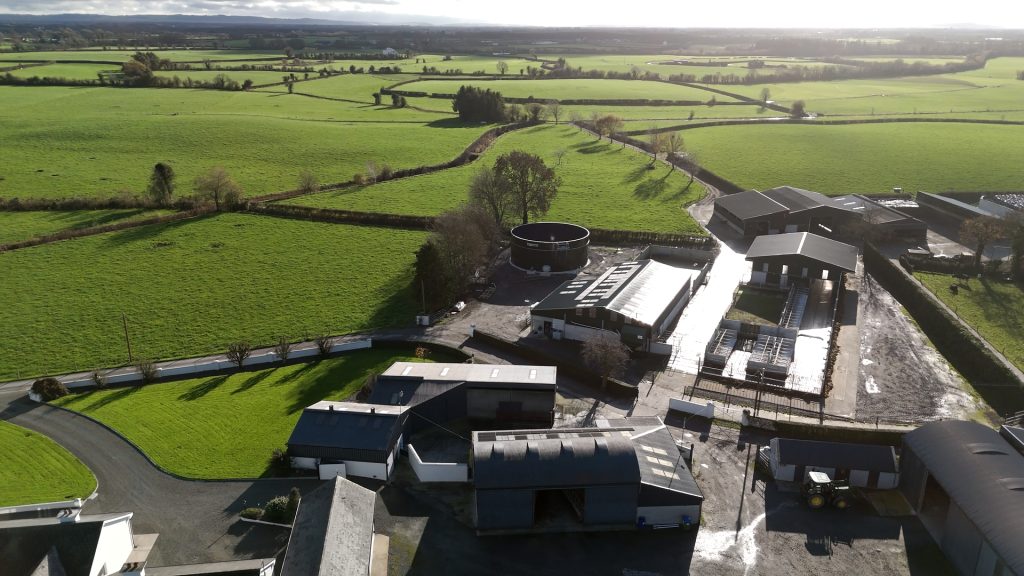
Agriland visited the farm of Tom, Mary and their son Michael Ryan in Lisheen, just outside Thurles in Co. Tipperary, to see how an award-winning herd is preparing for dry-off.
Michael, who is in a partnership with his mother and father, recently won the 2025 NDC and Kerrygold Quality Milk Awards.
The farm, which is milking 152 black-and-white cows, is still producing approximately 13L of milk/cow at 1.3kg of milk solids (MS) in the late season, aiming for roughly 560kg MS/cow in 2025.
Michael returned home to Thurles from college in 2018 and entered a partnership with Tom and Mary.
The expertise of the three combined has led to the farm excelling in the last number of years; a situation they would not have expected 30 years ago after the herd was wiped out with brucellosis.
Dry-off
Currently, the main emphasis on the farm is finishing out the final rotation and drying-off the herd.
The Ryans manage to keep somatic cell count (SCC) under 100 for the majority of the year due to their exceptional animal welfare and hygiene practices throughout the season and at dry-off.
Michael completed his final milk recording of the year this week, which will give him a stronger understanding of which cows can receive selective dry cow therapy (SDCT).
Monitoring the cows through this milk recording alongside their smaXtec boluses has allowed the Ryans to have 30% of the herd on SDCT in 2024/2025, with a higher figure expected in 2025/2026.
Michael said planning for dry-off realistically begins in the previous autumn.
The farm follows rigorous criteria when drying off, with only cows who have never surpassed 50 in their SCC readings being put forward for SDCT.
The farm does allow cows climb to 60-70 in the final recording, as SCC will naturally rise.
Any cows that are put forward for SDCT must have a clear California Mastitis Test (CMT).
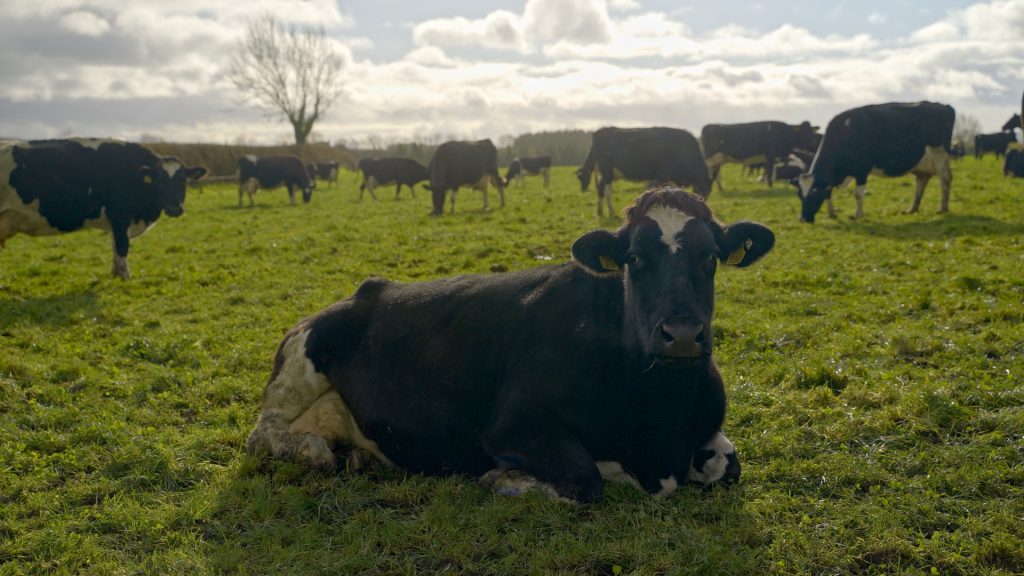
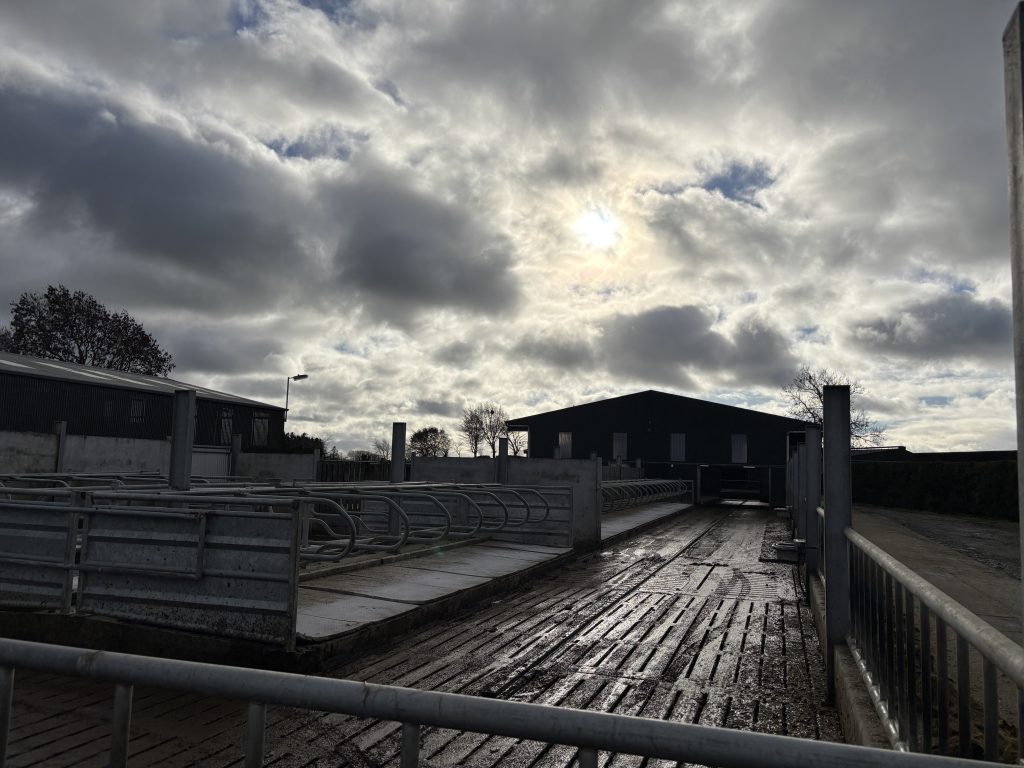
Once cows are dried-off, a huge emphasis is put on the hygiene of cubicles, which are regularly cleaned and limed for the first two weeks following dry-off.
The cubicles are then maintained with once-a-day cleaning throughout the dry period, with a focus going back on them two weeks prior to calving until two weeks post-calving.
Michael is a firm believer that a well-formulated pre-calving diet is hugely influential on keeping SCC to a low.
Two weeks out from calving, the Ryans feed a kilo of meal alongside protein to help the cow through the diet transition.
He highlighted how a lot of their fields are high in potassium (K), meaning there is a lot of K in the silage that is the basis of the dry cow's winter diet.
For this reason, the Ryans started feeding their cows magnesium flakes.
Michael said he found this extremely beneficial, as it has reduced the amount of milk fever and therefore the amount of mastitis.
Prior to calving, the Ryans also pre-spray animals each day, especially heifers - as it gives them a chance to get used to the parlour.
After calving, each cow is pre-sprayed and each teat is wiped down.
In addition, the Ryans strip each cow for a week after calving.
Breeding
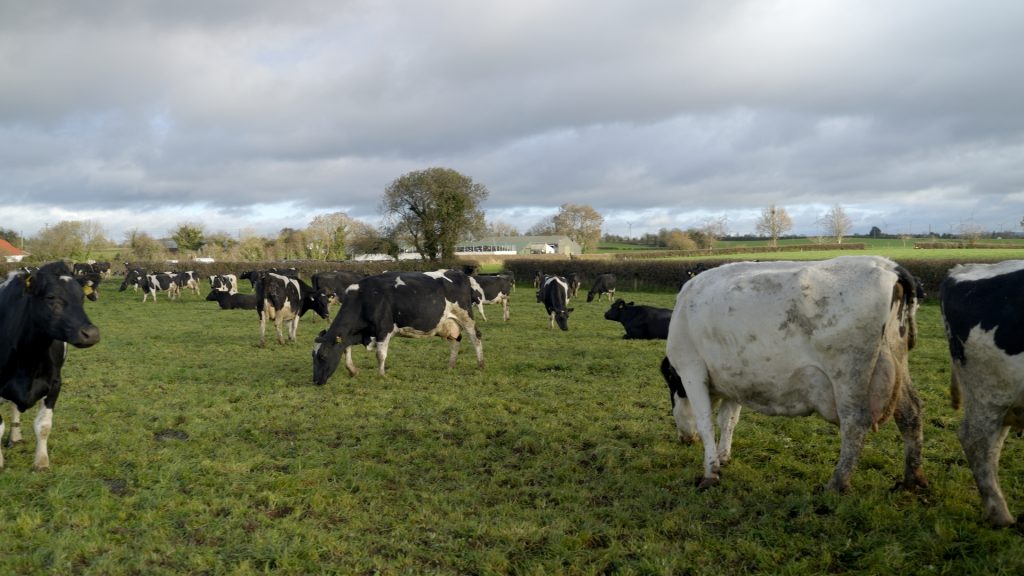
The Ryans' herd is currently pedigree registered, with the cows mostly being 50% Holstein and 50% British.
However, Michael noted how the gene pool seems to be a bit smaller for British Friesians, which does not suit their system, so they are currently aiming for 2/3 Holstein and 1/3 British.
The herd is high in Economic Breeding Index (EBI) with the Ryans' now putting a focus on breeding for higher percentages and less volume.
They are also breeding for certain traits such as reduced lameness on the farm.
Artificial insemination (AI) is used on the whole herd of milking cows, with 20% sexed semen used last year.
However, Michael said they are hoping to up that figure with the introduction of the SmaXtec boluses this year.
The sexed semen is allowing the Ryans to continue striving for quality genetic, while boosting profits through increased beef straws, which can be sold at a higher value.
Michael said AI is used on all heifers for 10 days, before a bull is introduced to finish up.
Grass
Michael referred to this year as a 'dream year' in terms of grass production, stating that the herd has had fresh grass in the diet since they calved.
The cows got out straight after calving in February by day, and went out full time at the end of March.
The farm was teased with a drought early in the year, but thundery rain saved them in mid-May.
Michael said they got a slight drought in August when they were hoping to be building covers.
However, he said he could not complain as they had plenty surplus bales in the yard already.
In terms of reseeding, approximately 10% of the farm was reseeded this year, with the majority of the farm all reseeded in last 12-13 years.
The Ryans have 6% of the farm in red clover, which is used for silage.
Michael said the rest of the farm is getting a clover mix when reseeding, however they lost some faith after last year's struggles with the crop.
Infrastructure
Michael praises the advancements in the farm's infrastructure on his father, Tom's welding skills, which has allowed them to achieve good housing and handling facilities.
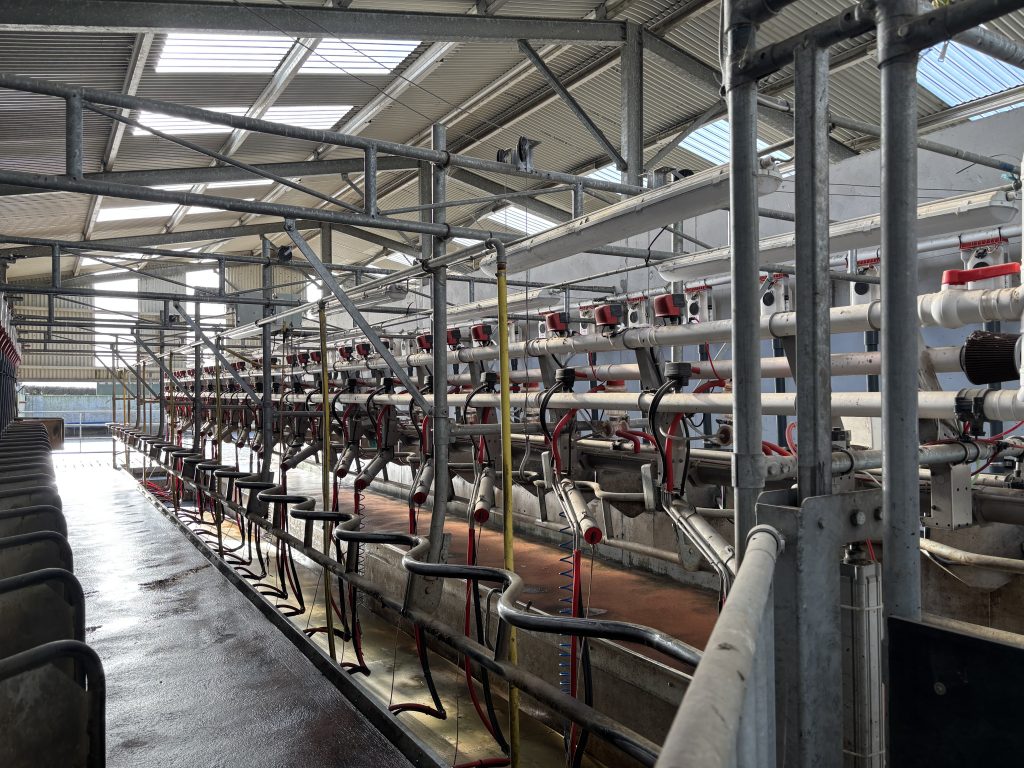
The Ryans are currently milking in a 20-unit swing-over Pearson parlour, which was installed in 2018.
Around the same time, the family heavily invested in handling infrastructure, installing drafting gate, large holding yard, and a foot bath.
The farm also has an outdoor cubicle area, with the cows having the option to go in or stay out.
Michael said the majority of them stay out there whenever they get a chance, unless it is raining heavily.
The Ryans are also installing a new slurry holding tank to free up slurry space.
Michael said it is bigger than what they need, with a holding capacity of 930m³.
However, he said it is a good step towards future-proofing the farm and also will ensure that they are not forced spreaders in the spring.