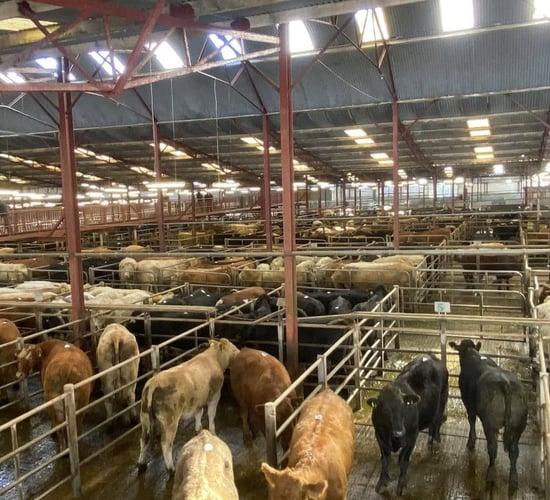
DAFM received 3 GAEC 2 appeals last year

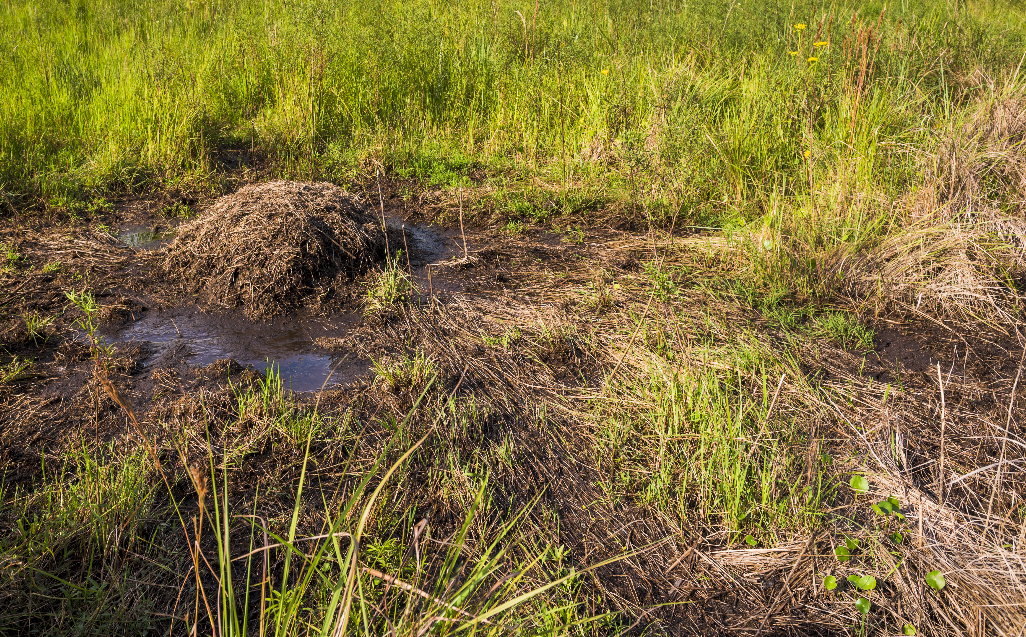
The Department of Agriculture, Food and the Marine (DAFM) has confirmed it received just three appeals from farmers against the second Good Agricultural and Environmental Condition (GAEC 2) last year.
GAEC 2 is a conditionality standard under the current Common Agricultural Policy (CAP) which is intended to protect wetlands and peatlands.
The condition formally entered into force on May 1, 2025, which means that any works carried out before that date do not come under the scope of the condition.
The department has said that under GAEC 2, the maintenance of an existing drain is permitted and replacement is acceptable.
However, new drainage on never-drained parcels of land will require planning permission or an exemption from the local authority, as is currently the case under national legislation.
DAFM
Land parcels with areas of 50% or more peat soil are determined as applicable to GAEC 2.
A peat soil is defined as organic soil materials which have sedentarily accumulated and have at least 30% (dry mass) organic matter over a depth of at least 45cm on undrained land and 30cm deep on drained land.
The depth requirement does not apply if the peat layer is over bedrock.
In response to concerns from farmers, DAFM has repeatedly stated that the standard is expected to have minimal effect on most farmers' day-to-day operations.
In July, the department launched an appeals process for farmers whose land fell under the condition.
"In relation to the number of GAEC 2 appeals received in 2025, the department received three appeals and they are currently being processed and a decision will be made regarding the appeals in due course," a department spokesperson told Agriland.