DAFM confirms bluetongue case in Tipperary herd

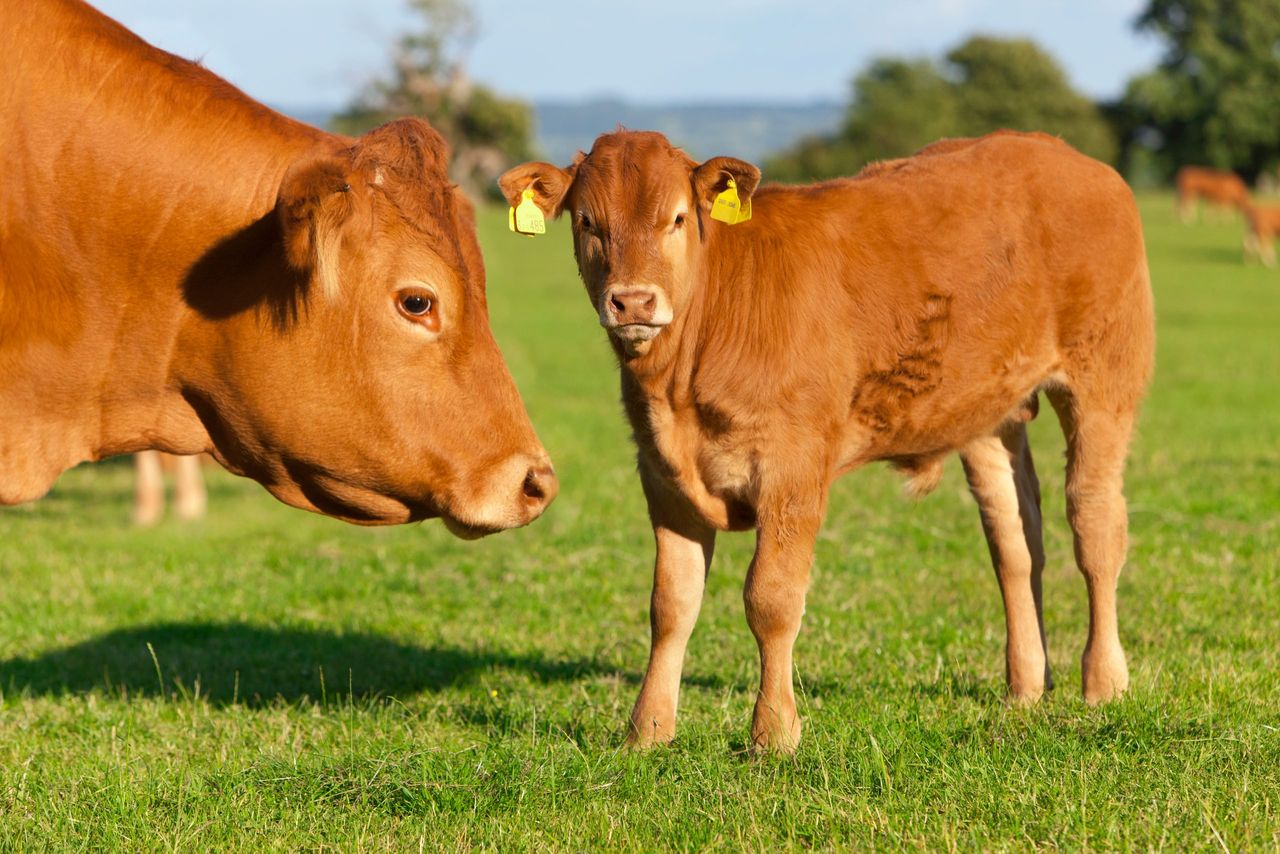
The Department of Agriculture, Food and the Marine (DAFM) has confirmed that bluetongue virus (BTV) has been detected in a herd in Co. Tipperary.
This means that bluetongue cases have now been confirmed in eight counties.
The department said that bluetongue virus serotype-3 (BTV-3) has been confirmed in "multiple cattle herds" to date.
The first case was confirmed in a suckler herd in Co. Wexford on January 24, 2026 through the culled cow routine surveillance in a slaughterhouse.
Bluetongue
The department said that evidence of a further bluetongue case linked to infection during the autumn has been identified in a herd in Co. Tipperary through abattoir surveillance.
A follow-up epidemiological enquiry found there were no clinical signs were noted in the animal or in the herd.
To date, department surveillance has identified BTV-3 in additional herds in the following counties: Wexford; Wicklow; Louth; Laois; Monaghan; Kildare; Cork and Tipperary.
"Investigations indicate these cases are historic cases from last autumn and not active infections," the department said.
No restriction zones or movement controls have currently been put in place.
DAFM reiterated that there are no food safety or human health risks from bluetongue.
Midges
Modelling work by University College Dublin (UCD) has identified that the likely midge incursion-period was between September 23 and 24, 2025.
To date, DAFM said all BTV cases have been identified in areas affected by this autumn incursion.
The department said there is "currently no evidence of a separate 2026 incursion or active infection".
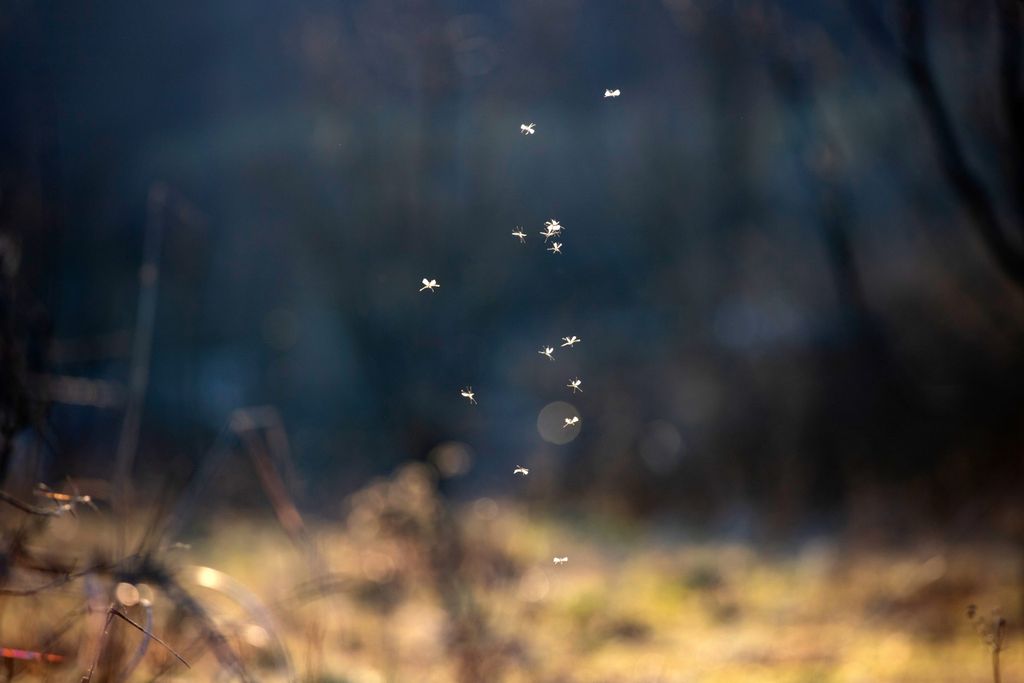
For the bluetongue virus to replicate within infected midges, sustained average temperatures must be above 12-15°C.
"Modelling data from the UK colleagues indicates temperatures, up to this week, although rising, have not yet reached the threshold for sustained viral replication within midges.
"However, this spell of warm weather means that we could expect rapid thermal accumulation in the coming days/weeks," DAFM said.
The department said it has put a "comprehensive surveillance plan for bluetongue" in place.
This includes abattoir surveillance, sampling of all suspect animals and aborted foetuses submitted to the DAFM network of Regional Veterinary Laboratories (RVLs), analysis of banked cattle blood samples taken for disease detection purposes, and on-farm sampling guided by the UCD modelling.
Farmers and vets are being encouraged to submit abortion samples to their local RVL.
"Bluetongue screening has been added to these profiles as part of disease surveillance.
"Any follow-up investigations will not result in on farm restrictions," DAFM said.
Vaccination
Even as temperatures increase, the department is encouraging farmers to consider vaccinating their herds.
DAFM said vaccination of breeding animals is "especially important" due to the effects of the disease on fertility and the ability to transmit virus in semen during mating.
"Farmers who have not yet vaccinated should seriously consider vaccination as a protective tool against the clinical disease losses associated with bluetongue.
"With increasing temperatures, viral replication within the midge population will resume, resulting in an increasing environmental burden of virus.
"As this will increase over time, there is still likely benefit in vaccination," the department said.