DAFM clarifies position on bird flu compensation

Details on who is entitled to compensation as a consequence of restrictions were clarified in a meeting ot the Oireachtas Committee on Agriculture and Food on biosecurity.
Senator Paul Daly asked the panel of experts invited to the committee meeting: “What thought process goes into actions you have to take? The decisions you make can have financial effects on farmers.”
The senator described farmers he knew who “fell into the restriction zone” and, consequently, could not accept a delivery of chicks.
“They got no compensation,” Senator Daly said.
“Within the department, while restrictions are necessary, are there not meetings held on making a decision on economic status or livelihood?
"What way does that work within the department, that you can put somebody out of business, albeit with the best of intentions?”
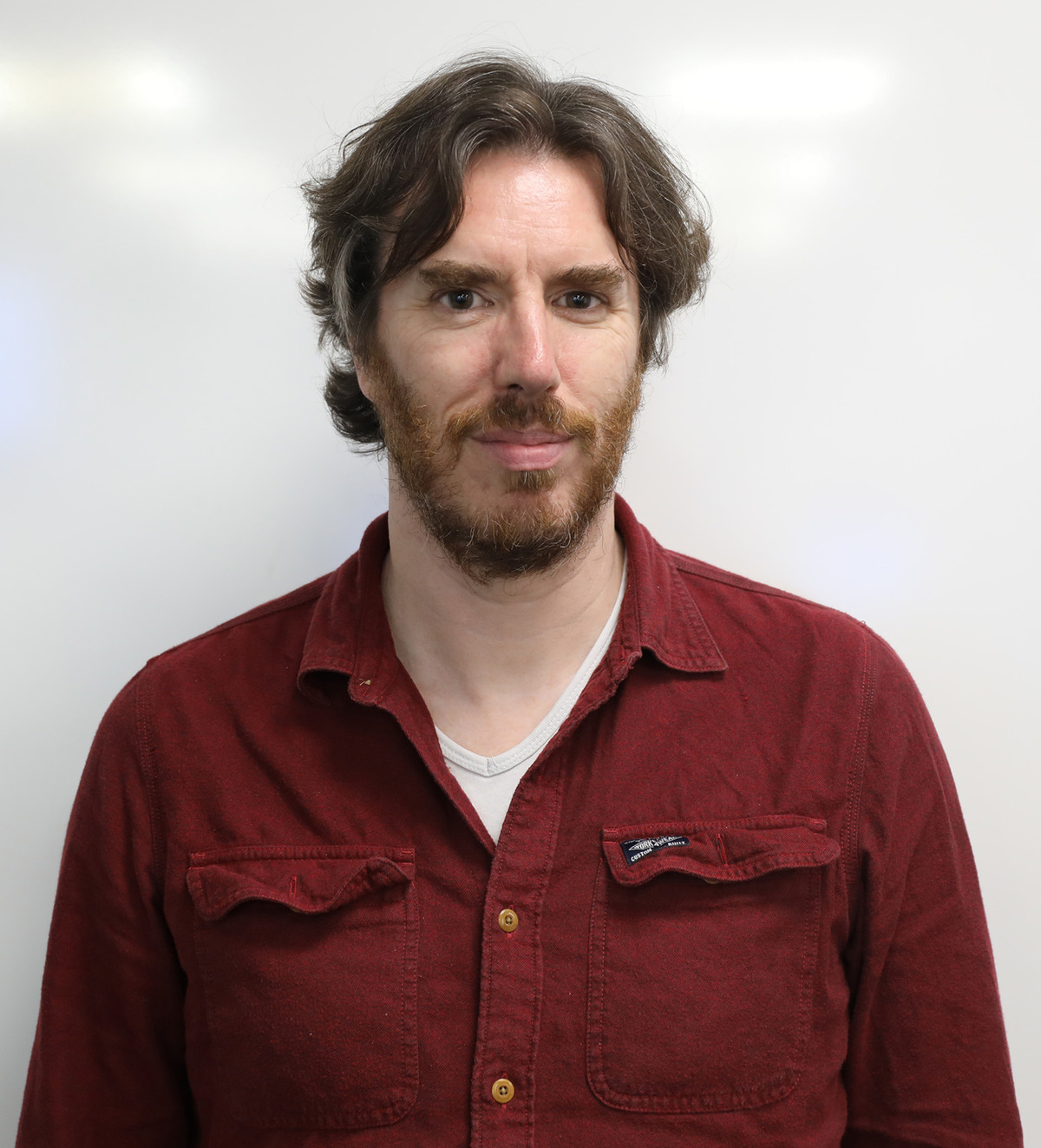
Deputy chief veterinary officer at the Department of Agriculture, Food and the Marine (DAFM), Dr. Eoin Ryan replied: “We’re bound by EU legislation on this.
"We’re in a common market within the EU, and the same animal health legislation applies to all member states. That’s what enables us to buy and sell animals and animal products within that market.
“The EU animal health law sets out very clearly that, following a category-A disease, in this case, a highly pathogenic avian influenza, you have to put in place stringent controls, a 3km protection zone and a 10km surveillance zone around the infected holding.
He continued: “That’s based on considerable scientific analysis…and years of experience on what works.
"There isn’t a degree of discretion to decide we’re not going to apply rules that we would expect other countries to apply if we were taking in their product or their animals.”
Policy
Moving onto the subject of policy, Dr. Ryan said: “On the policy side, we certainly consider seriously the impact on people, and regularly engage with stakeholders.
"We had stakeholders meetings on avian influenza…every six weeks or so for most of the last year and a half, because we’ve been in a high-risk period, and that’s with poultry farm organisations, industry representatives groups, and ourselves, to tease out exactly these issues.
“We take it very seriously and we’re acutely conscious of the impact of disease-control actions on those who may not be the ones specifically affected by the disease in terms of infection on their farms, but are affected by the controls that are necessary."
The DAFM representative said that this is "something that is discussed regularly, what the impacts are".
“Rather than talk about farmers being put out of business, it’s worth reflecting that we had five outbreaks of avian influenza, an extremely contagious disease in Ireland in November, and we didn’t have a single secondary outbreak," Dr. Ryan added.
Compensation
In reference to farms that lost out on income, and that are not covered by the existing infrastructure, the senator asked: “Do you not think, automatically, that if you’re limiting someone’s trading that it should lead to compensation?”
Dr. Ryan stressed that it is not just important that there were no additional outbreaks.
He added: “We were able to lift the surveillance and restriction zones very soon, as soon as could have been done because things were implemented strictly.
"And that enabled farmers in those areas to restock and carry out their normal business without secondary outbreaks that would have impacted them."

Dr. Ryan went on to outline the legislation in relation to compensation.
“In relation to compensation, under the legislation, if the minister [for agriculture] directs poultry, birds, animals, feeds, eggs destroyed in the case of a category of disease such as avian influenza, compensation is payable at market value for that," he said.
“But there’s no provision in the legislation for payment for consequential losses [such as] the situation you have described…effected by controls that have been put into place. It certainly is an issue and we’re aware of it, because we regularly engage with stakeholders on this.
“We’re acutely conscious of the burden on people like that. But the fact that the zones were lifted as soon as could have been done, and there was no subsequent spread of the disease, that is significant for the industry and I wouldn’t underplay that.”