CSO: Agricultural output prices down 9.4% year-on-year

Over the 12 months to February, a significant reduction in prices for milk, pigs and sheep led to an overall 9.4% drop in the agricultural output price index.
That's according to new figures from the Central Statistics Office (CSO) published today (April 15).
Commenting on the release, Sam Scriven, senior statistician in the CSO’s agriculture division, said: "Compared with February 2025, the output price index decreased by 9.4% while the input price index rose by 1.9%.
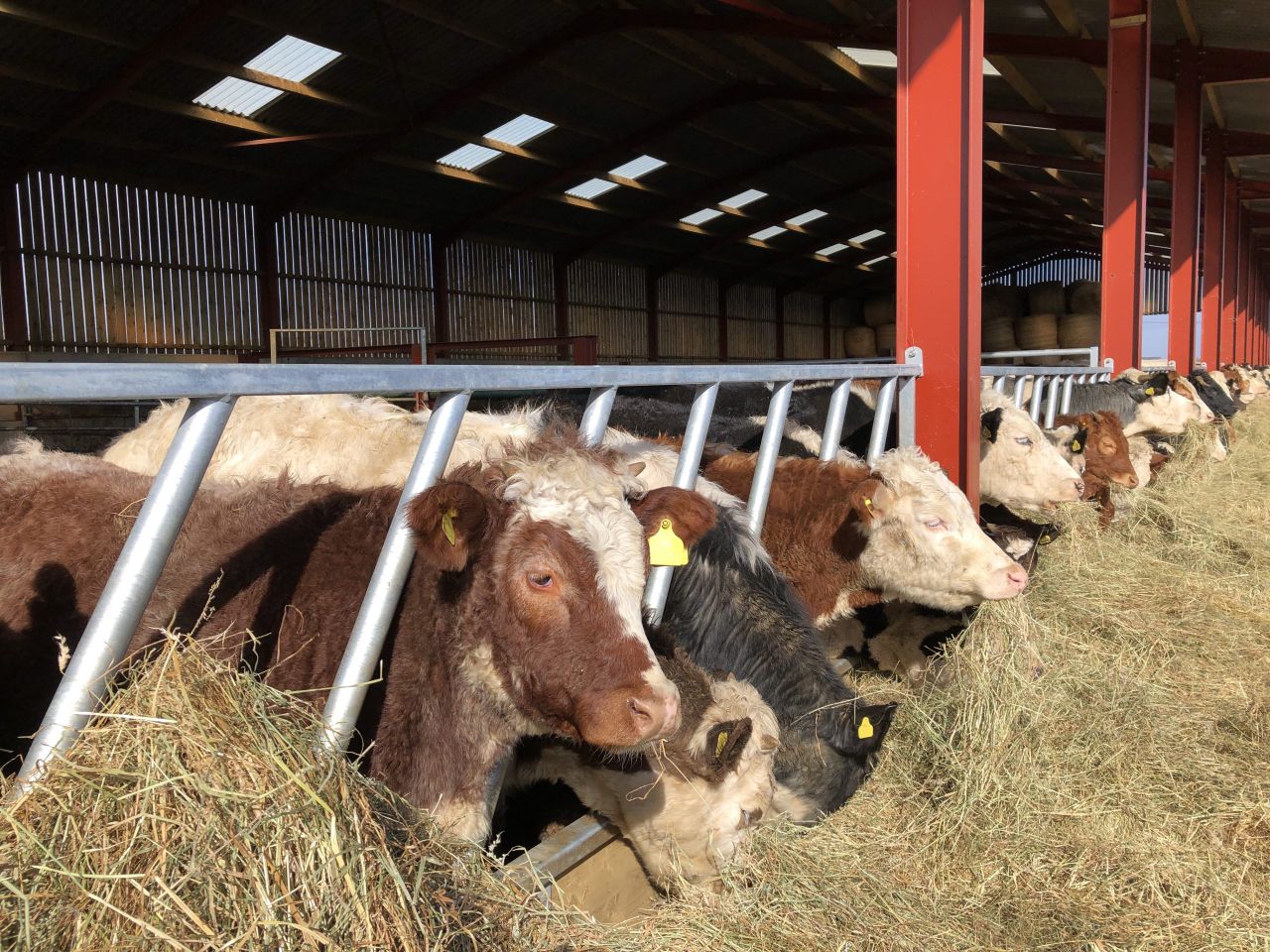
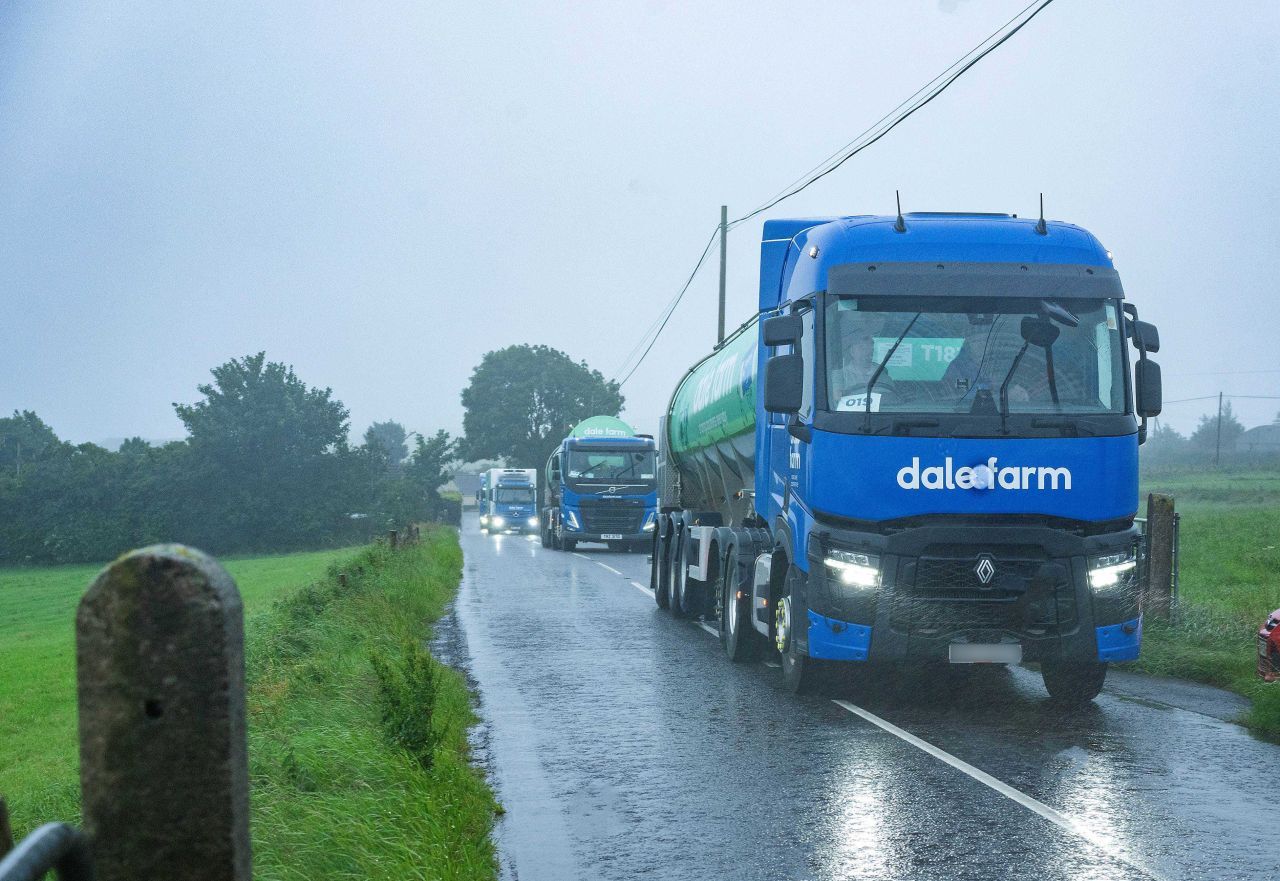
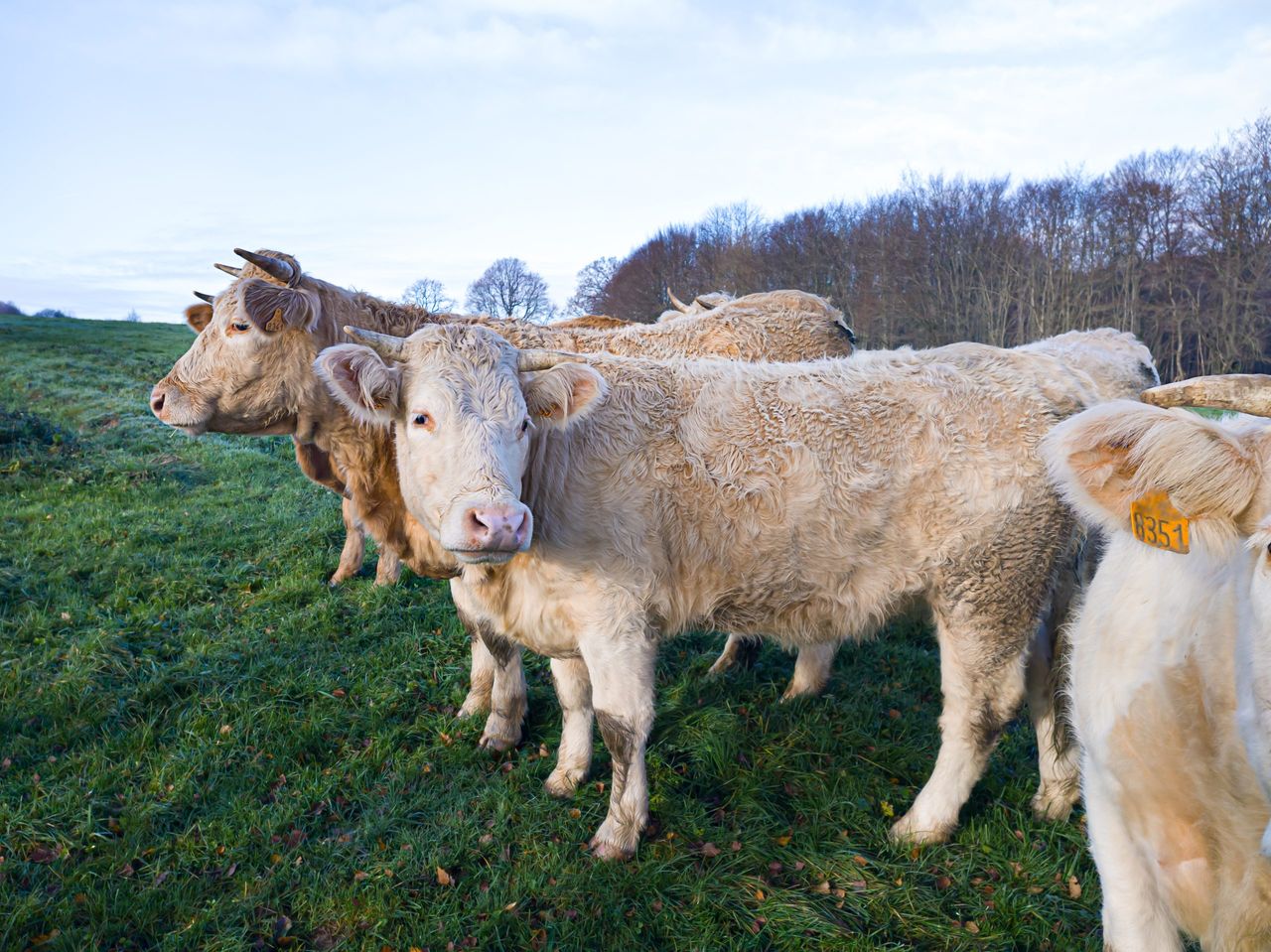
"The most significant changes in the output prices in the 12 months to February 2026 were in milk (-27.0%), pigs (-14.7%), sheep (-14.6%), and cattle (+11.2%)."
In terms of input prices, over the 12 months to February 2026, the agricultural input price index rose by 1.9%.
Over that period, increases in input prices were recorded for fertilisers (+11.0%), veterinary expenses (+7.1%), and electricity (+4.6%).
According to the CSO, these trends were reflected in the month-on-month figures also.
Scriven said:"In February 2026, the agricultural input price index rose by 0.5% compared with the previous month.
"Over the same period the agricultural output price index fell marginally by 0.1%.
The terms of trade, which is a measure of a country’s export prices relative to its import prices, fell by 0.7% in February 2026 when compared with January 2026 and was 11.1% lower when compared with February 2025.
Agricultural price indices
The agricultural output price indices are intended to measure trends in the price of agricultural produce sold by farmers.
The agricultural input price indices are designed to measure trends in the price of farm inputs purchased for current consumption, such as non-capital materials and services.
Both indices are compiled on the average farm concept, which includes both sales to other economic sectors as well as sales/purchases of agricultural output between agricultural units for intermediate consumption purposes.
This excludes trade in animals between agricultural units.