Crop report highlights impact of wet start to the year

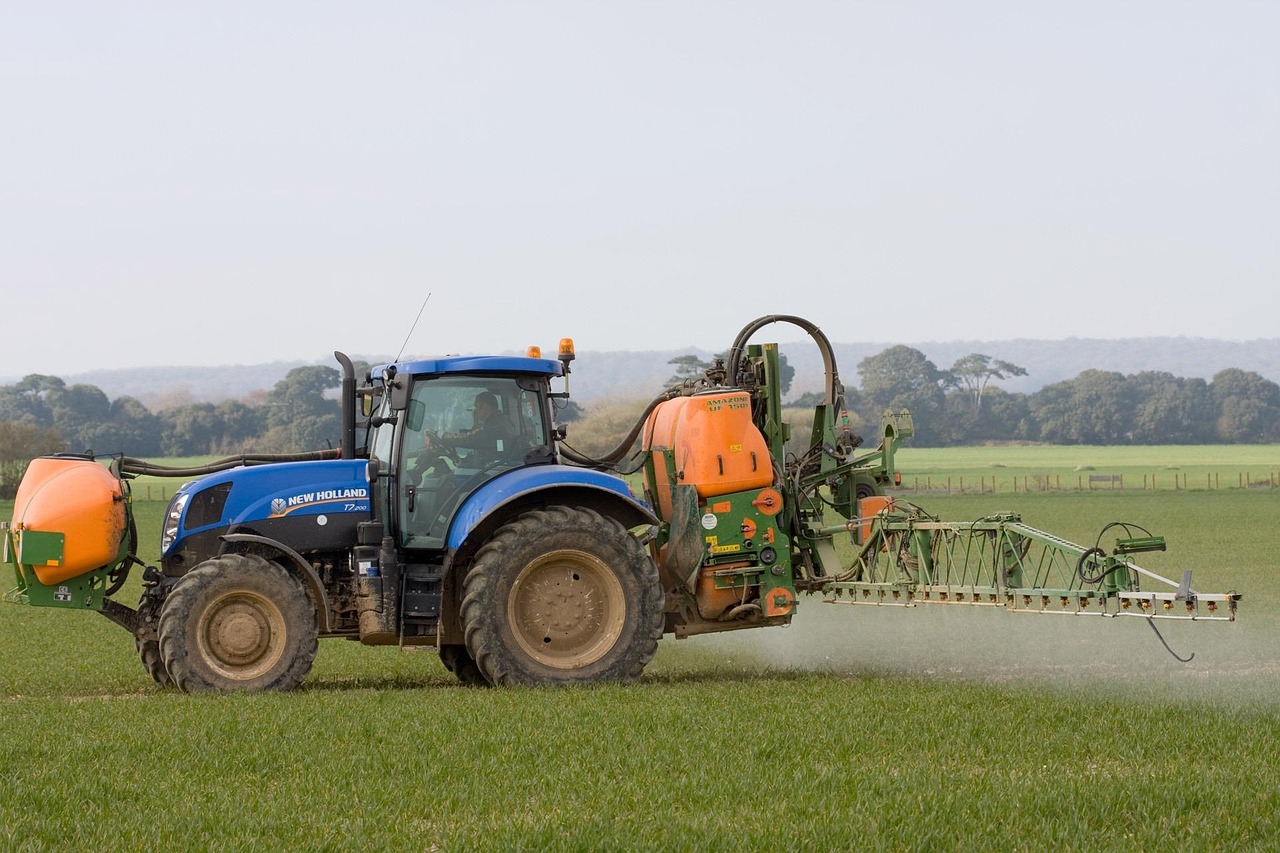
Teagasc's first crop report of the year has highlighted the continuing impact of the very wet start to 2026, specifically the fact that no field work of note has been possible up to this point.
According to Met Éireann, all poorly drained soils and some moderately drained soils are currently waterlogged, with all other soils saturated.
Further deterioration is expected over the coming week, with more moderately drained soils becoming waterlogged.
Winter crops
The Teagasc report confirms that winter wheat and winter barley areas are broadly similar to 2025 levels, while winter oats area has declined.
Winter oilseed rape area has increased and is estimated at approximately 17,000ha.
Despite the recent heavy rainfall, winter crops have generally come through the season in good condition, with limited losses from waterlogging or pest damage to date, according to the report
Plant populations in winter cereals are generally good. Some crops are well advanced, with winter oats at GS30 at the recent Kildalton crop walk.
Grass weeds
A proportion of winter cereals did not receive an autumn herbicide.
Grass weed control options in winter barley are now limited and likely to be less effective, while ALS herbicides (Pacifica Plus/Monolith/Broadway Star etc.) remain a good option in winter wheat where grass weeds are problematic.
Results from 2025 grass weed resistance monitoring have identified Ireland's first ALS-resistant rye brome and Increasing ALS resistance in annual meadow grass.
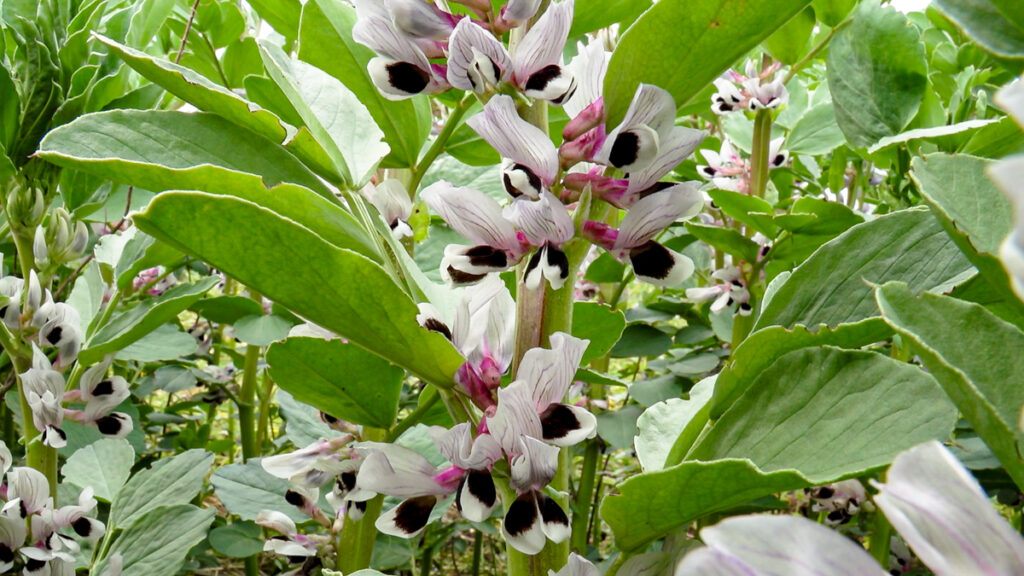
Interest in spring beans is expected to increase in 2026, driven by reduced malting barley contracts and weak feed barley prices.
The Protein Aid payment, worth approximately €600/ha in 2025, continues to underpin bean margins.
Where available, the use of organic manures can help reduce chemical fertiliser requirements and lower overall input costs.
Winter barley
According to Teagasc, plant counts in winter barley are generally very good, with crops well set up for the season.
Fertiliser application will be a priority once ground conditions allow, although most crops are only just beginning to show a demand for nitrogen.

Some autumn-applied herbicides for annual meadow grass control may still be used. However, control is likely to be limited where grass weeds are well tillered.
For many growers, a spring applied programme targeting broad-leaved weeds is likely to be the most practical option at this stage.
Winter wheat
As is the case with winter barley, winter wheat crops generally have good plant and shoot numbers.
There is no urgency to apply fertiliser on crops with good tiller counts, and nitrogen can be delayed until late tillering or Growth Stage (GS) 30, Teagasc said.

Weed control should be prioritised where autumn applications were missed, with ALS herbicides the main option for grass weed control in these situations.
High shoot numbers increase lodging risk, so now is an ideal time to assess plant populations and plan nitrogen and plant growth regulator programmes accordingly.