Coillte warns land owners to 'obey restrictions' on land burning

Coillte has warned landowners to avoid all outdoor fires and obey restrictions in place on land burning as temperatures climb across the country.
Met Éireann has said that "high pressure" is expected to dominate the weather for the coming week and in turn rainfall amounts are likely to be "significantly below average".
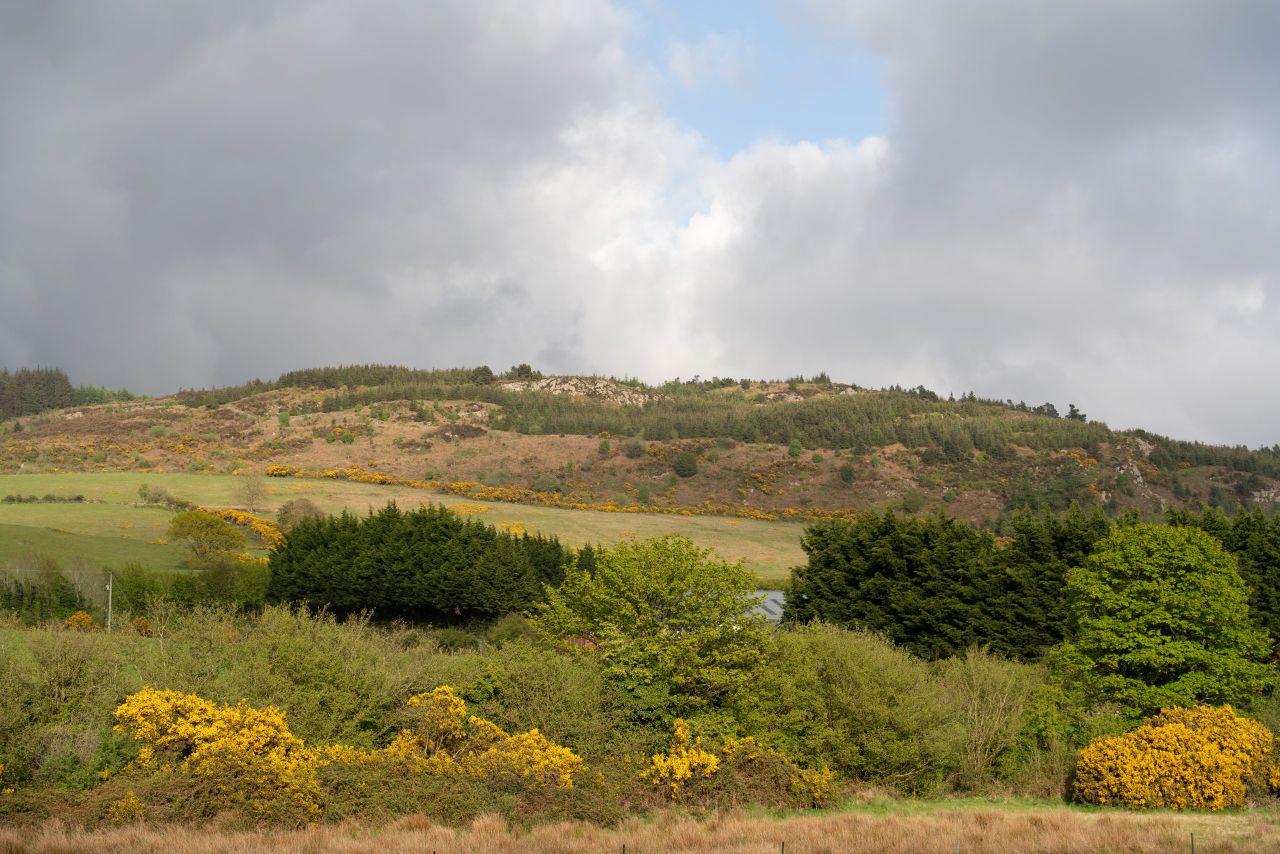
According to Coillte because of the forecast weather patterns a "high fire risk is deemed to exist in all areas where hazardous fuels such as dead grasses and shrub fuels such as heather and gorse exist".
"While some areas may be subject to rain during this time, elevated fire risks are expected in all areas during this period, especially western coastal and North-western areas.
"Fire behaviour, spread rates and difficulty of suppression will be strongly influenced by increasingly dry fuel conditions, low humidity levels associated with easterly winds, and moderate to fresh windspeeds," the semi-state forestry company said.
It is an offence to cut, grub, burn or otherwise destroy any vegetation growing on any land not cultivated between March 1 and August 31.
Turf cutting
Coillte has also called for "increased vigilance to fire" in areas with open public access, "active turf-cutting and other high-risk activities".
It has said landowners and managers should "remain vigilant to all fire activity" and report all suspicious activity to An Garda Síochána.
"Visitors to public recreational areas should co-operate with all fire safety requirements and not light open fires or barbeques in high-risk areas.
"Rural users should cooperate with all requests regarding fire safety, obey all relevant bye-laws and be considerate in parking vehicles so as not to impede access by emergency vehicles," Coillte added.
Fire risk
A Condition Orange high fire risk, which had been issued by the Department of Agriculture, Food and the Marine is in place until 12pm on April 27.
It has warned that wildfires can have "catastrophic impacts" on upland habitats and rural communities, putting homes, property and lives at risk and diverting emergency services to deal with them.