Call for seaweed to be protected due to 'growing importance as a fertiliser'

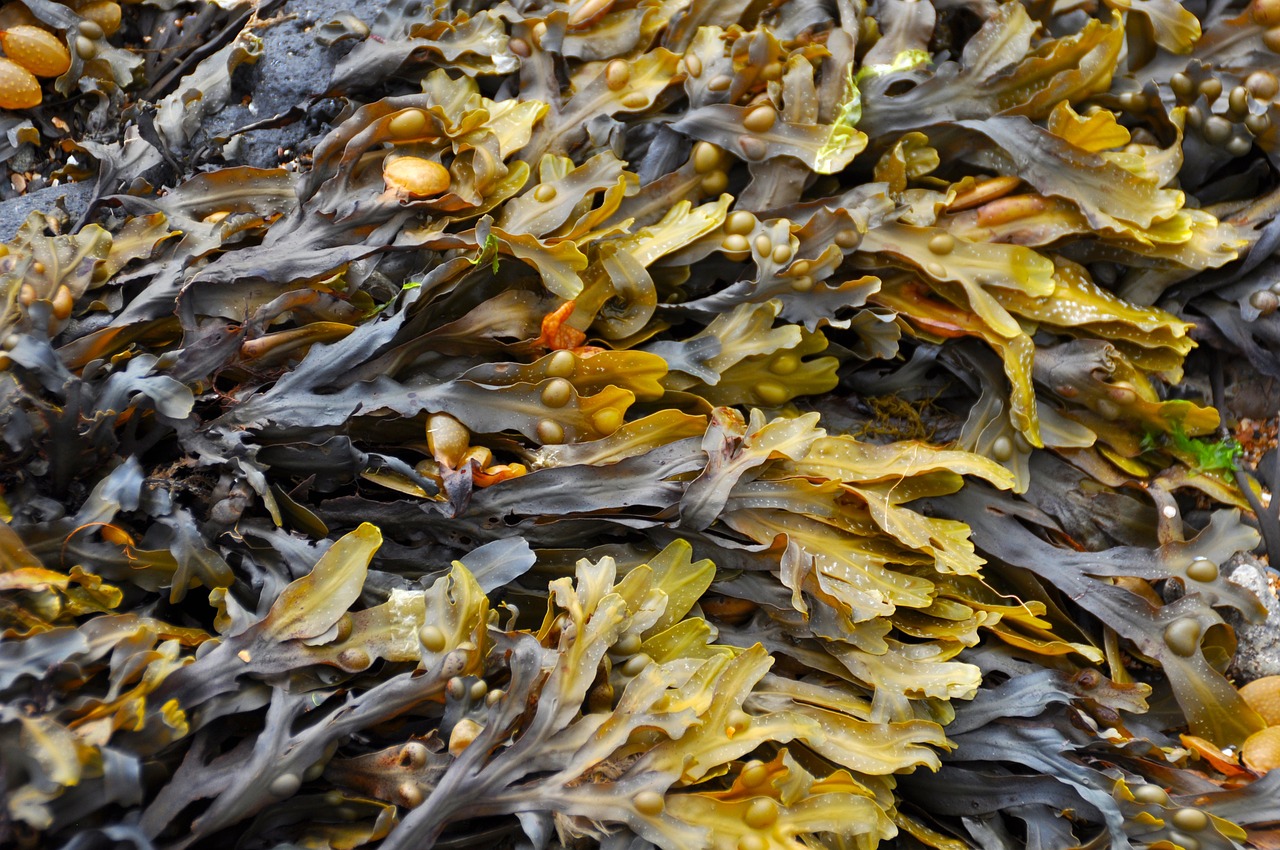
A political party representative has said seaweed must be "properly harnessed and protected".
Aontú’s Monaghan representative, Olivia Larkin said seaweed is "growing in importance as a fertiliser in the midst of an ever-deepening fuel crisis".
“There is more urgency than ever to protect the seaweed-rich shores around our coast from Donegal to Kerry and save them from being licensed off to multinational and other actors," Larkin said.
"There is growing concern regarding the increasing number of large-scale commercial seaweed-harvesting applications along Ireland's coast."
Coastal counties are becoming "increasingly apprehensive" about the scale of proposed licences.
Aontú has said that "we cannot allow our coastline to become a commodity traded on international markets".
Seaweed as fertiliser
"Seaweed is long recognised as being one of the best natural organic fertilisers," it said.
"It is resistant to drought and frost which is very important in a country like Ireland. It also increases the potato yield which given they are one of our indigenous crops is also a consideration."
Olivia Larkin said that seaweed beds "provide some of the most effective protection against coastal erosion and flooding - significant risks for vulnerable communities along our coasts".
"Removing these resources removes our primary line of defence; artificial alternatives cannot replace nature’s efficacy," she said.
"I believe we must advocate for the safeguarding of traditional seaweed-harvesting rights, which are frequently handed down through generations, via appropriate legal measures rather than leaving them susceptible to corporate interests or administrative decisions."
Rights
She said that in practical terms, seaweed‑harvesting rights "can be understood in a similar way to traditional turf rights, where individuals may have long-standing rights to harvest a natural resource even where the underlying land ownership may be complex".
"The key principle is that local people who have historically relied on and managed this resource should have the opportunity to maintain those practices and benefit from them," Larkin added.
"If we don’t act now, we could lose something irreplaceable. The sea has sustained us for generations and it is our duty to protect it."
Traditional rights to harvest wild seaweed can relate to property rights, known as appurtenant rights, or be built up through harvesting from the same area over a period of time, known as a profit a prendre rights acquired by prescription.