BVD payment increase 'falls well short of what is required' - ICSA


There has been reaction from the farm organisations to the announcement of changes to the bovine viral diarrhoea (BVD) Financial Support Programme.
Minister for Agriculture, Food and the Marine, Martin Heydon this week announced the changes for animals disclosed as positive in 2025.
Support for a dairy breed animal under the programme is increased from €160 to €200 and for a beef breed animal from €220 to €320, to be paid to farmers who disclosed BVD virus positive or inconclusive animals during 2025.
Payments for 2025-born calves will be made in 2026.
'Falls well short'
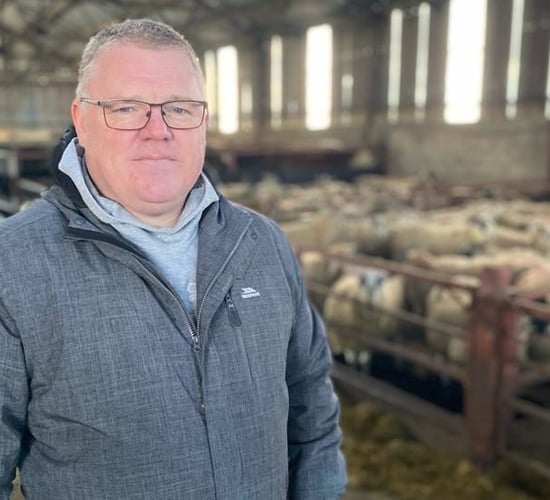
The Irish Cattle and Sheep Farmers' Association (ICSA) animal health and welfare chair John Barron said the increase is "years overdue and falls well short of what is required to reflect the true financial losses faced by suckler farmers".
"The increase in support for beef breed animals from €220 to €320 is a step in the right direction, but the compensation levels have remained unchanged for many years and should have been addressed much earlier," Barron said.
"Five or six years ago, when ICSA began looking for an increase in BVD compensation, a change of this scale might have made a meaningful difference.
"At today’s market values, however, the revised payment barely touches the sides of what is needed."
He said compensation levels would "need to be at least double the updated rates to come anywhere close" to reflecting the true market value of affected animals.
“For suckler farmers in particular, the impact goes well beyond the loss of a calf," Barron said.
"When a calf tests positive for BVD, the farmer effectively loses the production of that cow for the entire year.
"That is a major financial hit in a system where margins are already extremely tight."
Barron said the eradication programme has required "huge commitment" from farmers and that commitment "should be recognised through compensation that realistically reflects the cost of the losses involved".
"This underlines the need for the department to keep support schemes under regular review, so they remain aligned with the real economic impact on farmers," Barron added.
Call for further action
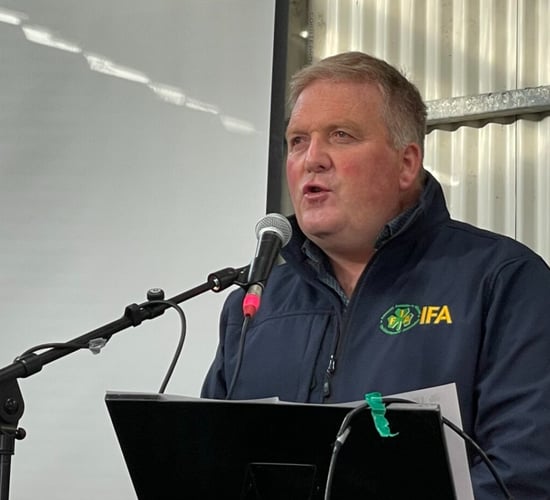
Irish Farmers' Association (IFA) animal health chair David Hall has called for "further action" following the minister's announcement.
He said the new rates of €320 for a calf from a suckler breed dam and €200 for a calf from a dairy breed dam are a "recognition that previous compensation levels were too low".
“While this increase is a step in the right direction, the rates remain far below market value for calves," Hall said.
"Farmers continue to bear a significant financial loss when removing persistently infected (PI) animals.
"In 2025, 561 PI animals were removed from farms, placing a large burden on affected farms.
"Increasing compensation to levels closer to the open market value would not cost the exchequer a significant amount but would make a massive difference to the farmers impacted."
Hall said identifying a PI animal brings "additional work and stress, including extra testing and the retention of calves that would otherwise have been sold".
"This adds to the workload of farm families during the busiest time of the year," he said.
“Farmers have made a major financial commitment to the BVD eradication programme since its introduction in 2013.
"We have removed PI animals for values well below the open market.
"We as farmers, have done our part to drive this programme forward."
'Stagnating'
Hall acknowledged the wider benefits of the programme, including reduced antibiotic use, improved animal performance, and younger ages of slaughter, all of which support national policy objectives.
However, he warned that the programme is "now stagnating at low levels of infection".
Hall added that maintaining farmer trust in the BVD programme is "essential to achieving disease freedom and supporting current and future disease control initiatives".
"Suckler and dairy farmers cannot be left to continually carry the financial burden while the benefits of eradication extend far beyond the farm gate," he concluded.