Breeding: Time to start putting a plan in place


Calving will be slowing down on many farms from now on, which might give farmers some time to start thinking about the breeding season.
Breeding will be kicking off on the majority of farms in just over a month's time, meaning preparation should begin now.
Breeding is one of the most important tasks in the year, yet it often does not get the time as it deserves given how hectic lead-up to it is.
Farmers need to set aside time this month to sit down, look at all the available data, and pick the best bulls for the job.
Making a quick job out of your breeding decisions has the potential to negatively affect the herd for years to come.
Breeding plan
Choosing the right cow is as crucial as the right bull, as each will be responsible for half of the genetic potential of an animal.
Therefore, you need to be looking through Economic Breeding Index (EBI) records, milk recording, sire advice, and any other tools available.
There also may be some confusion this year following the change to the base figure in terms of EBI since last year's breeding season, but farmers must remember that only the figure has changed - breeding itself remains the same.
The Irish Cattle Breeding Federation (ICBF) have outlined the top and bottom percentiles of EBI below;
| Top 1% | Top 5% | Top 10% | Top 25% | Average | Bottom 25% | Bottom 10% | Bottom 5% | Bottom 1% | |
|---|---|---|---|---|---|---|---|---|---|
| 2026 Heifers | €268 | €243 | €229 | €201 | €167 | €122 | €68 | €31 | €-43 |
| 2025 Heifers | €253 | €227 | €212 | €185 | €152 | €110 | €58 | €22 | €-54 |
| Cows EBI | €241 | €209 | €190 | €155 | €111 | €56 | €-17 | €-78 | €-222 |
| Herd EBI | €188 | €176 | €168 | €143 | €107 | €79 | €47 | €19 | €-58 |
| Herd Milk | €47 | €40 | €36 | €29 | €20 | €8 | €-9 | €-22 | €-43 |
| Herd Fertility | €90 | €82 | €77 | €63 | €38 | €25 | €6 | €-14 | €-62 |
When pushing to improve genetic gain, a major focus should be placed on maiden heifers.
These young animals more than likely have the highest genetic merit within the herd, and therefore will deliver the best calves next spring.
From there, it is a job of choosing what traits need to be improved.
Many farmers will place a heavy emphasis on improving milk solids, which is important as that is what we get paid for.
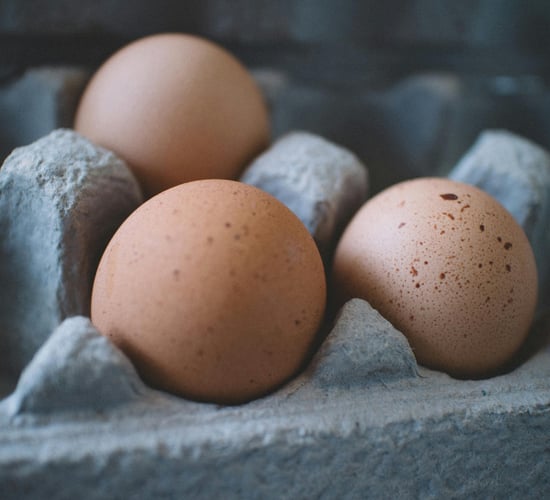
However, it is best not to put all your eggs in one basket and just drive on with solids, as crucial areas such as fertility may end up slipping.
Good fertility is crucial, as empty rates can be very costly, while fertility also has the ability to indirectly drive milk solid production as cow calve down early and spend more days in milk.
Some farmers may need to adjust the liveweight of their cows if it has gone too high or too low, which can be done by focusing on maintenance figures.

At the end of the day, breeding is a complex decision, far from a one-suits-all system.
The highest EBI bulls are not necessarily going to suit every farm or system, and not every cow is going to be suited to breeding your replacement heifers.
That is why the formation of your bull team needs to be well thought out and matched accordingly to suitable cows.
Sexed semen
With sexed semen becoming such a popular option, farmers are only breeding the number of replacement heifers that are needed, and using beef sires for the rest of the stock.
But it can be hard to find the right balance with this system, as some farms can have a deficit of replacement heifers, while others end up with a surplus, which leads to increased rearing costs.
The target replacement rate is 18-20% to ensure genetic gain year-on-year, but if we account for losses, farmers should be targeting to breed approximately 22-23% of spring calves as replacement heifers.
To achieve this, the following calculation is a good guideline to follow, but not a certainty.
If a 100-cow herd is solely using dairy sexed semen, aiming to have 22 dairy heifers born, they will need the following amount of sexed semen straws:
- 18 replacement heifers bred will produce 10 dairy heifer calves (18 heifers x 60% conception rate x 90% female);
- 27-30 sexed dairy straws will need to be used on the cows to produce the additional 12 dairy heifers required (12 calves required x 50% conception rate x 90% female).
However, it is important to note that this scenario is only reflective for farmers who are carrying out synchronisation programmes or are carrying out artificial insemination (AI) twice a day.
Where this is not being carried out, farmers should select a larger number of cows to have available for breeding replacements, as many cows will not be at the appropriate time of their heat, in which case sexed semen should not be used.