Sponsored Article
Bovine TB: Let's fight back


Sponsored Article

On Tuesday, 20 January at 7.30p.m, dairy producers from across the country are invited to join a live TB Update webinar that will unpack the changes and explain what they mean for herd management, animal movement and biosecurity.
The new Action Plan represents a reset of Ireland’s tuberculosis (TB) strategy built on veterinary science, data, and the experience of farmers and stakeholders.
It is a response to worrying trends: herd incidence climbed above 6% in 2024 and over 6,000 farms experienced a breakdown - up significantly from previous years - contributing to both emotional and financial strain in rural communities.
These rising trends have made it clear that business-as-usual is no longer enough, and a more targeted, multifaceted approach is necessary.
At its core, the Action Plan is structured around five strategic measures, each underpinned by a suite of practical actions aimed at stabilising TB levels, improving herd protection, and laying the groundwork for eventual eradication.
1. Helping TB-free herds stay TB-free
One of the standout changes is a shift toward stronger pre-movement testing protocols. Dairy cows and contract-reared heifers will require a clean test within 30 days before being moved between herds.
This adds a layer of protection against introducing undetected infection, strengthening biosecurity at the very moment animals change hands.
Additionally, the plan proposes improved risk transparency for female breeding cattle over 18 months-of-age that were present in high-risk breakdowns.
This information will be shared at the point of sale, helping buyers make informed decisions and avoiding inadvertent disease spread.
2. Reducing wildlife-mediated transmission
TB transmission between wildlife - particularly badgers - and cattle has been a persistent challenge.
The new strategy enhances the existing Test, Vaccinate or Remove (TVR) approach, ensuring only healthy badgers receive vaccines while infected animals are removed. The plan also increases wildlife operatives in the field and introduces tailored responses in high-incidence areas.
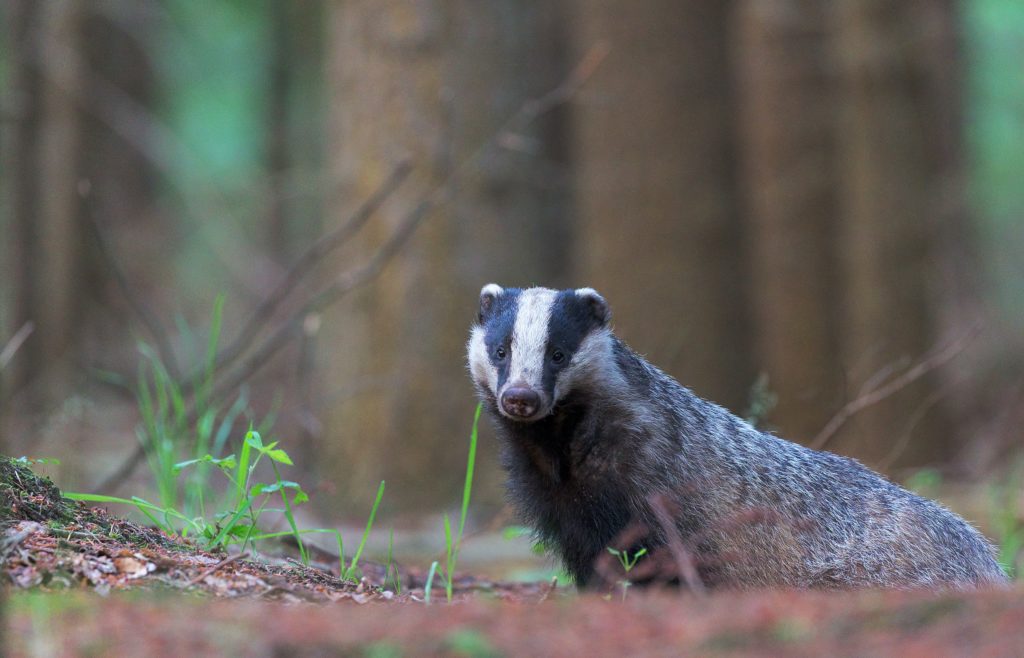
Importantly, a financial assistance package will be made available to help farmers bolster on-farm wildlife biosecurity, such as fencing or feed and water protection, reducing opportunities for cattle/wildlife interaction.
3. Faster detection and more effective breakdown management
For herds already facing a bTB breakdown, the Action Plan emphasises early detection and elimination of infection.
In larger breeding herds, mandatory gamma interferon (GIF) blood testing will be triggered under specific criteria, improving detection sensitivity and limiting residual infection that can perpetuate future outbreaks.
High-risk herds that suffer relapse will face six-monthly TB testing for up to three years, a move designed to catch ongoing issues sooner and prevent them from escalating.
4. Practical on-farm biosecurity improvements
While official control measures are crucial, farmers themselves are empowered with enhanced biosecurity guidance and supports.
The plan promotes simple, low-cost measures and encourages collaboration with private veterinary practitioners to strengthen everyday practices.
In line with this, the government has also linked significant funding - over €157 million in the 2026 budget - to support programme implementation, including resources for testing, wildlife control, and farm-level biosecurity investments.
5. Targeting high-risk animals
Recognising that certain cattle carry a higher risk of spreading bTB, the Action Plan sets out measures to minimise movements of these animals without stifling trade.
For example, restrictions on selling cows from TB-restricted herds to other farms will apply in defined circumstances, while controlled sale channels such as direct to slaughter or to finishing units remain available.
What this means for dairy farmers
For Ireland’s dairy sector - already operating in a high-performance, export-orientated environment - these changes signal both challenges and opportunities.
Farmers will need to adapt to stricter movement controls and embrace enhanced testing regimes, but they will also benefit from improved information, financial supports and clearer pathways out of restrictions.
The longer-term goal is not only to reduce bTB incidence but to give farmers confidence and predictability, helping protect herd health and safeguard livelihoods into the future.

This webinar will be an essential resource for any dairy producer seeking clarity on these reforms.
Speakers, including Damien Barrett of the Department of Agriculture, Food and the Marine (DAFM) and Joe Patton of Teagasc will break down the complexities of the new plan and answer questions about practical implementation on Irish farms.
Reserve your place, and ensure you have a clear understanding of the implications for your herd in 2026.
Sponsored Article