Better surveillance will improve detection of bird flu in cattle - expert

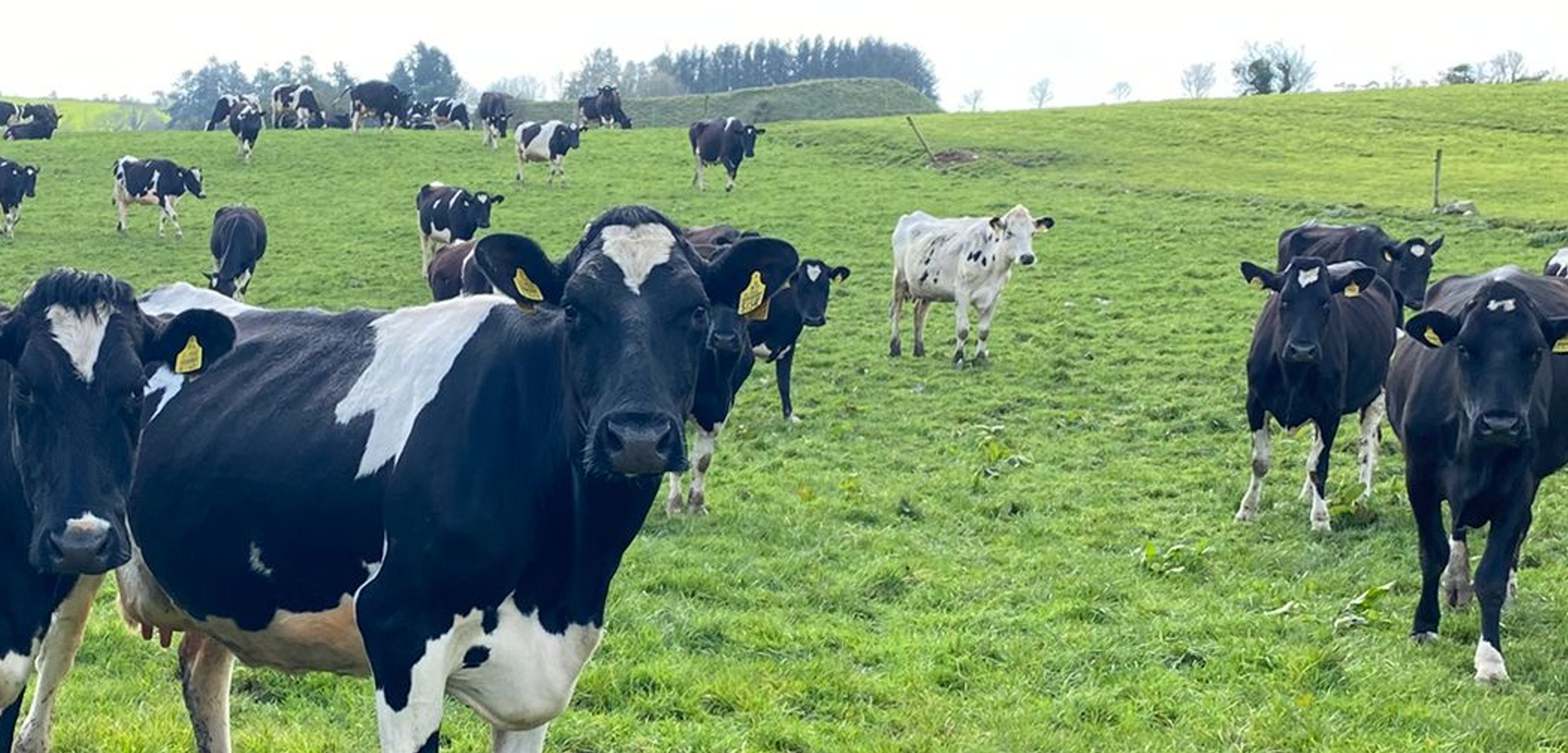
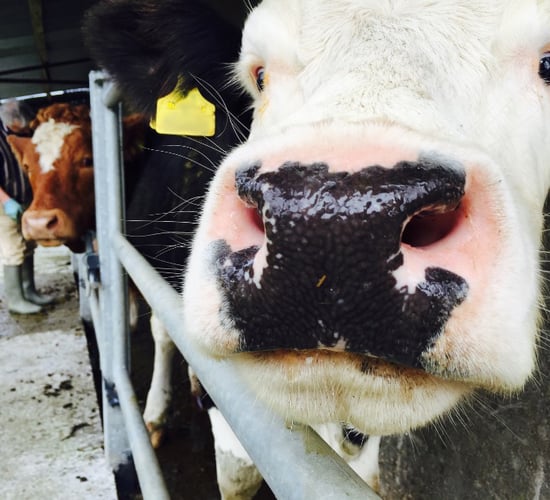
Better surveillance could improve the ability to detect outbreaks of avian influenza (bird flu) in cattle earlier, according to an expert.
The comments follow confirmation that antibodies against bird flu were found in the milk of a dairy cow on a farm in the Netherlands.
This is the first report of the virus having spread to cattle outside of the US. Bird flu has been detected in cattle across multiple states in the US since early 2024.
No bird flu was found in the Dutch cow's milk, but antibodies against the virus were detected, which indicates that the animal had been exposed to the virus.
In a statement, the Dutch Ministry of Agriculture said that no evidence of active viral circulation of bird flu among the dairy cows on the impacted farm has been found.
There are also no signs of avian influenza spreading to other dairy farms.
Bird flu
Dr Gerald Barry, assistant professor of virology and deputy director of the One Health Centre, University College Dublin (UCD), said there are a number of possible reasons why there has not been evidence of cattle infected with bird flu outside the US until now.
"In a lot of cases the clinical signs in cattle are mild/non-existent so although infections may be occurring, we may not detect them.
"Routine testing of cattle for avian influenza has been restricted or hasn't been carried out at all in a lot of countries so we wouldn't necessarily know if it was there - a lot of countries take an approach of only testing for something is there is a clinical justification for it i.e. if the animal is sick in some way," he said.
The Netherlands case was detected due to a sick cat on the farm testing positive for the virus.
While in the case of a positive sheep in the UK in 2025 testing was carried out due to sick birds nearby.
Dr Barry noted that other factors such as breed differences, various farming practices and the prevalence of the virus may all be contributing to a lack of outbreaks outside of the US.
Cattle
Dr Barry said that "there is no clinical reason to suspect that cattle are currently being infected by avian influenza" in Ireland.
However, he said "the possibility of it occurring in the future can not be ruled out".
A study being carried out by the Department of Agriculture, Food and the Marine (DAFM) is testing blood samples from cattle collected some years ago for the presence of bird flu antibodies.
"This is a retrospective study to see if those animals were positive and will provide a look back to see if cattle before now are likely to have been infected. Results from this study are expected later this year," Barry said.

He said that cattle on Irish farms are not routinely tested for bird flu or antibodies to the virus. If there is a clinical reason, DAFM can rapidly test samples, if needed.
"Because animals can be infected without obvious sickness and can potentially spread that to other animals and humans, there is a risk that cases might be missed, so improved surveillance in this scenario would be beneficial," he added.
Dr Barry said that the all-island research project on pathogens, OH-ALLIES, aims "to improve this national surveillance so any outbreaks that might occur will be identified rapidly".
Silent circulation
Dr Barry said that finding antibodies rather than active virus in the cow in the Netherlands "suggests that the animal that was infected wasn't obviously sick".
"This means that infection has occurred silently.
"The risk with this is that it means that in future outbreaks, the virus could circulate in a herd and even pass to humans without detection, until it reaches a host that gets very sick (human or animal)," he said.
Dr. Barry added that "silent circulation also increases the likelihood of virus adaptation to mammalian hosts, thus increasing the likelihood of spillover into human populations".
"The ability of the virus to circulate silently also indicates that only testing for the virus in cattle when animals show signs of sickness is not enough, broad spectrum testing of herds should become part of a national One Health surveillance plan for Ireland and the EU.
"It should be focussed on areas where the risk is highest, like areas where wild birds that carry the virus tend to congregate or where surveillance has indicated that the virus is circulating in wildlife.
"Better surveillance will improve our ability to detect outbreaks early, thus helping to protect both animal and human populations more effectively," he said.
Bird flu risk assessment
The European Centre for Disease Prevention and Control (ECDC) has confirmed that its risk assessment in relation to bird flu in humans remains unchanged.
The current risk is assessed as low for the general population and low to moderate for people with occupational exposure (e.g. poultry farm workers) or other exposure to infected animals or contaminated environments (e.g. direct contact with infected wild birds).
"Transmission of avian influenza from cattle to humans has only been reported in the United States among farm workers exposed to infected cattle or contaminated environments, and such cases remain sporadic and all developed only mild symptoms," ECDC said.
The agency said that adherence to biosecurity measures is essential when it comes to bird flu, along with enforcing proper protective measures for people exposed to potentially infected animals and the early detection of animal-to-human influenza transmission.