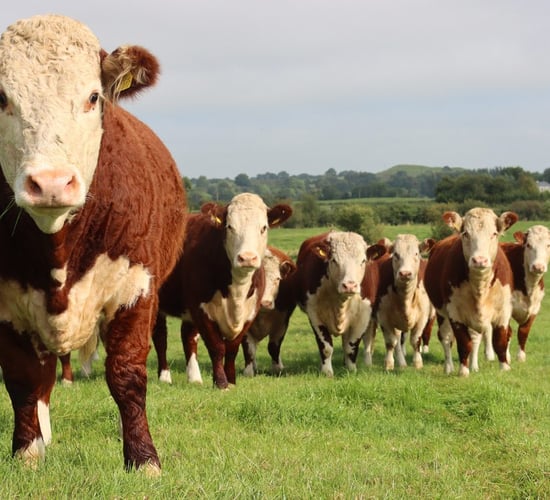
Beef kill: Processors rationing scarce supply to retain processing capacity

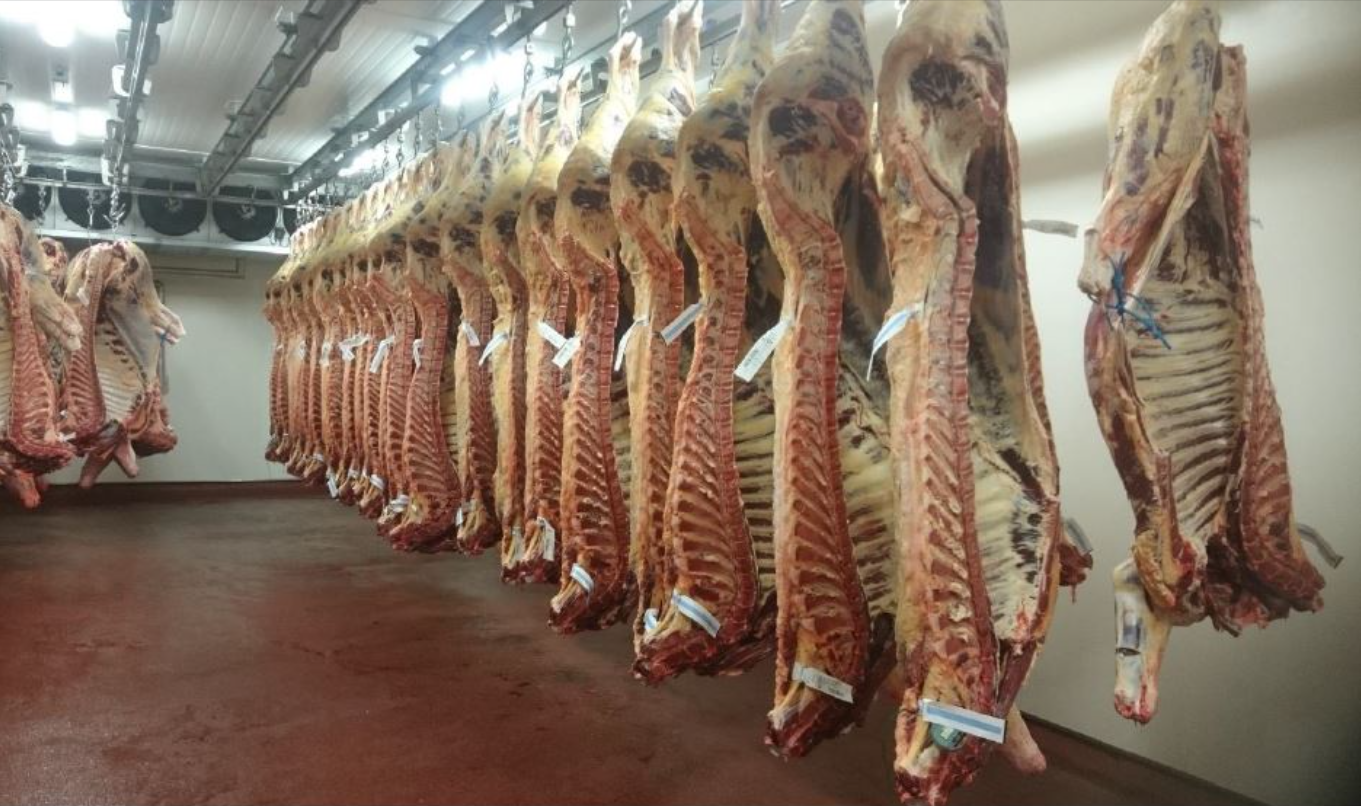
Weekly beef kill numbers have been remaining incredibly consistent this year with weekly supplies generally remaining between 30-31,000 head.
None of the main processors are running at full capacity and most outlets are managing cattle supplies as best they can to retain staff and justify keeping smaller sites in operation.
Most processors can manage seasonal tight supplies, as kill numbers traditionally eased off in summer when staff tend to take annual leave.
However, the reduced supply trend being seen in the industry since the second half of last year has already taken its toll on the Irish beef processing industry, with news of Ireland's meat processing capacity being reduced at two sites and another site in Northern Ireland so far this year.
If the trend of reduced Irish cattle supplies continues, further major restructuring of the Irish beef processing industry will almost certainly be on the table.
The table below outlines the details of cattle supplies in the week ending Sunday, February 15, compared to the same week of last year, and the cumulative kill-to-date this year compared to last year:
| Animal Type | Week ending Sun, Feb 15 | Equivalent Last Year | Cumulative 2026 | Cumulative 2025 |
|---|---|---|---|---|
| Young Bulls | 2,961 | 3,187 | 21,767 | 22,482 |
| Bulls | 345 | 469 | 1,962 | 2,315 |
| Steers | 11,046 | 13,562 | 70,703 | 83,836 |
| Cows | 6,806 | 9,243 | 43,731 | 56,231 |
| Heifers | 9,971 | 12,694 | 68,439 | 80,638 |
| Total | 31,129 | 39,155 | 206,602 | 245,502 |
As the data in the table above indicates, beef kill numbers have fallen by almost 39,000 head in the first seven weeks of this year.
Despite this, over 200,000 cattle have been slaughtered so far this year, approximately 71,000 of which were steers, 68,000 heifers, 44,000 cows and the remainder being bulls.
The graph below shows how weekly beef kill numbers have been comparing to last year:

The graph above illustrates how consistent supplies have been since late last year, with the exception of Christmas.
It also shows the weekly supply deficit compared to the corresponding weeks of the previous year.
With no recovery in cattle supplies forecast this year, some hard questions will almost certainly have to be asked in the industry as the year progresses.