Beef kill numbers down and factory cattle booking delays continue

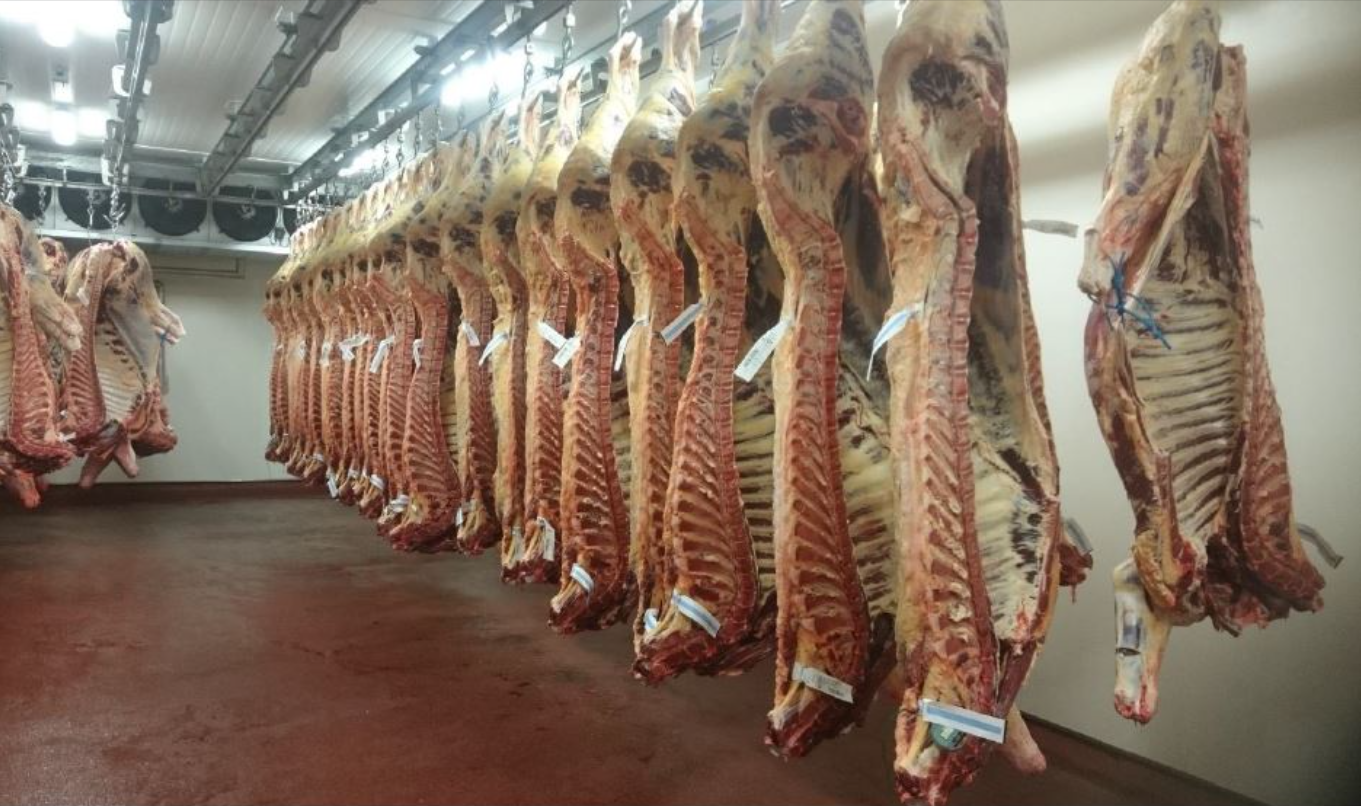
National weekly beef kill numbers declined in the week ending Sunday, March 15, but delays in booking-in cattle are continuing.
Farmers, factory agents and factory cattle procurement bosses have all told Agriland delays of "up to three weeks" are being seen in getting factory fit cattle booked in for slaughter.
This is despite weekly beef kill numbers continuing over 5,000 cattle/week below the corresponding weeks of last year.
Procurement staff are continuing to cite reduced demand for beef as the cause of the price drops and have not ruled out further price reductions.
However, most remain hopeful demand for beef will lift again in the near future.
The table below details weekly beef kill numbers in the week ending Sunday, March 15, versus the same week of last year and the cumulative beef kill-to-date this year versus the same week of last year:
| Animal Type | Week ending Sun, March 15 | Equivalent Last Year | Cumulative 2026 | Cumulative 2025 |
|---|---|---|---|---|
| Young Bulls | 2,247 | 2,074 | 31,276 | 31,345 |
| Bulls | 503 | 680 | 3,902 | 4,514 |
| Steers | 12,052 | 14,214 | 118,346 | 139,561 |
| Cows | 6,956 | 8,604 | 71,704 | 92,083 |
| Heifers | 10,210 | 11,709 | 110,259 | 130,573 |
| Total | 31,968 | 37,281 | 335,487 | 398,076 |
As can be seen in the above table, the total beef kill last week (excluding veal) was just under 32,000 head.
Last week's beef kill was over 5,300 head below the same week of last year.
The total beef kill-to-date this year is now over 62,500 head below the same time last year.
The graph below shows how weekly beef kill numbers have been trending below last year:

Last year saw strong factory cattle supply numbers in the first half of the year while supplies dropped off more significantly in the second half of the year.
This time last year, cattle prices were seeing significant price uplifts on a weekly basis, a stark contrast to the current cattle trade, which is seeing prices being cut for consecutive weeks.
There remains some level of optimism that the supply-demand scenario will turn more favourable to farmers selling cattle into April and May, but it remains to be seen if this will materialise.
The reality is that many of the higher-priced cattle bought for winter finishing last October/November will be doing well to cover their costs let alone leave a margin.
With the arrival of more settled weather conditions expected to push on the trade for grass cattle, it will be interesting to see the level of confidence these customers will have when going out to buy.