Beef Kill: 2026 factory supply near 63,000 cattle below last year

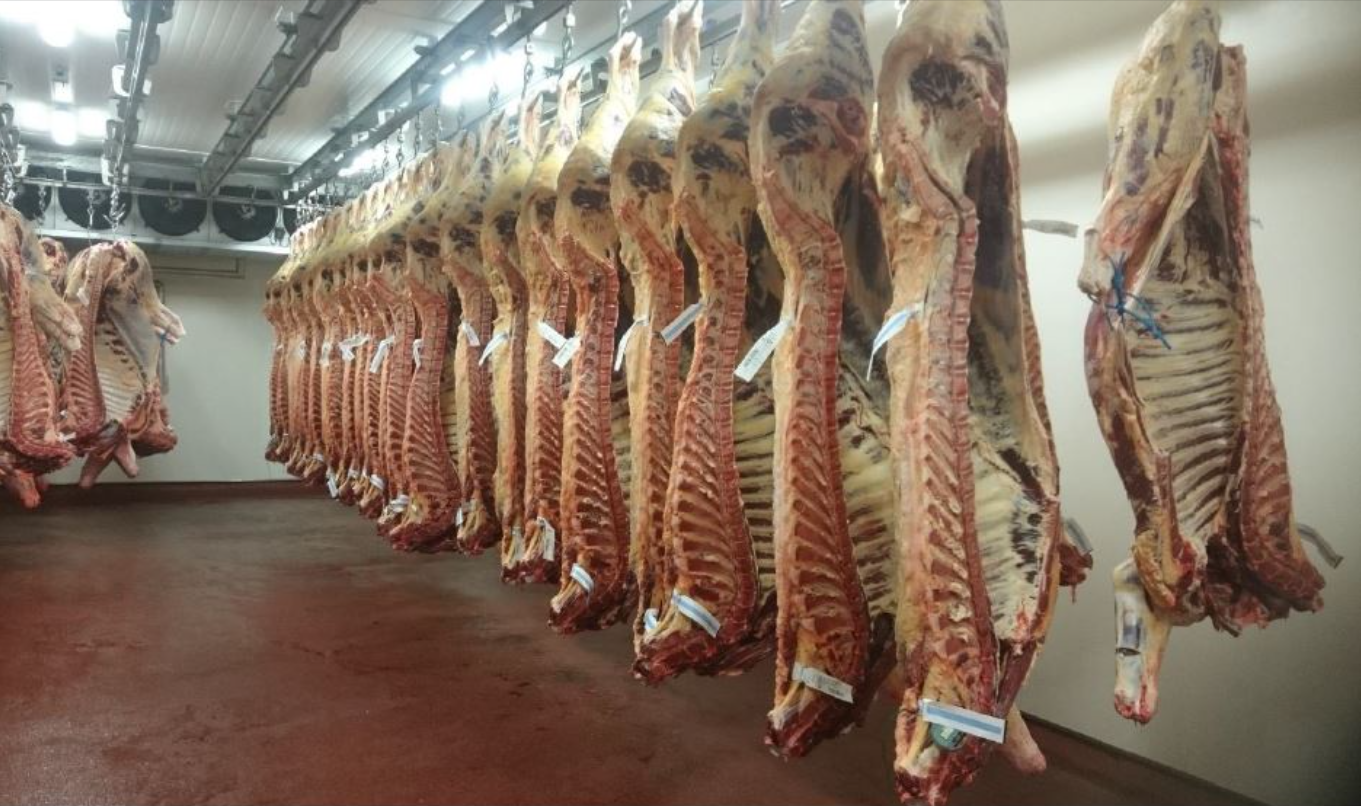
The total beef kill-to-date this year is almost 63,000 head (excluding veal) below last year, according to latest figures from the Department of Agriculture, Food and the Marine (DAFM).
A total of 366,400 head of cattle have been slaughtered at DAFM-approved factories to date this year as of Sunday, March 22.
The 2026 beef kill is almost 63,000 (62,942) head of cattle below the same period last year, when just over 429,000 head of cattle had been slaughtered.
The table below details weekly beef kill numbers in the week ending Sunday, March 22, versus the same week of last year and the cumulative beef kill-to-date this year versus the same week of last year:
| Animal Type | Week ending March 22 | Equivalent Last Year | Cumulative 2026 | Cumulative 2025 |
|---|---|---|---|---|
| Young Bulls | 1,913 | 1,662 | 33,219 | 33,007 |
| Bulls | 471 | 599 | 4,389 | 5,113 |
| Steers | 12,627 | 11,582 | 130,938 | 151,143 |
| Cows | 6,189 | 7,019 | 77,855 | 99,102 |
| Heifers | 9,717 | 10,407 | 120,002 | 140,980 |
| Total | 30,917 | 31,269 | 366,403 | 429,345 |
In the past several weeks, there have been cases of backlogs with some factory outlets' kill sheets.
Some farmers have seen delays of up to three weeks in getting cattle booked in for slaughter. These backlogs seem to now be alleviating.
Base prices for cattle have fallen by approximately 40c/kg in the past four weeks.
Beef price has fallen by 10c/kg every week since the Irish Farmers' Association (IFA) protest outside the Bord Bia offices ended on Monday, March 2.
As of Saturday, March 14, the average Irish 'R3' steer price was €6.92/kg, a total of 44c/kg below the average UK steer price of €7.36.
The average EU prime male cattle price is €7.28/kg - a total of 36c/kg above the Irish price.
The graph below shows how weekly beef kill numbers have been trending below last year:

There remains some level of optimism amongst those in the trade that beef prices will soon 'steady' and may even recover to some degree if supplies ease and demand strengthens, but it remains to be seen if this will materialise.
The fall in beef prices has been seen in the prices being paid for most types of store cattle, with cattle buyers evidently more "price sensitive" when purchasing.