Advantage Beef Programme
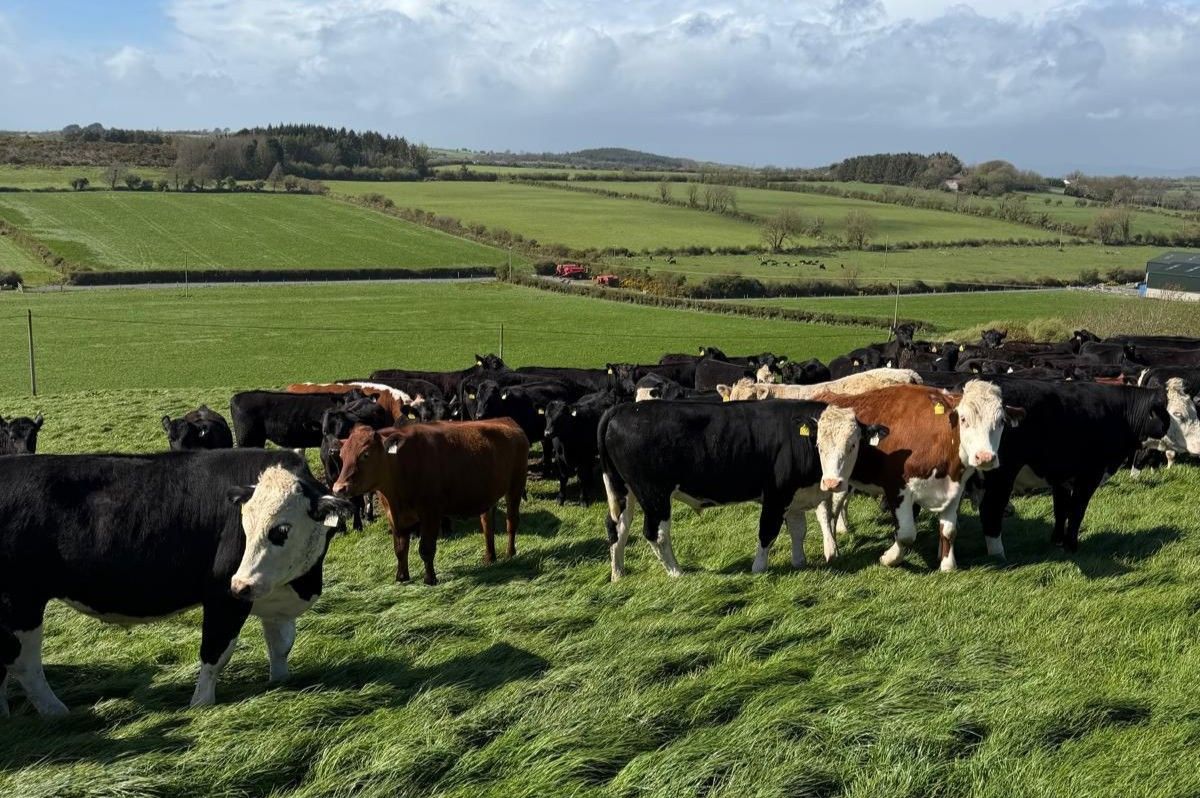
The farm is a new addition to the ABP Monitor Farm series and is also relatively new to the calf-rearing business.
Before switching to dairy-calf-to-beef in 2021, the farm was purchasing continental yearlings and taking them to beef.
The decision was taken to switch to buying calves to rear through to beef due to the cost of those top-end yearlings being deemed too high.
ABP representative Aideen Bates noted: "The farm had managed the switch in systems extremely well.
"The farm has achieved excellent carcass weights in young dairy-beef animals and is a great example of how keeping a simple system really pays dividends."
Power said that the switch over from yearlings to rearing calves was "relatively smooth" with the only big investment being the automatic calf feeder.
He said: "It has still been a learning curve to date, with carcass weights averaging in the low 300s for the first year or two in the calf-to-beef system."
This year, the Angus cattle slaughtered on the farm averaged 360kg carcass-weight at 22 months-of-age.
The Friesian bullocks averaged 350kg at 23.5 months-of-age and carcass weights have steadily been increasing year-on-year.
The finishing cattle were fed a TMR of:
- High quality (74% DMD) silage;
- 0.5kg of straw;
- 6.5kg of a maize nut.
The finishing cattle were gradually built up to 6.5kg concentrates/head/day over a number of weeks.
The finishing period averaged just under 100 days on the farm this year, with the Friesian bullocks bringing that average finishing period up.
Every spring, Paul sources 70 good-quality Angus calves from local dairy farmers.
They are reared on an automatic calf milk feeder.
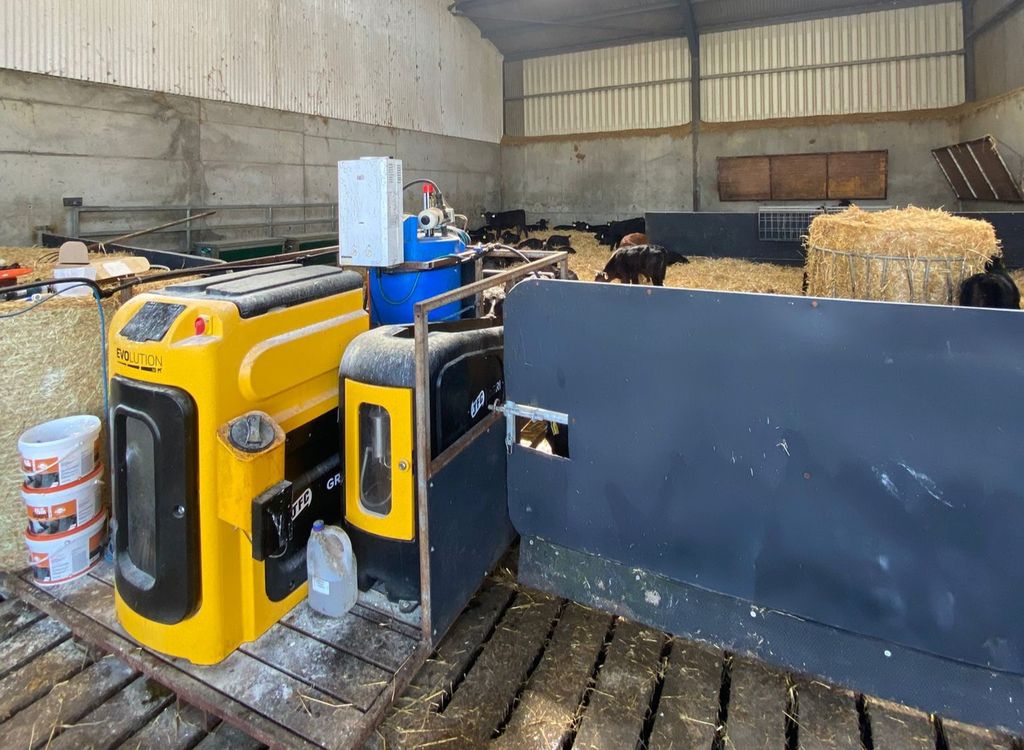
On average, two bags of milk powder/calf is used during the milk feeding phase.
The calves are then housed for a month after weaning and are on ad-lib concentrates and straw until they then go out to grass.
This year, Paul has bought no Friesian bull calves. His data is showing that the Angus cattle are performing better within his system.
These calves are bought in at roughly two weeks-of-age and spend 75 days on the automatic calf milk feeder.
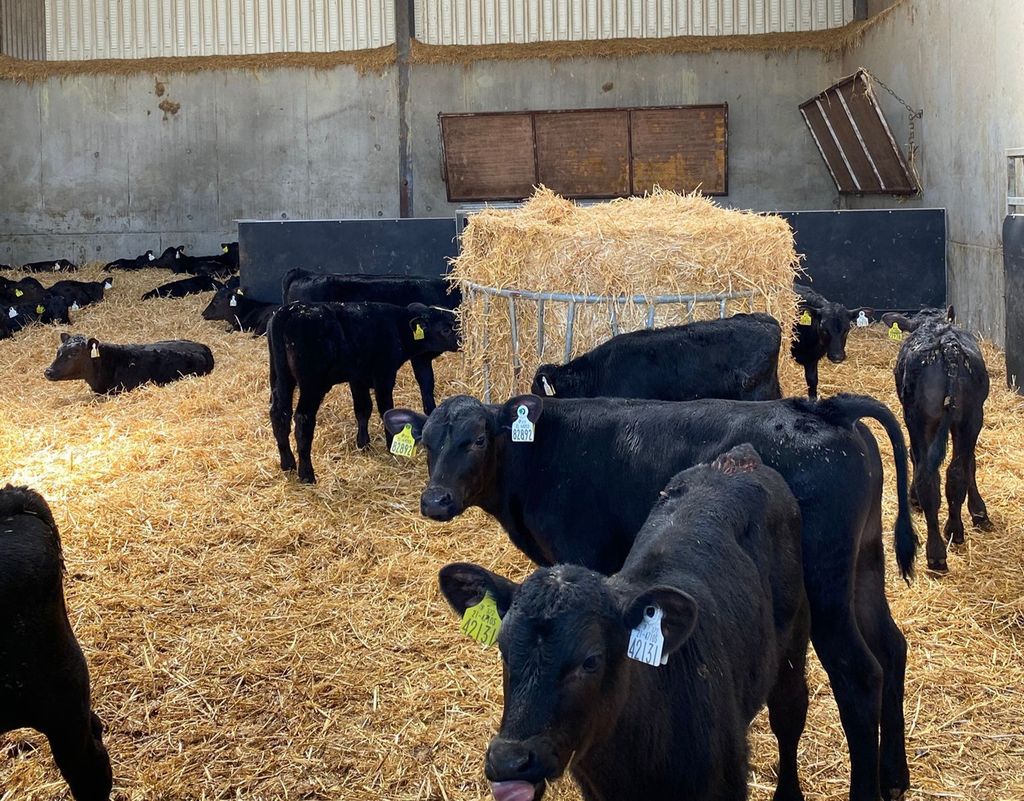
Calves all receive two shots of Bovipast administered four weeks apart. Their booster shot is administered before housing the following autumn.
All calves are treated for coccidiosis in the shed, as Power lost calves in previous years due to the disease so this is an essential treatment on the farm.
His yearling cattle were let out to grass in the first week of April.
They averaged 380kg liveweight at turnout. These cattle are well on target to be finished out of the shed before Christmas and into January.
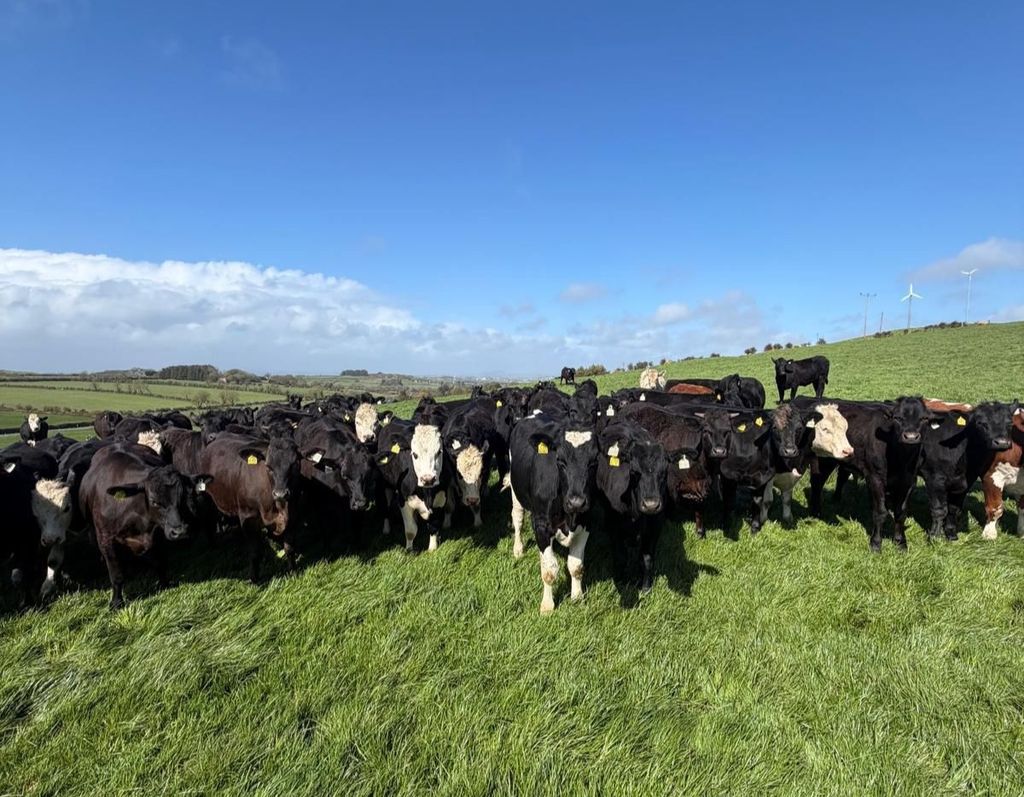
Power has noticed that feeding cattle slightly extra concentrate feed in the first winter pays off massively in performance and hitting target weights for the following year.
All of his cattle are qualifying for the Advantage Beef Programme's 20c/kg Sustainability Bonus, and Power said that the scheme is structured in a way that works for his particular system.