‘Banks have to show that they understand farming’ - ICMSA

The ‘pillar’ banks have been urged to support farmers with fairer and more realistic interest rates and loan flexibilities this year by the Irish Creamery Milk Suppliers' Association (ICMSA).
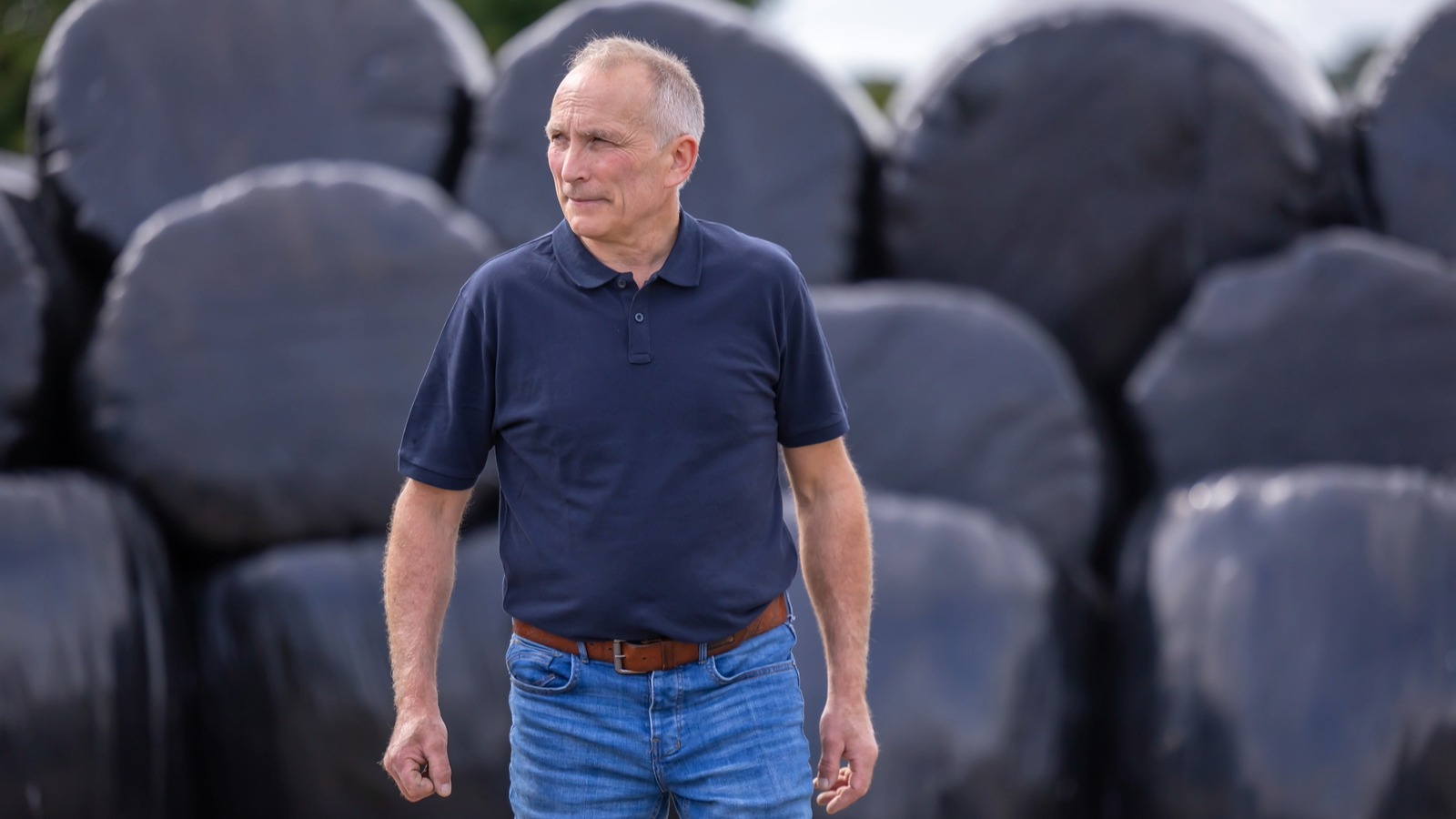
According to Pat O’Brien, chair of ICMSA’s Farm Business Committee, the current farming environment is “obviously” challenging.
Following a meeting between the Strategic Banking Corporation of Ireland (SBCI) and ICMSA, O’Brien said banks regularly point to their positive risk appetite for agriculture - reflecting the low level of loan defaults in the sector.
But he added while that is "lovely to hear" the recognition by banks of that lower risk rate and appetite for farm business "is certainly not reflected in the interest rates they apply to farm loans and finance".
O’Brien said banks should instead provide farmers including young farmers with structured loan products at lower interest rates.
He believes banks should also offer a facility to restructure loans without consequence or penalties that would help young farmers to keep going through difficult periods and provide a realistic chance of establishing viable farm businesses.
ICMSA
According to the chair of ICMSA’s Farm Business Committee current lending practices are placing excessive pressure on farm families.
“At the moment and in terms of interest and fees the banks would take the milk out of your tea and come back for the sugar.
“That has to stop. We need low-interest loan products, particularly over the next two years, to support farmers and to encourage the next generation into farming.
"We need the kind of lending and feasible financing options that allow farmers to invest in measures such as slurry storage," he added.
Margins
O’Brien said when margins are already tight and farmers are frequently operating below the cost of production, a half-percent difference in interest rates can mean everything.
“An unsecured loan rate of 5% over seven years might look manageable on paper, but in reality, it places enormous strain on farm businesses.
“Banks have to show that they understand farming and with all respect, we don’t need fine phrases about how low farmer bad debts are; we need low interest rates and more flexibility on terms and conditions,” he said.