Are agri-environment schemes impacting farmers' mental health?

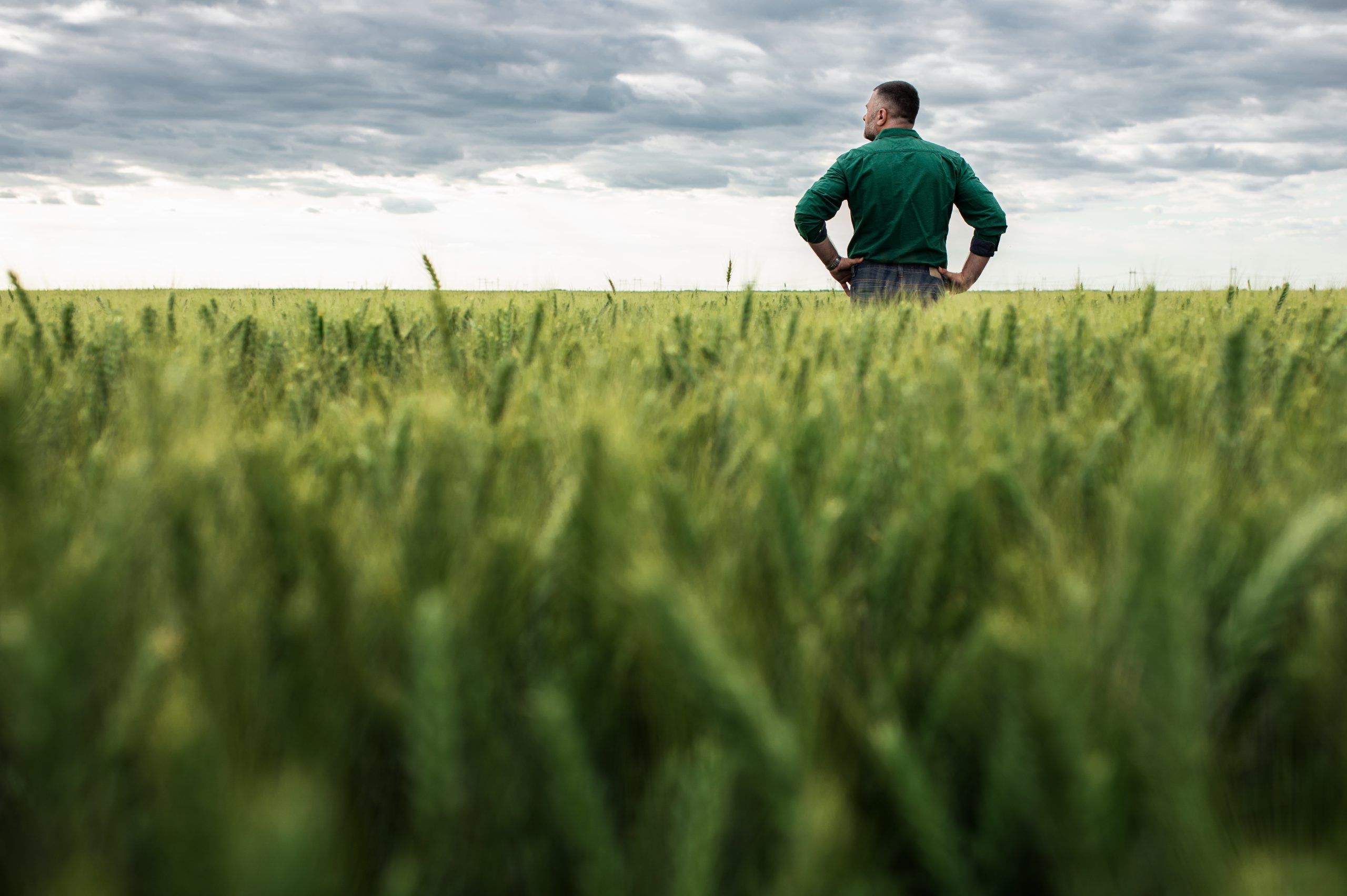
The impact of agri-environment schemes (AESs) on the mental health of farmers has been assessed in a new study by Trinity College Dublin researchers.
According to the researchers, the wellbeing impacts of the AESs can be positive or negative, depending on how the schemes are designed and delivered.
AESs are a well-known part of modern farming and typically focus on environmental results such as biodiversity and climate action.
This new study highlights that mental health remains a largely forgotten part in how these schemes are evaluated and shaped in policy, and underlines why that must change.
Dr. Patrick Morrissey, Martin Naughton Assistant Professor in Trinity’s School of Engineering said: “Agri-environment schemes are not just technical or environmental tools; they are human systems that farmers live with every day.
“Our findings suggest that the way schemes are structured can influence stress levels, confidence, and feelings of connection or isolation among farmers.”
Reconnection with nature for wellbeing
The study found that are many farmers involved in AESs that experience mental health benefits by reconnecting with nature.
Advisers interviewed as part of the study described farmers taking pride in visible environmental improvements on their land, such as increased biodiversity or healthier landscapes.
According to the research, one adviser observed that environmental work helped farmers feel more valued and motivated.
Others noted that spending time on habitat-focused tasks brought farmers a sense of calm and achievement that contrasted with the usual pressure of farming.
Isolation
The study found that isolation and social disconnection remains a persistent issue for farmers.
Advisers have consistently reported that many farmers work alone, fell disconnected from peers, and lack spaces to talk openly about pressures they face, the findings showed.
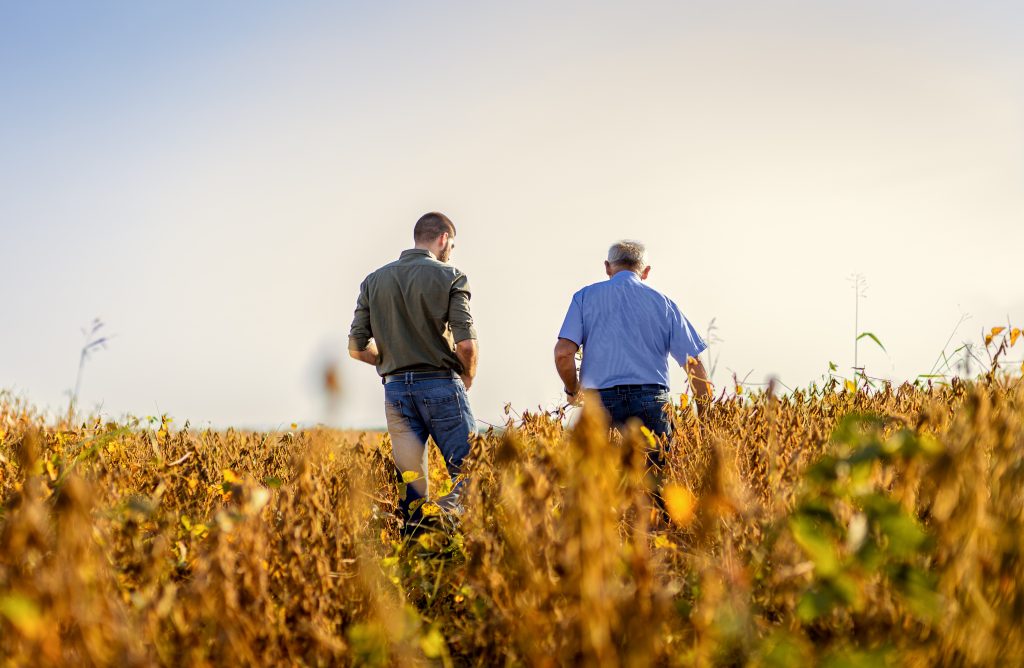
From this research, peer discussion groups stood out as one of the most effective ways AESs can deliver mental health benefits.
The research showed that schemes that included regular group meetings, revealed farmers were more likely to feel supported, confident, and less isolated.
Dr. Morrissey said: “Discussion groups give farmers a chance to share experiences, learn from each other, and realise they’re not facing challenges alone."
Mental health
The authors of the research state that mental health should be treated as a core outcome of AESs, along with environmental and economic goals.
According to the authors, wellbeing impacts are rarely measured or formally considered, despite growing concern around farmer stress and mental health.
Dr Morrissey has said: “Mental health is one of the three pillars of sustainability, yet it’s largely absent from how agri-environment schemes are assessed.
"That’s a major gap, especially given the pressures farmers are under."
Dr Morrissey went on to say that as agriculture faces climate, economic and policy pressures, supporting farmer mental health is not optional.
"If we want schemes to succeed, they need to work for the people farming the land as much as for the land itself," he said.