Annual hedge cutting ban now in place until September

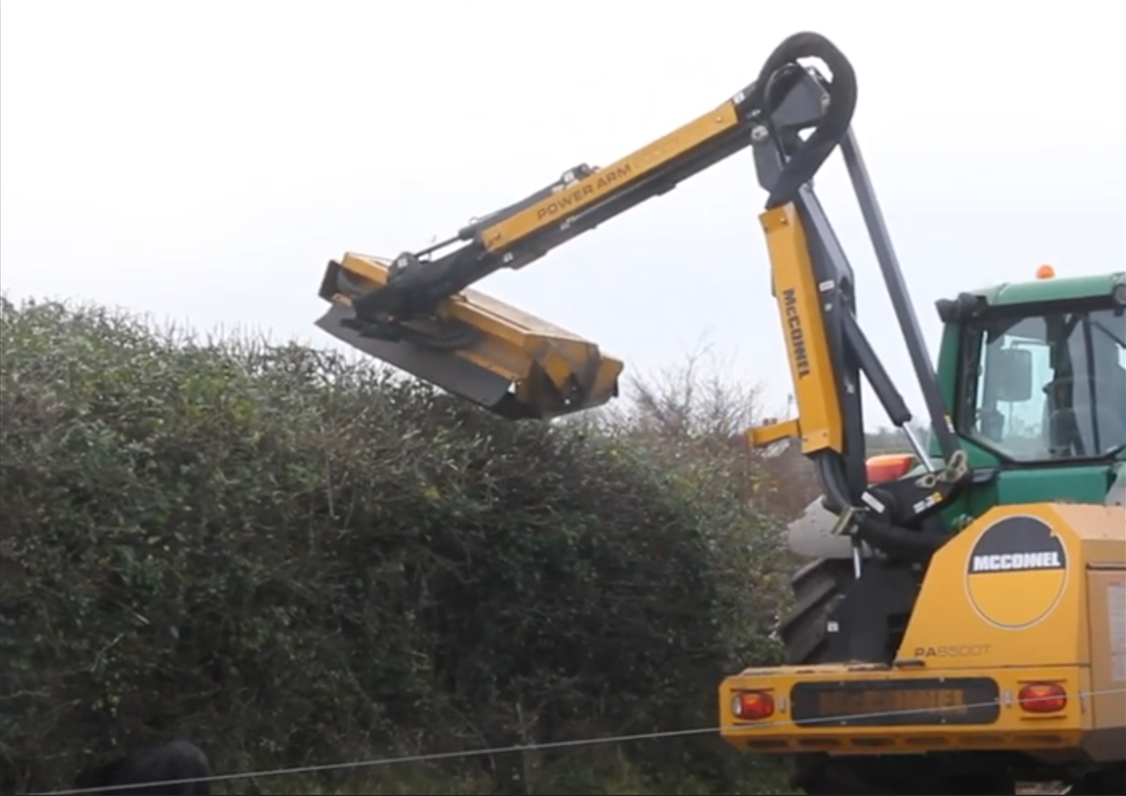
Farmers and members of the public are being reminded that the closed period for hedge cutting comes into force from today (Sunday, March 1).
Under the Wildlife Act 1976, the cutting, grubbing, burning or other destruction of vegetation growing in any hedge or ditch between March 1 and August 31 is prohibited.
While hedge-cutting is banned from March 1, there are some limited exceptions, including where a feature of a hedge could be deemed hazardous for people using a public road.
Hedge cutting
The reason for the absence of hedge cutting during this period of the year is to allow birds to nest safely and without disturbance.
According to Teagasc, of the 110 species regularly recorded in the Countryside Bird Survey in Ireland during the breeding season, 55 use hedges.
Of these, 35 bird species nest in hedges that provide enough cover from predators - both overhead and on the ground.

Hedgerows are exceptionally important for biodiversity and provide food and shelter for pollinators, mammals and other animals, most notably birds. They also act as corridors that connect habitats.
Birdwatch Ireland previously issued a reminder that the annual ban on hedge-cutting "applies to private gardens as much as it does to farms and the wider countryside".
"While some green-fingered folk may argue that, with a steady hand, they can leave a nest unshaken, the sheer act of getting that close to the hedge and nests within it could be enough for the adult birds to abandon it," the organisation said.
Burning
The Wildlife Act also prohibits the burning of vegetation during the nesting season.
This is aimed at protecting our ground-nesting bird species in upland habitats, many of which have seen their populations plummet in recent decades.
This includes species such as curlew, lapwing, skylark, meadow pipit, and hen harrier.
Alleged breaches of the wildlife legislation can be subject to prosecution by gardaí and the National Parks and Wildlife Service (NPWS).