Achill Island farmer meeting slams 'dysfunctional' ACRES

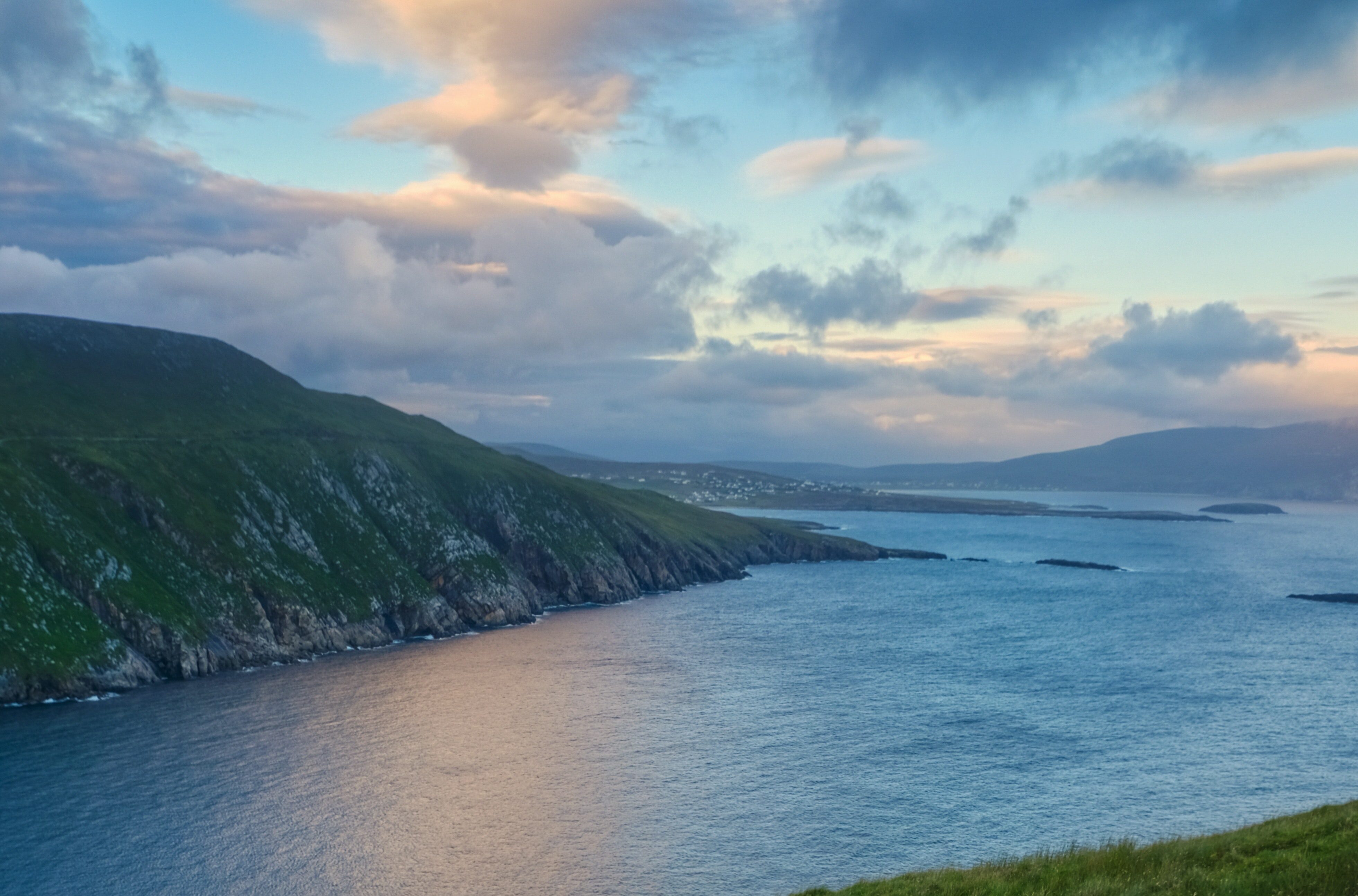
A meeting of farmers on Achill Island has discussed the "deeply concerning" impact of the Agri Climate Rural Environment Scheme (ACRES), which has been slammed as "dysfunctional".
A public meeting of Achill farmers was attended by senior representatives from the Irish Farmers' Association (IFA) to address the impact of the scheme on farming and rural life in the Achill parish.
The IFA delegation included Shane Whelan and Rachel Moloney, who are both policy executives on the IFA's rural development and hill farming committees; former IFA national livestock chair and Co. Mayo man Brendan Golden; and IFA hill farming committee chairperson James Gallagher.
Achill IFA, which organised the meeting, said that the presence of the IFA delegation "reflected the seriousness of the situation facing Achill farmers and the growing recognition at national level of the unique structural farming challenges in the parish".
Achill IFA said that the purpose of the meeting was to examine what they claimed were "dysfunctional effects" of the ACRES scheme, including habitat scoring, commonage assessments, peatland designations, and landscape actions.
The farmers concerned said that these factors are "having a profound and damaging impact" on farm families and the wider community on the island.
The meeting heard from farmers who spoke about their direct experience with the scheme, with many saying that ACRES scoring has "dramatically reduced expected payments, undermined farm viability, and created financial uncertainty".
The meeting heard particular concern over the scoring of peatland commonage areas, historic turbary rights, ACRES landscape actions, and the "disproportionate impact" of the scheme on Achill's "uniquely small fragmented landholding structure".
Farmers also drew attention to "wider social and economic consequences", including loss of income for themselves and the local economy; reduced confidence in future schemes; and the growing concern about long-term sustainability of farming on Achill.
Achill IFA said that the delegation "listened carefully" to the testimonies and engaged with farmers' questions.
The IFA representatives "acknowledged the distinct nature of Achill farming and the severity of the issues raised," Achill IFA said.
The organisers said that the meeting concluded with the IFA delegation saying that Achill will now receive "focused attention", and that a local operational working group will be supported in developing policy recommendations to address the structural inequities identified.
Achill IFA said it welcomed the constructive engagement and the commitment given by the national representatives.
"Work has already begun locally. Co-operation with IFA representatives and policy advisors will continue to develop detailed proposals aimed at protecting the future viability of farming and rural life in the Achill parish," Achill IFA said.