3 flocks identified as salmonella positive last year, down 75% from 2024

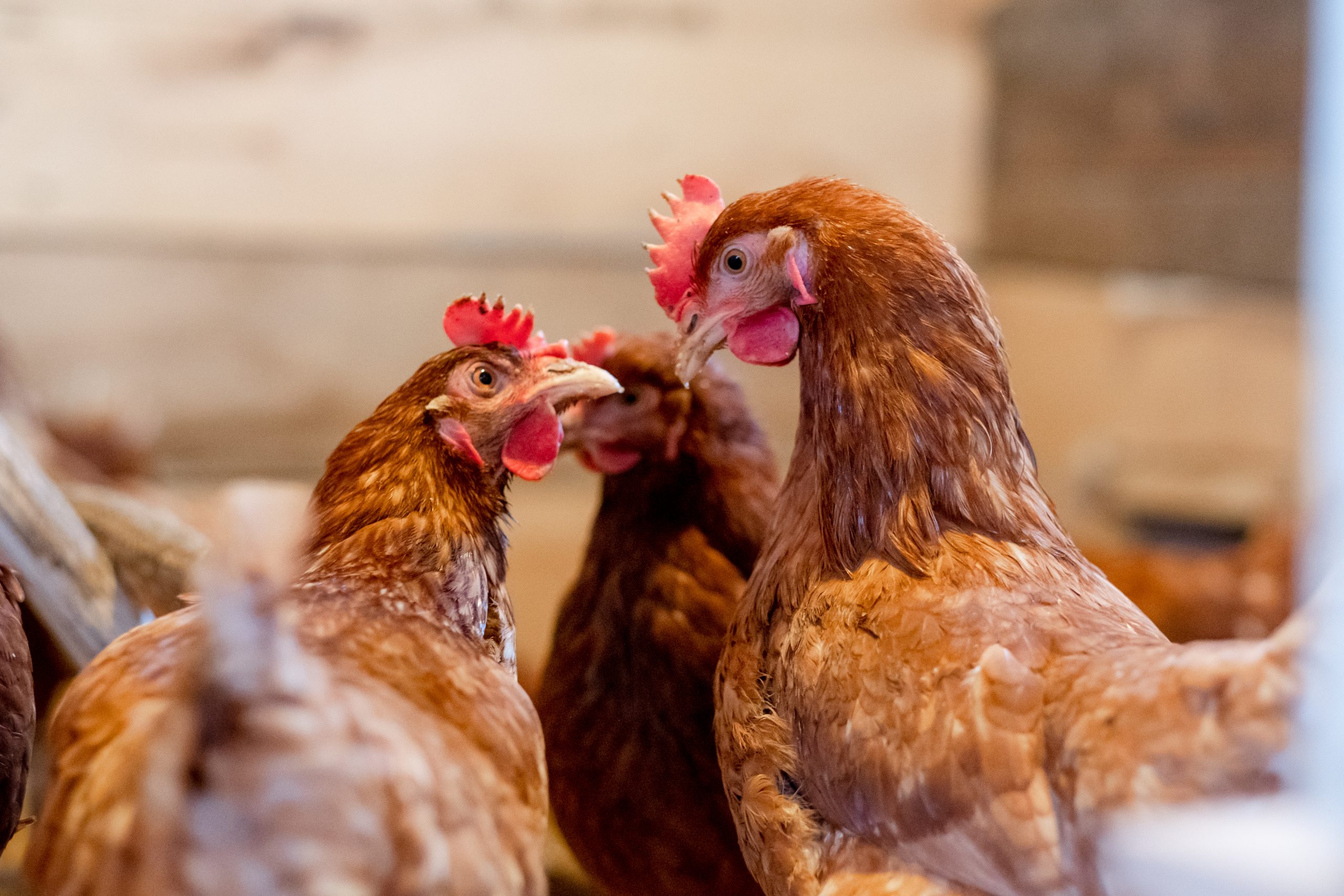
In 2025, three flocks were identified as positive for salmonella, the Department of Agriculture, Food and the Marine (DAFM) has said.
This is a 75% decrease on 2024, when 12 poultry flocks were identified as positive for it.
A DAFM spokesperson told Agriland that the European Food Safety Authority's annual Zoonoses Report details the number of poultry flocks positive for all serovars of salmonella across EU member states.
Targets
The European Commission sets an annual target of a maximum limit of 1% of poultry flocks detected as positive for salmonella for all member states.
The department said that Ireland was within this target in both 2024 and 2025.
"There have been no detections of salmonella in Irish poultry flocks to date in 2026," the DAFM spokesperson said.
"Ireland's levels of detections are below the EU average."
The department said that in the context of animal health, there is "no threat" to poultry health associated with these detections, "as the specific serovars are not associated with clinical disease in poultry".
"The detection of the salmonella serovars that cause human food-borne illness (i.e. typhimurium and enteriditis) are a public health, rather than animal health, concern," the department said.
"The consequences for broiler breeder, table egg layer, and turkey breeder flocks in which these salmonella serovars are detected include compulsory depopulation."
Salmonella in pigs
In 2024, there were 290 pig herds positive for salmonella, the department said.
In 2025, this dropped to 260. There is no data available yet for 2026.
The spokesperson explained: "These figures appear high in comparison to the poultry figures but the two are not directly comparable.
"The porcine figures are based primarily on serology results, which indicate exposure of the animal to salmonella at some previous point in time, rather than specifically providing evidence of current positivity which salmonella microbiological culture demonstrates.
"Salmonella serology data is collected monthly from pigs at slaughter and more than 50% of the farms assessed are recorded as negative each month."
The department added that there is no EU control plan for salmonella in pigs, and each member state takes steps to control it in their own herds.
Outbreak prevention
Minister for Agriculture, Food and the Marine, Martin Heydon said he is "aware of the significant contribution that poultry and pig producers make to the agri-food sector".
"My department provides targeted supports to both of these sectors to assist in the prevention of disease outbreaks attributable to salmonella which have been successful in reducing both the frequency and impacts of same," he said.
"The primary focus of my department is on disease outbreak prevention which is achieved through a number of initiatives.
"These include the National Salmonella Control Programme for Poultry, a funded programme based on official sampling of flocks for salmonella in addition to sampling performed by the flock owner."