Almost 1.25 million animals genotyped in 2025


Just under 1.25 million animals were genotyped in 2025, according to the Irish Cattle Breeding Federation (ICBF).
ICBF have stated that this is the most animals ever genotyped in Ireland in a single year.
Out of the 1,249,688 animals which were genotyped, 471,839 were dairy-sired while 777,849 were beef-sired.

ICBF stated that most of the genotypes from 2025 were recorded through the National Genotyping Programme.
With this figure, the total number of genotyped animals in the ICBF database has risen to just over 6.3 million animals.
Genotyping in spring 2026
With the influx of new animals being registered under the programme, ICBF are advising farmers how to prepare for genotyping ahead of the spring calving season.
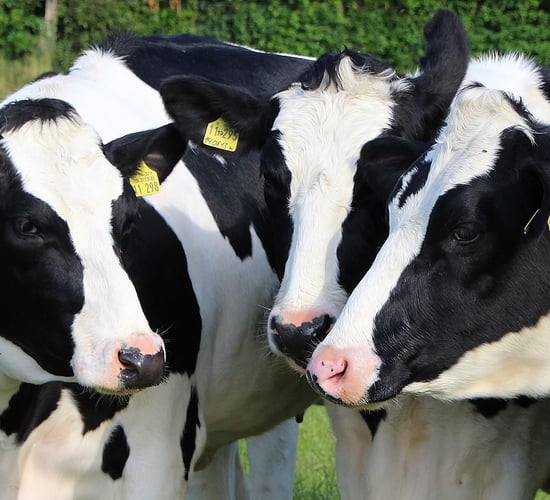
The first task farmers should be doing is ordering double tissue tags ahead of the calving season from registered suppliers, including: Agritags; Cormac Tagging; Datamars; or Mullinahone co-op.
Farmers who have single tissue tags bought or left over from last year's calving season can order corresponding button tags to genotype these calves at birth.
Farmers who are new to the programme can also order these button tags to genotype cows and heifers who are already tagged.
Once the order for your tags is in, ICBF will require an advance payment of €4/calf to process your genotype sample, which will be paid through a direct debit.
Once the calf is born, it should be tagged/genotyped straight away, as well as taking a BVD sample.
These two samples are sent to different laboratories, so make sure not to mix them up.
Ideally, you should be posting the DNA samples you have collected while tagging to the lab at least twice per week, especially during peak calving.
Button tags can also be ordered for calves who have had their sample lost or damaged, as well as for calves whose results come back from the lab as inconclusive.
According to ICBF, calves that die before registration should still be tagged and have a DNA sample extracted and analysed before being sent to the knackery.